
Zijingguan Pass Great Wall Guide: Yixian Gate, Valley Setting and Respectful Visits
Zijingguan Pass is one of the Great Wall places where geography explains the history. It sits in Yixian, north-west of Baoding, at a mountain passage connected with the route between the North China Plain and the Taihang Mountains. Travelers who arrive expecting a polished, continuous wall walk can miss the point. The reward here is the relationship between gate, valley, slopes, and the strategic route through them.
Official Hebei heritage sources describe Zijingguan as one of the Inner Three Passes, together with Juyongguan and Daomaguan, and as one of China’s nine famous passes. It is a national key cultural-relic protection site, with the protected Great Wall section dated to the Ming period. Those labels are useful orientation, but the site deserves a slower reading than a list of superlatives: look for how the pass controls a narrow approach and how the surrounding terrain does much of the defensive work.
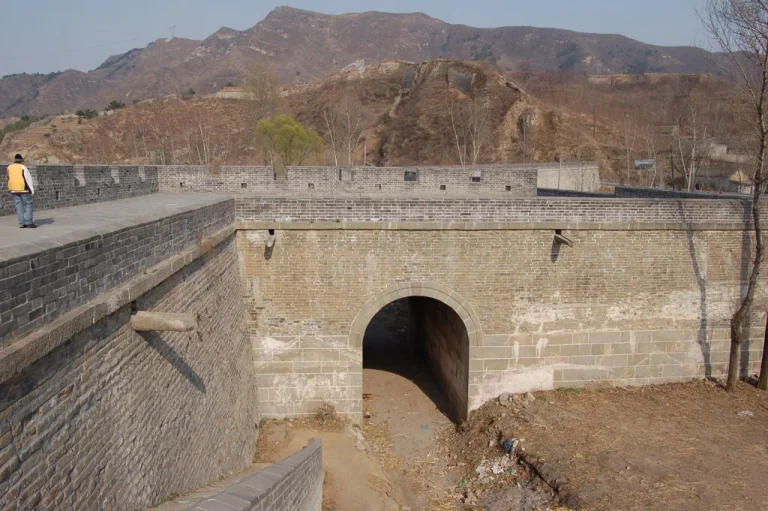
Why Zijingguan is different from a typical Great Wall hike
Zijingguan is a pass complex, not a single ridge-top panorama. The Yixian government places it on the seventh of the Taihang Eight Routes, historically called Puyin Route, and identifies it as an important approach through the mountains. The practical visitor question is therefore not “How many towers can I climb?” but “How does this gate fit the valley and the route beyond it?” Start at the visible gate and walls, then use the landscape to understand why a fortified passage was built here.
This is also why Zijingguan should not be marketed as a substitute for the restored visitor routes at Jinshanling or the highly developed circuit at Shanhaiguan. The experience is more fragmentary and more dependent on current heritage management. Some features may be seen from roads, designated viewpoints, or the settlement around the pass; other sections can be protected, unstable, under repair, or simply not open for public walking.
Plan access around protection, not old hiking posts
In 2024, the Hebei Provincial Cultural Relics Bureau reported field work at Zijingguan after heavy-rain damage and emphasized the need for ongoing protection and repair. That makes a simple rule especially important: do not rely on old route maps, unsourced social posts, or photos that show people on unguarded sections. Before setting out, confirm the current official visitor arrangement, exact access point, parking or local transport options, weather restrictions, and any closed areas.
At the site, remain on marked public paths and behind barriers. Do not climb loose masonry, enter unmarked slopes, or use drone equipment without explicit permission. The most useful photographs usually come from a patient ground-level view of the gateway, wall alignment, and mountain backdrop. A respectful visit protects both the structure and your own safety.
Heritage protection can make a place look quieter than a major tourist landmark, but that is not a sign that rules are optional. A newly repaired wall face, temporary fence, drainage work, or a small change in the approach route may be part of essential conservation. Treat site staff and posted notices as the final authority. If a view is not accessible from a public route, leave it for another visit rather than treating an archaeological structure as a hiking obstacle.
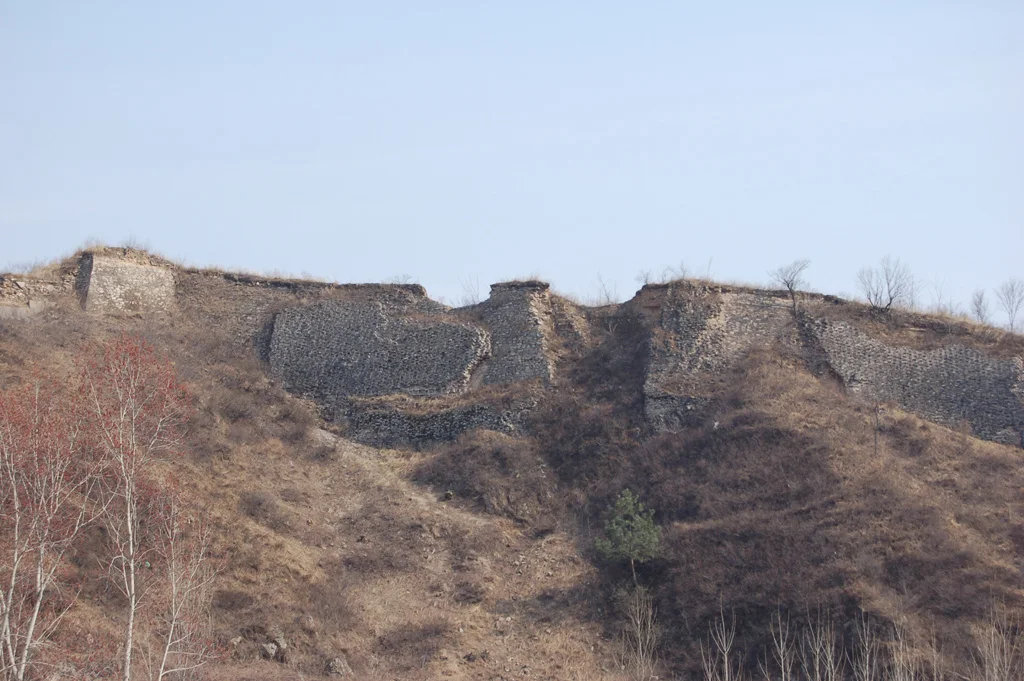
How to fit Zijingguan into a Yixian itinerary
Zijingguan works best as one focused heritage stop in Yixian, not as a rushed detour between distant attractions. If you are beginning in Beijing or central Baoding, use the Beijing to Baoding day-trip guide for the wider regional framework, then leave a generous time buffer for the final Yixian leg. Mountain roads, weather, and visitor arrangements can make the last part of the journey slower than a map suggests.
For a second day in the area, the Western Qing Tombs guide offers a very different heritage landscape: a planned imperial necropolis rather than a mountain pass. The Yishui Lake guide is a nature-focused alternative when boat service and weather permit. Keep these visits separate rather than attempting to force a gate, tomb complex, and lake crossing into one overfull day.
A short way to read the site
- Begin with the pass: identify the narrow approach, the gate, and the changes in elevation before looking for distant wall traces.
- Read the landscape: mountains, valleys, and routes are part of the defensive design, not merely a backdrop.
- Separate periods carefully: the protected Zijingguan Great Wall is listed as Ming, while the strategic passage has a longer history.
- Use signs and official notices: they are more reliable than a copied route description when access changes.
- Leave no trace: pack out waste and do not remove stones, plants, or fragments.
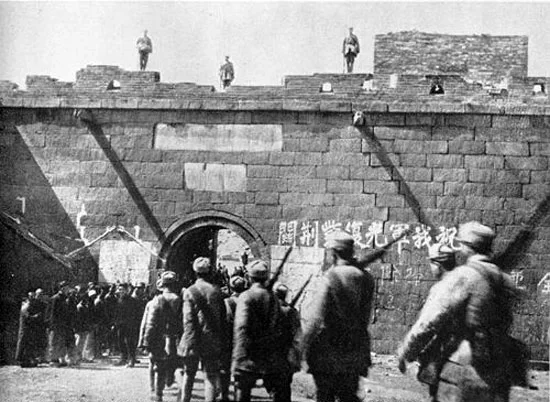
Historic photographs can be useful, but they need a caption and a date. The 1944 image in this guide records a real earlier moment at the gateway, not a present-day visitor route or a model for behavior at the site. Comparing it with current scenes helps explain why heritage guides should distinguish archival evidence from modern access information. That small discipline prevents an attractive old image from becoming an inaccurate travel instruction.
What to compare before choosing a Great Wall day
Choose Zijingguan when you want a historically strategic pass in the Taihang foothills and are prepared for a protection-led visit. Choose Jinshanling when a longer, clearly organized ridge walk is the priority. Choose Shanhaiguan and Laolongtou when you want a city-wall-and-coast combination. These are all Great Wall destinations, but they answer different travel questions; treating them as interchangeable usually leads to an itinerary that is less accurate and less enjoyable.
Official references and current checks
For basic status, location, and the Ming-period designation, see the Hebei Provincial Cultural Relics Bureau listing for Zijingguan. The Yixian government introduction to Zijingguan Great Wall provides useful route and historical context. Before travel, check the Hebei heritage update on protection work alongside the latest local visitor notice, because access and conservation arrangements can change.
Baishi Mountain Guide: Laiyuan Marble Peaks, Hiking Pace and Day-Trip Planning
Plan a thoughtful Baishi Mountain visit from Laiyuan with real trail scenes, marble-peak context, weather-aware pacing, practical preparation,…
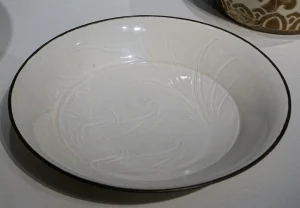
Ding Kiln Ruins Quyang Guide: Song White Porcelain, Archaeology and Museum Context
Plan a thoughtful Ding Kiln Ruins visit in Quyang: Song porcelain, the Jianzi archaeological landscape, protection-aware planning, and…
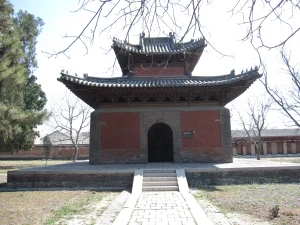
Beiyue Temple Quyang Guide: Northern Sacred Peak Rituals, Dening Hall and Stone Art
Plan a thoughtful Beiyue Temple visit in Quyang with ancient Northern Sacred Peak ritual context, Dening Hall, stone…
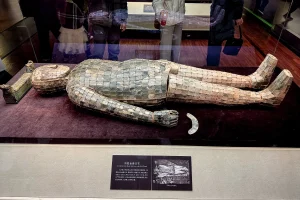
Mancheng Han Tombs Guide: Jade Burial Suits, Archaeology and a Thoughtful Baoding Visit
Understand the Mancheng Han Tombs near Baoding: the Lingshan archaeological site, the famous jade burial suits, museum context,…
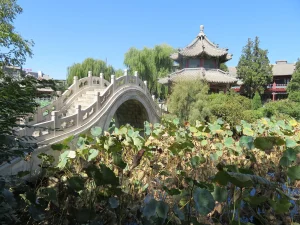
Ancient Lotus Pond Baoding Guide: Garden History, Lotus Season and Old City Tips
Plan Baoding Ancient Lotus Pond with garden history, lotus season timing, old city route ideas, transport notes, nearby…

Daci Pavilion Baoding Guide: Old City Landmark, Respectful Visits and Walking Route
Plan a Daci Pavilion stop in Baoding with old-city context, respectful visit advice, practical route links, and current-access…