
Jinshanling Great Wall Hiking Guide: Routes, Towers and Photo Timing
Jinshanling Great Wall is one of the strongest Hebei choices for travelers who want a real walk on the Wall without turning the day into a crowded photo stop. It sits in Luanping County, Chengde, close enough to Beijing for a long day trip, but the experience feels more open, mountainous and hiking-focused than many easier Beijing sections.
This guide is for travelers searching for a practical Jinshanling Great Wall hiking route: how much time to allow, what kind of route makes sense, when photos are better, and what to check before leaving Beijing or Chengde. For a broader transport-first day trip, also compare the related Luanping Jinshanling Great Wall day trip guide and the wider Hebei Great Wall guide.
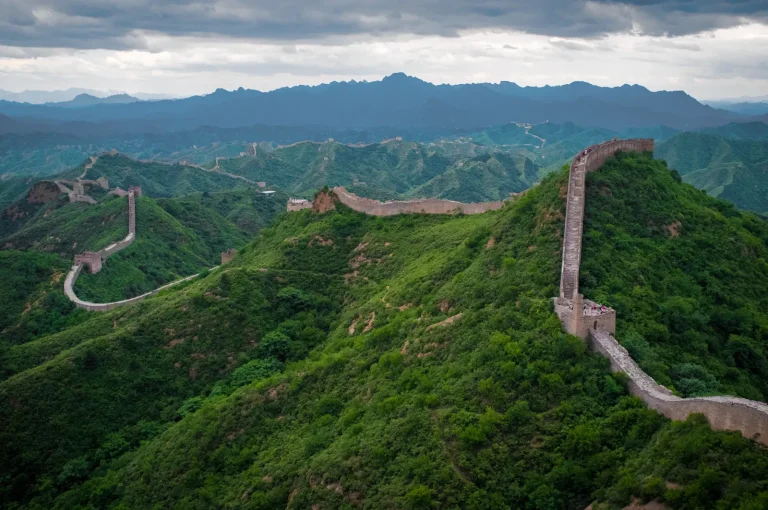
Why Jinshanling Works for Hiking
Jinshanling is not only a name on a Great Wall checklist. The value is the walking rhythm: towers, slopes, changing ridgelines, open mountain views and sections where the Wall feels less like a single monument and more like a long defensive landscape. Chengde government information describes Jinshanling as being in Bakshiying Town, Luanping County, with Ming-era origins and a dense sequence of passes, enemy towers and beacon towers. That density is why the route keeps changing visually as you walk.
For most first-time foreign visitors, the best plan is not to chase the longest possible distance. A focused 2.5 to 4 hour wall walk is usually more useful: enough time for tower views, photos and slow climbs, but still realistic if you are returning to Beijing the same day. Strong hikers can extend the route, but weather, closures and transport should decide the final plan.
Route Choice: Short, Balanced or Longer
A short visit works if you mainly want dramatic views and photos. Enter, climb to a strong viewpoint, walk through several towers, then turn back before fatigue or transport pressure becomes a problem. This is best for families, hot summer days, older travelers, or anyone combining Jinshanling with a Chengde or Luanping stay.
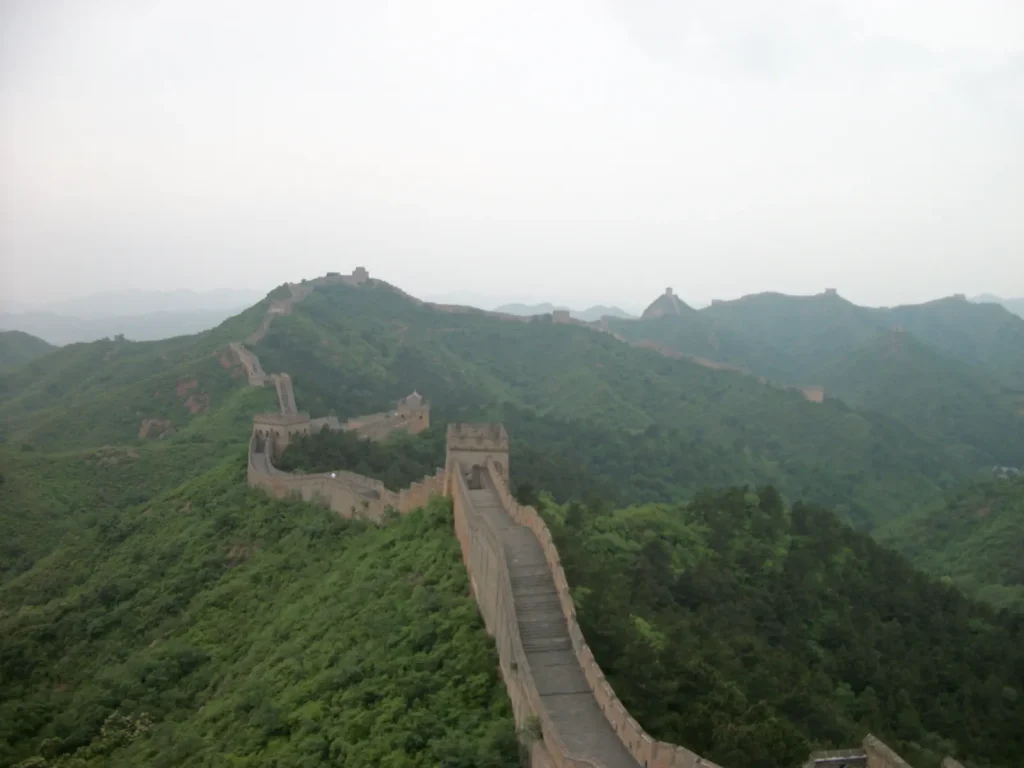
A balanced hiking route is the better default. Give yourself half a day at the scenic area, walk one direction across a meaningful stretch, stop at watchtowers for photos, and avoid rushing every staircase. This gives enough time to feel why Jinshanling is known for layered ridges and repeated tower silhouettes.
A longer hike is possible for fit travelers, but do not rely on old blog routes without checking current rules. Some older Jinshanling-to-neighboring-section routes may be affected by access control, restoration work, safety management or seasonal restrictions. Before committing to a long one-way hike, confirm the current scenic-area route, exit point and return transport with official channels or local staff.
Beijing or Chengde: Which Base Is Better?
Beijing is the common base because many international travelers start there. If you leave from Beijing, treat Jinshanling as a full-day trip. The driving distance is not the only issue; pickup time, traffic, entrance procedures, weather, hiking pace and the return journey all matter. A rushed afternoon departure from Beijing is usually a weak plan unless you are staying nearby overnight.
Chengde is a useful secondary base if your Hebei route already includes the Chengde Mountain Resort or the Outer Temples. It can make the northern Hebei itinerary feel more coherent: imperial summer palace, Tibetan-style temple architecture, then mountain Great Wall scenery.
If you plan rail plus local transfer, use 12306 China Railway for the current train search, then separately verify the local onward transfer. Do not assume a train station name alone means an easy final connection to the scenic entrance.
Best Time for Photos and Walking
Spring and autumn are the easiest seasons to recommend. Spring can bring blossoms and clearer hiking temperatures, while autumn often gives better visibility and color. Summer can be lush and dramatic, but heat, storms and slippery stone steps require more caution. Winter can be beautiful in clear weather, but wind, ice and shorter daylight make route planning stricter.
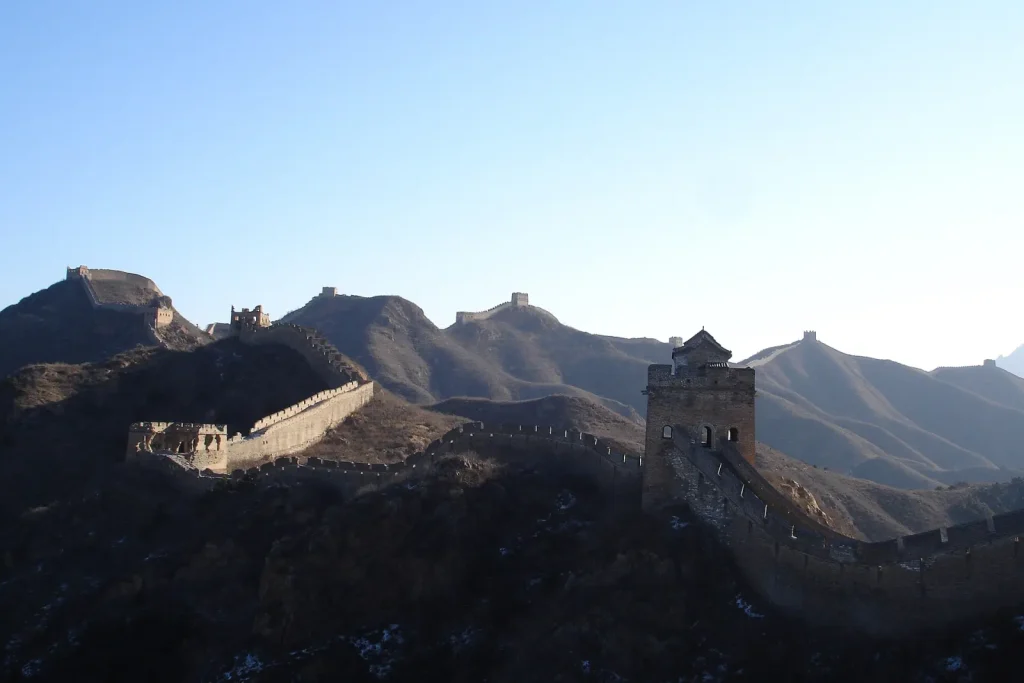
For photography, early and late light usually works better than harsh midday sun. The wall curves across ridges, so side light helps the towers and slopes separate from the mountains behind them. If you stay for late light, build the transport plan first. A good sunset photo is not worth missing the last practical return option.
What to Check Before You Go
- Current opening hours, ticket rules and any temporary route restrictions.
- Weather, wind and storm risk, especially in summer and winter.
- Whether cable car or shuttle services are operating on your date, if you plan to use them.
- Your exact exit point and return transport, not only the entrance plan.
- Comfortable shoes, water, sun protection and a light layer for exposed ridges.
Jinshanling is more forgiving than some wild Great Wall routes, but it is still a mountain walk on stone steps and exposed ridges. Travelers with knee problems should keep the route short. Families should avoid overplanning distance. Solo travelers should avoid pushing into quiet sections late in the day.
How to Fit Jinshanling into a Hebei Trip
If your main goal is the Great Wall, Jinshanling can stand alone as a serious day from Beijing. If your goal is a wider Hebei route, pair it with Chengde rather than forcing it into a coastal Qinhuangdao itinerary. Shanhaiguan and Laolongtou are excellent Great Wall places, but they answer a different travel purpose: pass history and the Wall meeting the sea. Jinshanling is stronger for ridgeline hiking and photography.
A clean route could be Beijing to Jinshanling, overnight near Chengde or Luanping, then Chengde Mountain Resort and Outer Temples. Another option is to keep Jinshanling as a high-quality single-day Great Wall hike and save Chengde for a separate two-day trip. The right choice depends on how much hiking you actually want, not how many famous names you can add to one itinerary.
References and Current Checks
Hebei Great Wall Guide: Shanhaiguan, Laolongtou and Coastal Wall Routes
Plan Hebei Great Wall travel around Shanhaiguan, Laolongtou, Qinhuangdao coast and Jinshanling route choices with transport and timing…
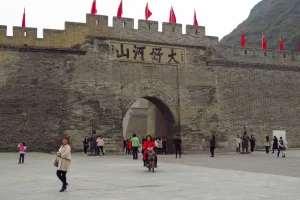
Zhangjiakou Travel Guide from Beijing: Dajingmen, Chongli and Great Wall Routes
Plan a Zhangjiakou trip from Beijing with Dajingmen, Chongli ski and summer routes, Great Wall context, train checks,…
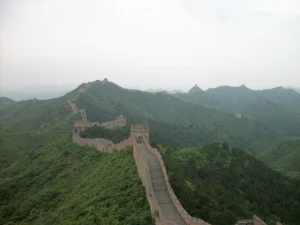
Luanping Jinshanling Great Wall Day Trip from Beijing or Chengde
Plan a Jinshanling Great Wall day trip in Luanping with hiking difficulty, transport from Beijing or Chengde, weather,…
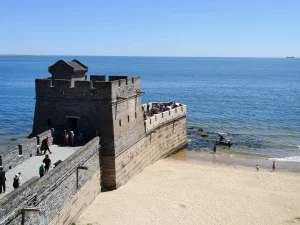
Shanhaiguan Day Trip: Laolongtou, First Pass and Old Town
Plan a focused Shanhaiguan day trip with Laolongtou, First Pass Under Heaven, old town walking, transport choices, seasonal…