
Ding Kiln Ruins Quyang Guide: Song White Porcelain, Archaeology and Museum Context
The Ding Kiln Ruins in Quyang are the place to understand why a pale, apparently simple bowl can carry so much history. This is not a showroom for souvenir porcelain. The protected archaeological landscape around Jianzi Village preserves the production context behind Ding ware, one of the most influential ceramic traditions of the Tang-to-Yuan period and a major name in the story of Song white porcelain.
A good visit begins with one important distinction. The ruins are in Quyang, where kilns, workshops, waste deposits, and other traces of production were investigated. Many of the finest complete Ding wares, however, are dispersed through museums in China and abroad. The real museum photographs in this guide show objects attributed to the Quyang Ding kilns, but they are not photographs taken at the archaeological park. Keeping site, object, and display location separate makes the history clearer and avoids misleading travel expectations.
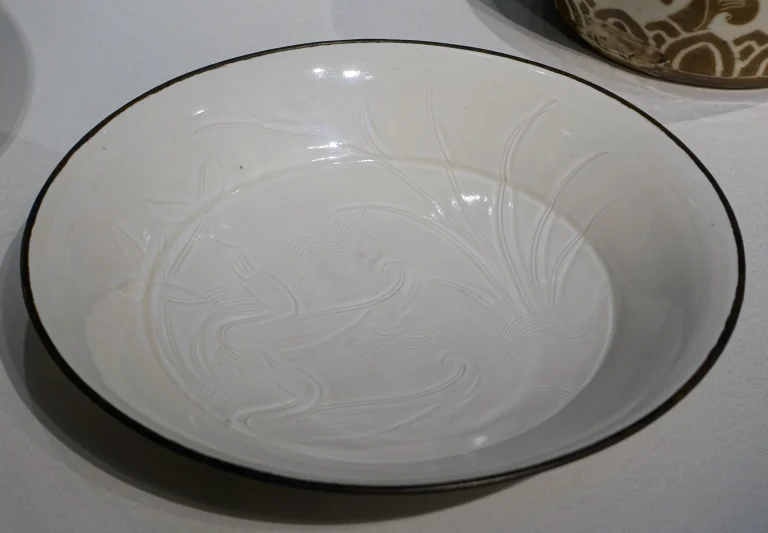
Why Ding ware matters
The Hebei Provincial Cultural Relics Bureau places the Ding kiln site in Jianzi Village and nearby Yancun in Quyang. Its summary describes a tradition that began in the Tang dynasty, flourished in the Northern Song, and declined by the Yuan. Ding ware is often introduced as one of the Song dynasty’s five great kiln traditions, but that phrase alone does not explain the achievement. The site mattered because it was a working production zone, with technical choices, labor, materials, kiln furniture, and distribution behind every finished vessel.
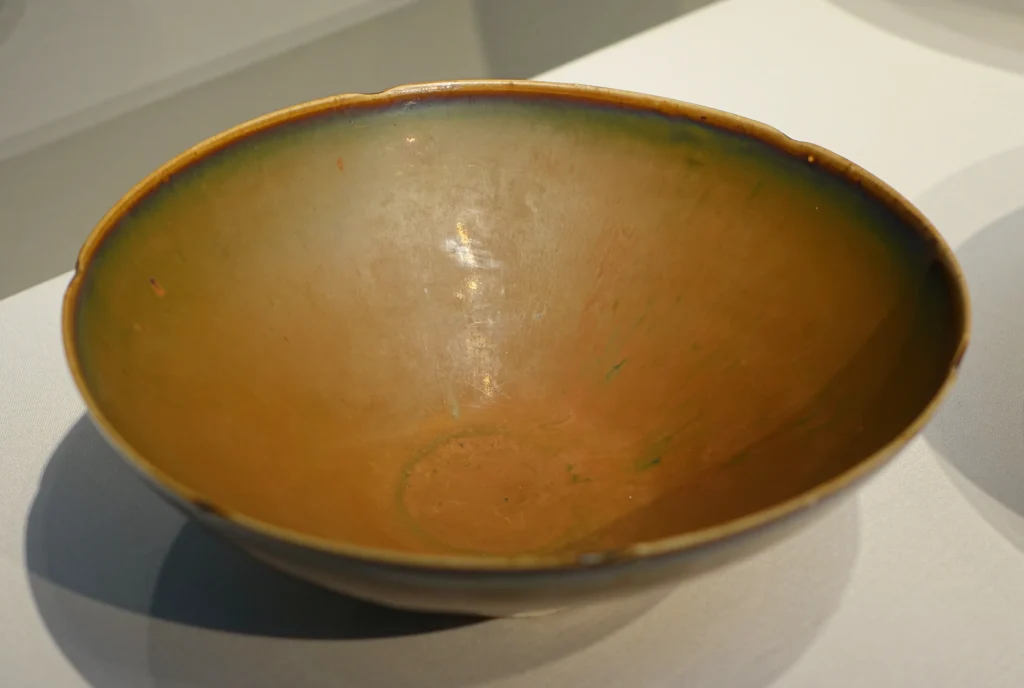
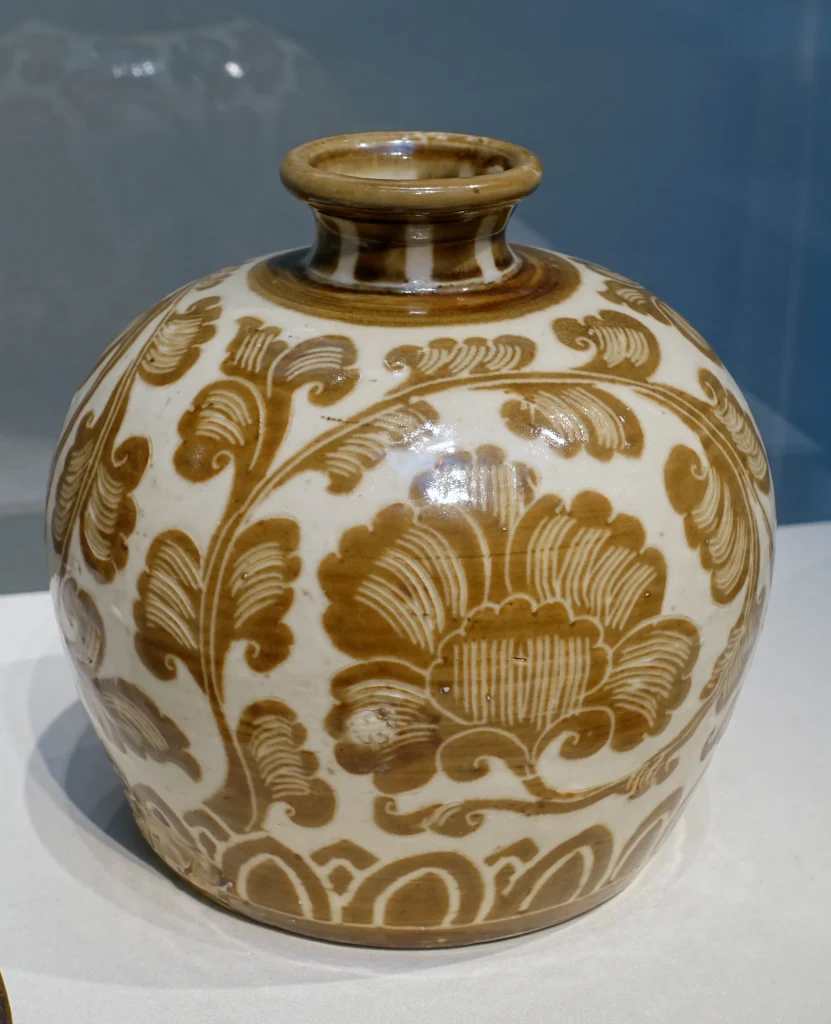
White-glazed ware is the best-known face of Ding, yet it is not the whole story. Incised and molded decoration can sit quietly under a light glaze; dark or russet-toned wares show another part of the output. Look at the rim, foot, surface, and pattern before deciding that a piece is “plain.” A metal rim on a delicate bowl may be later protection or finishing, so labels matter. The pleasure of Ding ware is often in these restrained decisions, not in bright color or heavy ornament.
The ruins are an archaeological landscape, not a pottery shopping street
The Ding kiln remains extend across a broad area around Jianzi Village in Quyang. Provincial sources describe the site as roughly ten square kilometres, while the official local introduction places the main zone north of Quyang town. That scale is a useful warning against expecting a single intact ancient kiln waiting at the end of a short path. Archaeological sites may include protected ground, research areas, reconstructed interpretation, and sections that are not open to casual entry.
In 2023, the Hebei Provincial Cultural Relics Bureau announced the establishment of a Ceramic Archaeology Research Center at the Quyang Ding Kiln Archaeological Site Park. This confirms the site’s active research and protection role. It does not guarantee that every research area, excavation, building, or activity is open to visitors on a particular day. Before travel, check the current official visitor notice, entrance arrangement, holiday changes, and photography rules. Do not rely on a copied map or assume that a temporary exhibition is permanent.
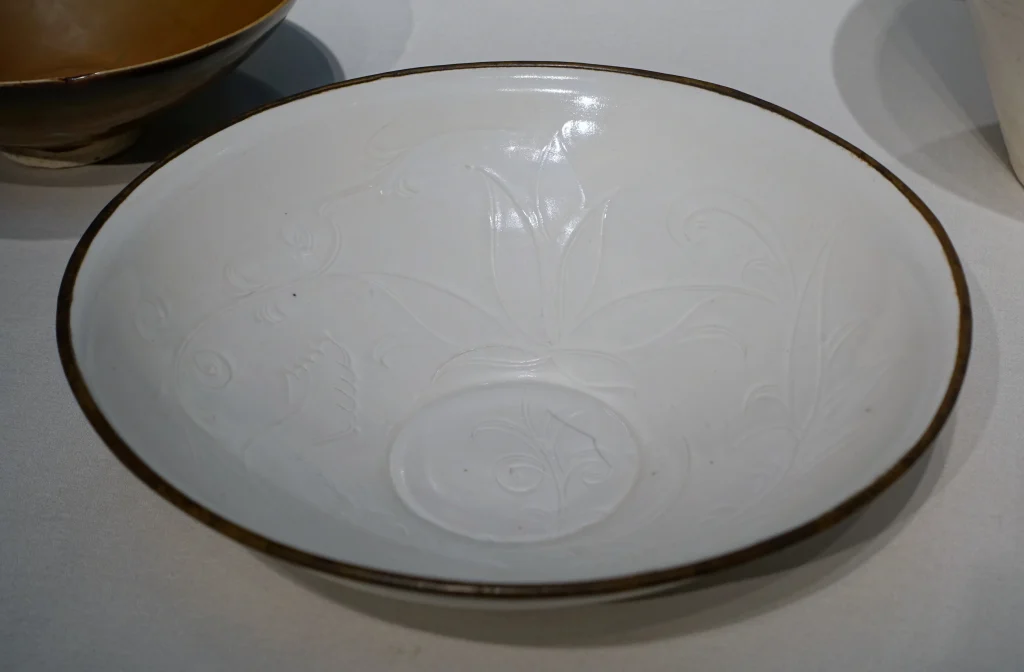
How to look at Ding ware in a museum
If a museum visit is part of your trip, start with the object label rather than the color alone. Look for the date range, material, kiln attribution, findspot if given, and whether the vessel is whole or reconstructed from fragments. Then stand back for the overall shape before moving closer to examine carved lines, molded relief, or iron-tinted decoration. The light glaze is often designed to reveal subtle texture rather than hide it.
Next, compare different forms instead of hunting for one iconic bowl. A dish, bottle, pillow, or small box tells a different story about use and manufacture. The contrast between white and darker wares is equally valuable. It prevents the common but inaccurate idea that Ding ware was only one shade of white or only made for one type of table setting. Avoid drawing conclusions from a single museum object without its label or supporting context.
Planning a Quyang heritage day
Quyang is in the Baoding area, but it rewards a dedicated heritage day rather than an overpacked transfer stop. Use the Beijing to Baoding day-trip guide for the broad regional frame, then confirm the final transport and visitor arrangements with the official site. Give yourself time to read the interpretation and to adjust if the archaeological park route is limited by weather, research, or conservation work.
The best companion stop is the Beiyue Temple guide, which gives the same county a very different historical register: ritual architecture, inscriptions, and stone art rather than kiln production. Travelers interested in another major Song-period monument can add the Dingzhou Kaiyuan Temple Pagoda on a separate day. This combination creates a stronger picture of central Hebei than treating every heritage place as a quick photo stop.
A responsible archaeology checklist
- Stay on public routes: do not enter fenced ground, spoil heaps, research areas, or unmarked slopes.
- Leave fragments where they are: even a small shard can have archaeological value when recorded in place.
- Ask before photographing: museum cases, work areas, and temporary displays can have different rules.
- Keep labels in context: distinguish a Quyang-attributed museum object from an object physically displayed at the ruins.
- Skip unverified claims: firing demonstrations, workshops, and retail experiences are not a substitute for official access information.
Official references and current checks
For the historical span and location of the site, use the Hebei Provincial Cultural Relics Bureau introduction to Ding kiln. The Hebei heritage notice on the Ceramic Archaeology Research Center gives current institutional context. The Quyang cultural-relics introduction to the Ding kiln site is useful for local background. Confirm the latest visitor information directly before travel because site access and research activity can change.

Baishi Mountain Guide: Laiyuan Marble Peaks, Hiking Pace and Day-Trip Planning
Plan a thoughtful Baishi Mountain visit from Laiyuan with real trail scenes, marble-peak context, weather-aware pacing, practical preparation,…
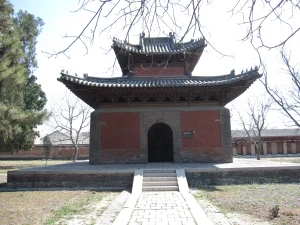
Beiyue Temple Quyang Guide: Northern Sacred Peak Rituals, Dening Hall and Stone Art
Plan a thoughtful Beiyue Temple visit in Quyang with ancient Northern Sacred Peak ritual context, Dening Hall, stone…
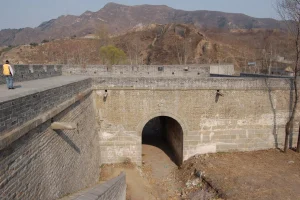
Zijingguan Pass Great Wall Guide: Yixian Gate, Valley Setting and Respectful Visits
Plan a thoughtful Zijingguan Pass visit in Yixian: Great Wall history, the Taihang mountain setting, protection-aware access, and…
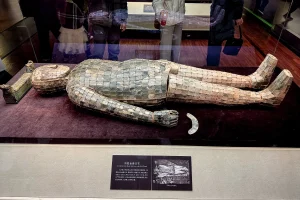
Mancheng Han Tombs Guide: Jade Burial Suits, Archaeology and a Thoughtful Baoding Visit
Understand the Mancheng Han Tombs near Baoding: the Lingshan archaeological site, the famous jade burial suits, museum context,…
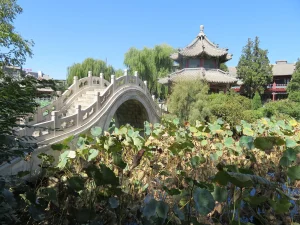
Ancient Lotus Pond Baoding Guide: Garden History, Lotus Season and Old City Tips
Plan Baoding Ancient Lotus Pond with garden history, lotus season timing, old city route ideas, transport notes, nearby…
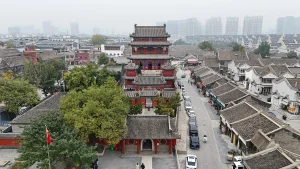
Daci Pavilion Baoding Guide: Old City Landmark, Respectful Visits and Walking Route
Plan a Daci Pavilion stop in Baoding with old-city context, respectful visit advice, practical route links, and current-access…