
Baishi Mountain Guide: Laiyuan Marble Peaks, Hiking Pace and Day-Trip Planning
Baishi Mountain is a high Taihang Mountain landscape south of Laiyuan in western Hebei. It is a good choice for travellers who want a mountain day built around rock formations, changing weather, and steady walking rather than a fast attraction checklist. The official Hebei culture-and-tourism description places it about 15 kilometres south of Laiyuan town, gives its high point as 2,096 metres, and identifies the marble peak landscape as its defining feature.
For an international visitor, the name is often written Baishi Mountain or Baishishan. It is important to plan it as a mountain environment, not as a guaranteed view. Conditions can change quickly with cloud, rain, wind, seasonal maintenance, and the time needed to reach different walking sections. A successful visit leaves margin for the real landscape and treats same-day official notices as more reliable than a fixed online itinerary.
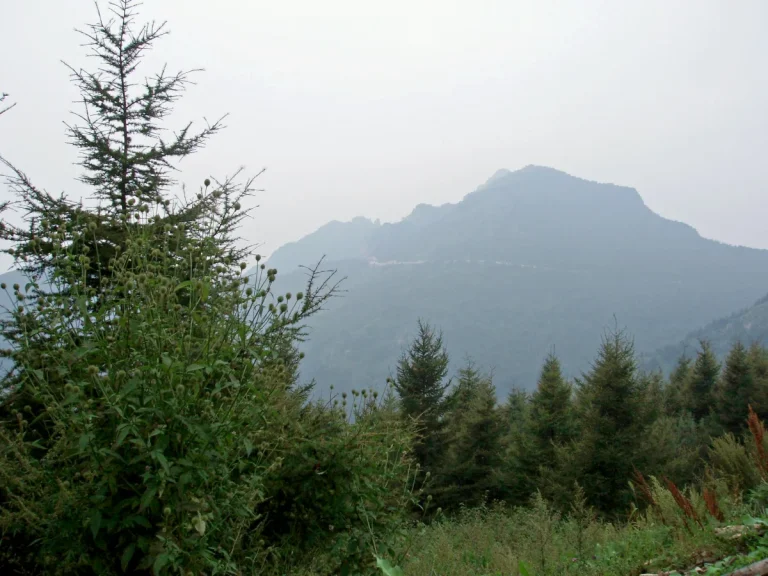
Why Baishi Mountain feels different
Baishi Mountain is known for its pale rock formations, steep relief, and the way cloud can partly hide then reveal the ridgelines. The visual experience is not one single landmark. It comes from moving between open viewpoints, narrow rock-sided sections, vegetation, and changing distances across the slopes. That is why a measured pace matters more here than trying to collect a long list of named stops.
The mountain sits at the northern end of the Taihang range. The official description gives a scenic-area figure of 54 square kilometres and describes the landform as a marble peak forest. Those facts help set expectations, but they do not substitute for a current trail plan. A visitor should decide how much walking, elevation, and exposure feels comfortable only after reviewing the weather, onsite route information, and any temporary safety notices.
Build your day around weather and walking pace
Mountain weather affects more than photographs. Low cloud can reduce visibility, rain can make stone surfaces slippery, and wind can change the comfort of exposed sections. Check a current forecast for Laiyuan and the mountain area before leaving your accommodation, then look again at the entrance. If staff close, reroute, or restrict a section, treat that decision as part of responsible travel rather than an inconvenience to work around.
Start earlier than you would for an urban museum day, but do not turn the morning into a race. Allow time for arrival, ticket and shuttle arrangements if offered, orientation, rest stops, and a conservative turnaround point. The exact route network and visitor facilities can change by season, so this guide deliberately does not promise a particular loop, operating hour, ticket price, or glass feature. Confirm all of those directly through current official channels before committing to transport.
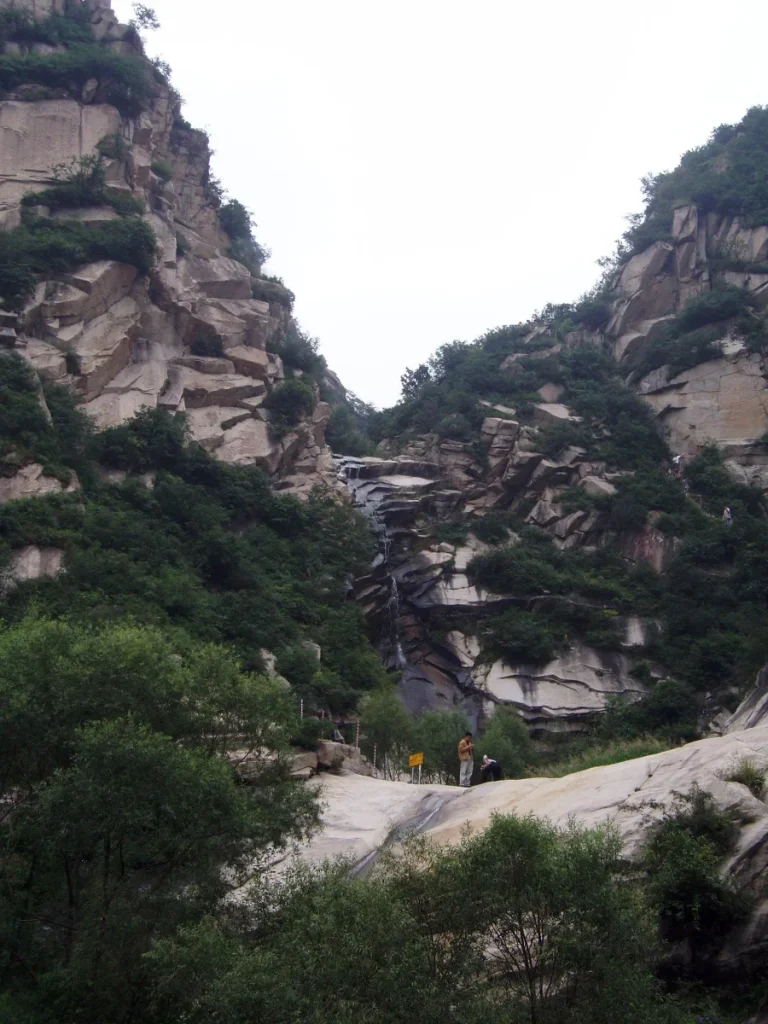
Choose a route by effort, not by social-media photos
A useful first question is not, "Where is the most famous photo point?" It is, "How much terrain can I comfortably cover while still returning safely?" Viewpoints can look close on a map yet require stairs, climbs, transfers, or slow walking. Give yourself a simple hierarchy: one main walking objective, one optional extension only if the weather and your energy remain good, and a clear decision to turn back before you are tired.
Wear shoes with reliable grip, carry water and a light layer, and keep your phone charged with an offline map saved where possible. In warmer months, sun protection and rain protection can both be useful on the same day; at cooler times, wind at elevation can feel much colder than in town. Drones, climbing beyond barriers, and leaving marked public routes are poor choices in any protected mountain setting. Follow onsite signs and staff directions even when a previous traveller’s route appears different.
What the real landscape looks like
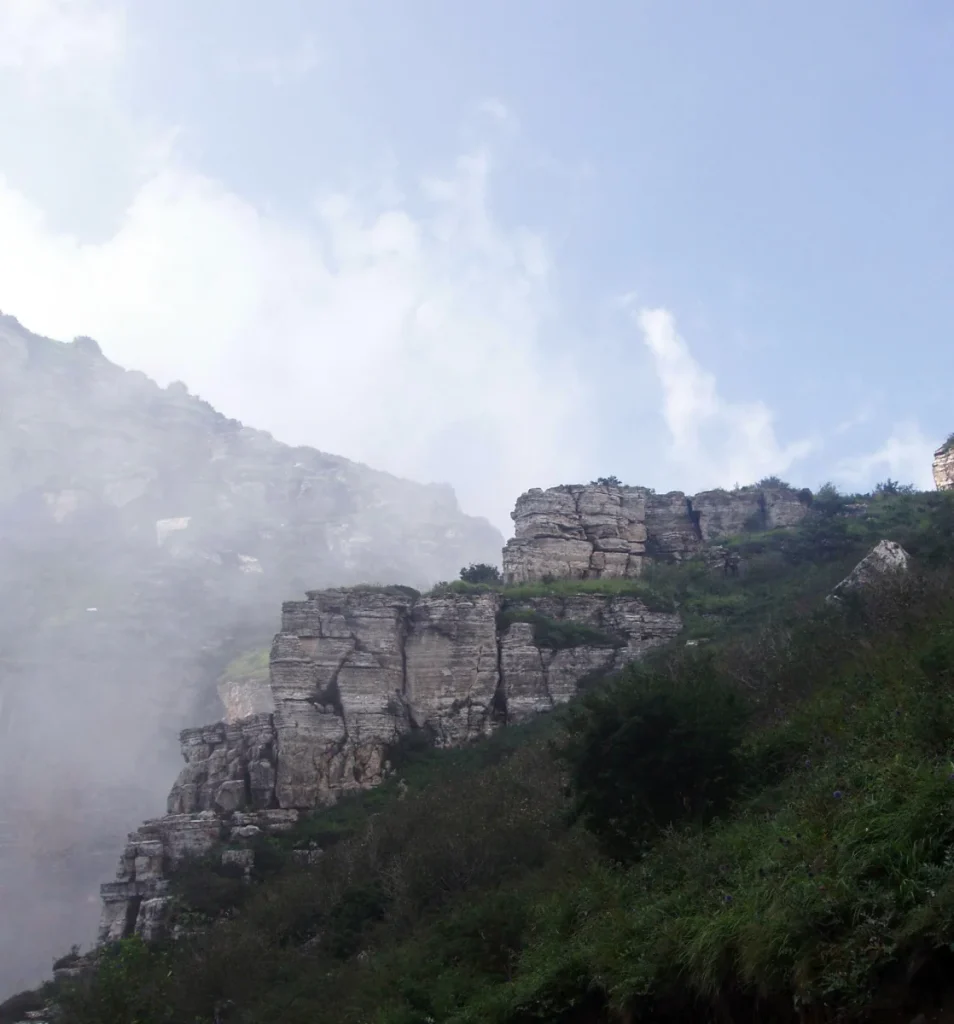
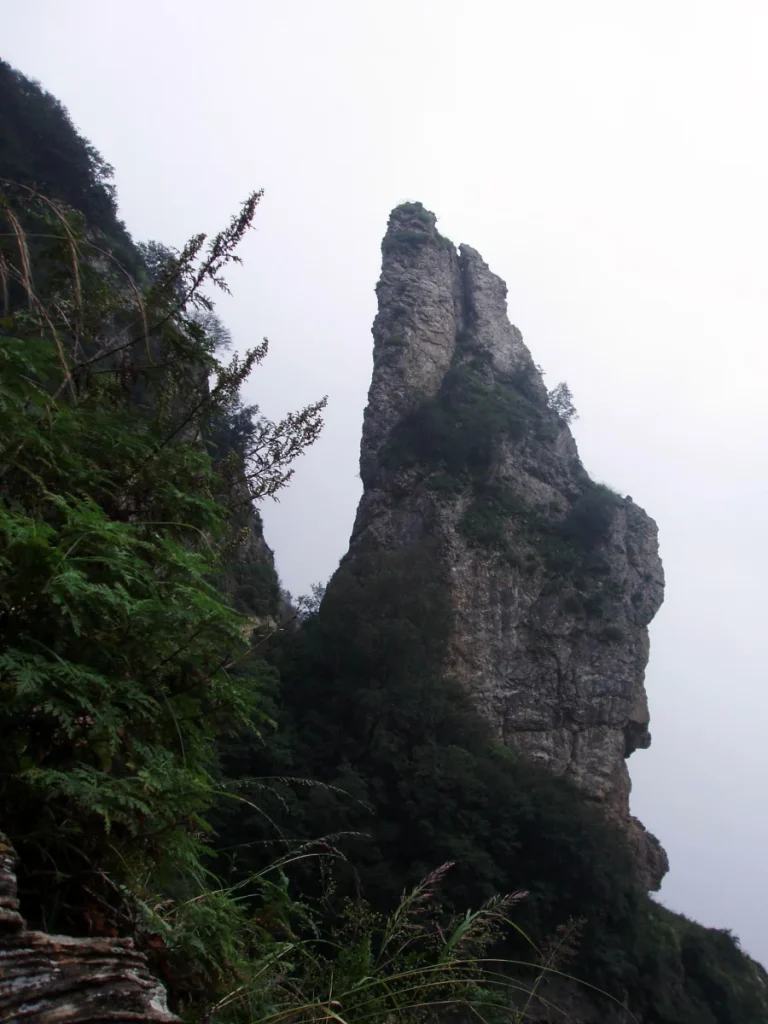
The best photographs from Baishi Mountain are usually honest about scale. A ridgeline framed by trees, a misty wall of rock, or a single pinnacle says more about the terrain than an over-edited panorama. The images on this page are real, traceable photographs taken at Baishi Mountain, not AI illustrations. They show different conditions and viewpoints, which is a more useful reminder that a mountain visit does not have one fixed appearance.
Cloud is not automatically a failed visit. Mist can make the cliffs feel close and emphasize the vertical shape of the landscape. But visibility is still a safety consideration: if it becomes difficult to read signs, route markings, or the next section of path, simplify the plan. Keep your goal as a safe walk with a few clear observations, not a forced summit or a photograph copied from another day.
Getting there and fitting it into a Hebei trip
Laiyuan is the practical town base for Baishi Mountain. For a first visit, arrange your transport and return plan before you enter the mountain area, especially if you are not travelling by private car. Check the current rail, road, local-transfer, and last-return options on the day. Do not assume that an older timetable, hotel desk estimate, or map pin accounts for the season, a holiday, or an altered pickup point.
Baishi Mountain can be the nature-focused part of a wider western Hebei trip, but it should not be crowded into an already dense Yixian itinerary. If you have more than one day, the Yishui Lake guide offers a different water-and-shoreline landscape, while the Zijingguan Pass guide gives a separate Great Wall and valley context. For a history-led stop closer to Baoding city, see the Mancheng Han Tombs guide. These are alternatives for separate days, not a route to force into one afternoon.
A realistic first-visit checklist
- Check same-day conditions: weather, official opening arrangements, route notices, tickets, transport, and any maintenance restrictions.
- Choose one core walk: treat extra viewpoints as optional rather than promised.
- Carry the right basics: water, a light layer, rain protection, sun protection, charged phone, and shoes with grip.
- Set a return decision: turn back while you still have time, energy, daylight, and a clear way to your onward transport.
- Respect the setting: stay on public routes, keep barriers intact, and do not leave litter or take risks for a photograph.
A small museum stop to check before your visit
The Hebei Provincial Cultural Relics Bureau lists the Baishi Mountain Geological Museum at the visitor reception centre in Jingshankou Village, Baishi Mountain Town. Its stated focus is geology, ecology, and local human history. If it is open during your visit, it can be a useful way to give the scenery more context before or after a walk. Verify current opening arrangements directly; a museum listing is not a guarantee of admission on a particular day.
Official references and current checks
For location, scale, elevation, and the marble-peak landscape description, see the Hebei Department of Culture and Tourism profile of Baishi Mountain. For the geological museum’s location and stated collection focus, see the Hebei Provincial Cultural Relics Bureau museum listing. Use official same-day visitor notices for practical details that can change.
Baishi Mountain rewards travellers who plan for the mountain that exists that day: cloud or clear sky, a shorter walk or a longer one, a quiet viewpoint or a changed route. Go prepared, let the terrain set the pace, and keep the trip grounded in real conditions rather than a fixed online promise.

Ding Kiln Ruins Quyang Guide: Song White Porcelain, Archaeology and Museum Context
Plan a thoughtful Ding Kiln Ruins visit in Quyang: Song porcelain, the Jianzi archaeological landscape, protection-aware planning, and…
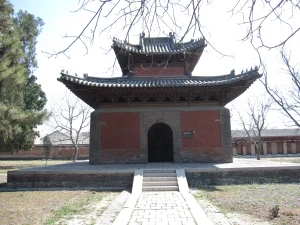
Beiyue Temple Quyang Guide: Northern Sacred Peak Rituals, Dening Hall and Stone Art
Plan a thoughtful Beiyue Temple visit in Quyang with ancient Northern Sacred Peak ritual context, Dening Hall, stone…
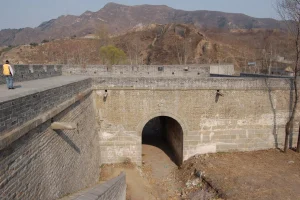
Zijingguan Pass Great Wall Guide: Yixian Gate, Valley Setting and Respectful Visits
Plan a thoughtful Zijingguan Pass visit in Yixian: Great Wall history, the Taihang mountain setting, protection-aware access, and…
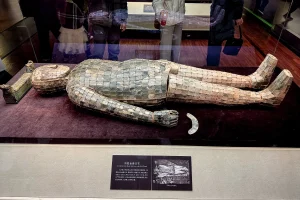
Mancheng Han Tombs Guide: Jade Burial Suits, Archaeology and a Thoughtful Baoding Visit
Understand the Mancheng Han Tombs near Baoding: the Lingshan archaeological site, the famous jade burial suits, museum context,…
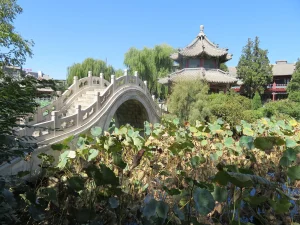
Ancient Lotus Pond Baoding Guide: Garden History, Lotus Season and Old City Tips
Plan Baoding Ancient Lotus Pond with garden history, lotus season timing, old city route ideas, transport notes, nearby…
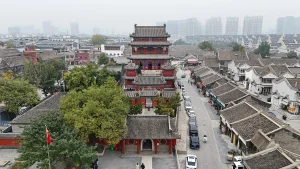
Daci Pavilion Baoding Guide: Old City Landmark, Respectful Visits and Walking Route
Plan a Daci Pavilion stop in Baoding with old-city context, respectful visit advice, practical route links, and current-access…