
Western Qing Tombs Day Trip from Beijing or Baoding: Yixian Route and Visitor Tips
The Western Qing Tombs are one of the strongest county-level heritage trips in Hebei for travelers who want Qing dynasty history beyond Beijing. Located in Yixian County, Baoding, the tomb complex is usually more useful as a focused heritage day than as a quick stop on a broad Baoding checklist. The site works especially well for travelers comparing imperial tomb landscapes, old Beijing history, and central Hebei routes.
This guide explains how to plan a Western Qing Tombs day trip from Beijing or Baoding, how it differs from the Eastern Qing Tombs in Zunhua, what to prioritize once you arrive, and what to verify before travel. It also connects with the broader Beijing to Baoding day trip guide without pretending the tombs are in central Baoding city.
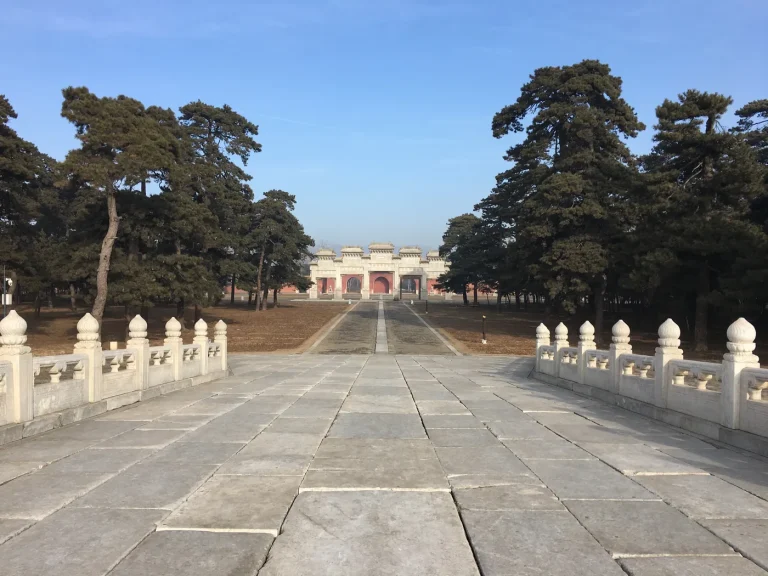
Quick Planning Snapshot
- Best for: Qing dynasty imperial tombs, heritage photography, pine-forest scenery, slower cultural travel, and travelers comparing Qing sites around Beijing and Hebei.
- Location: Yixian County, Baoding, Hebei, southwest of Beijing.
- Best bases: Beijing for a long private-car day, Baoding for a more relaxed Hebei base, or an overnight Yixian/Baoding-area stay if you want less pressure.
- Best trip length: one full day; do not combine it with too many central Baoding stops unless transport is prearranged.
- Before going: verify open areas, ticketing, internal shuttle or transfer arrangements, weather, and return transport close to the travel date.
Why the Western Qing Tombs Deserve a Separate Article
Many Hebei itineraries mention the Western Qing Tombs only briefly under Baoding attractions. That is not enough for a real visitor. Yixian is not the same as downtown Baoding, and the tomb complex covers a large landscape rather than a single gate or museum room. A traveler who treats it as a small side stop may spend too much time in transfers and too little time understanding the site.
The value of the Western Qing Tombs is the combination of imperial burial architecture, ceremonial axes, stone structures, pine forests, and the quiet scale of a protected tomb landscape. It is less about fast sightseeing and more about reading space, hierarchy, and Qing royal memory. That makes it a better fit for travelers who already enjoy places such as the Ming Tombs, Chengde’s imperial landscape, or the Eastern Qing Tombs.
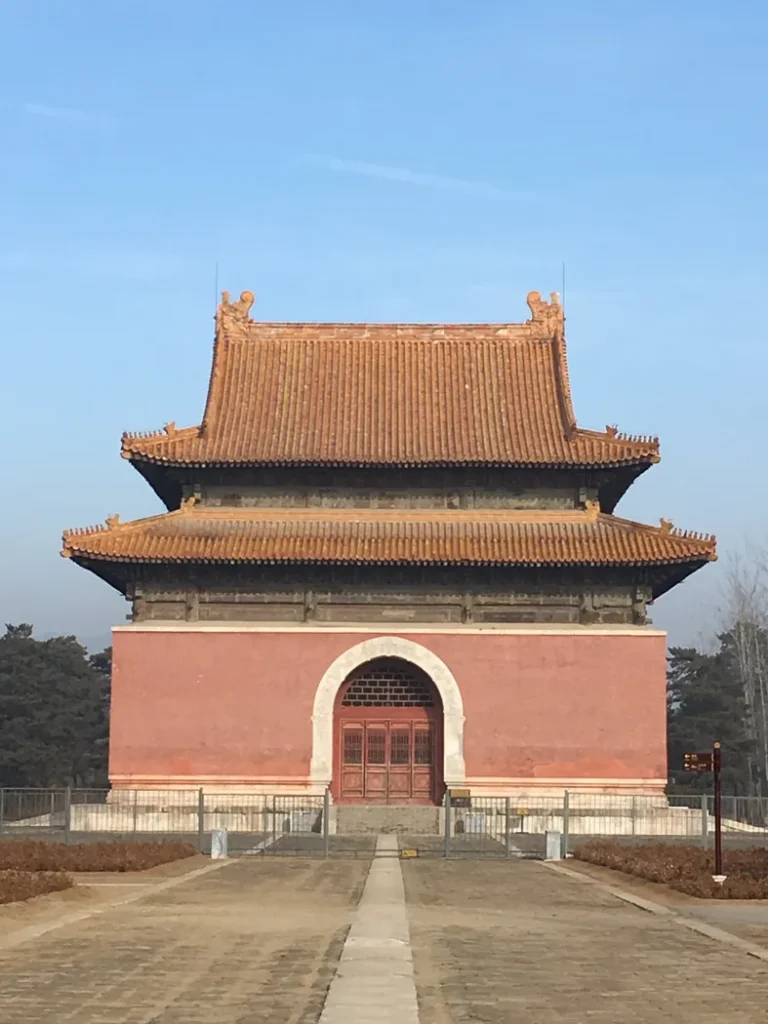
Western Qing Tombs or Eastern Qing Tombs?
The Western Qing Tombs and Eastern Qing Tombs are often confused by first-time visitors because both are Qing imperial mausoleum landscapes in Hebei. The simple planning difference is geography. The Eastern Qing Tombs are in Zunhua, closer to Tangshan and the Beijing-Tianjin-Tangshan side of the map. The Western Qing Tombs are in Yixian, Baoding, on the southwest side of Beijing.
Choose the Western Qing Tombs if your route already points toward Baoding, Xiong’an, central Hebei, or a southwest-of-Beijing day. Choose the Eastern Qing Tombs if your trip is linked with Tangshan, Zunhua, or northeast-of-Beijing heritage routes. If you have time for both, do not put them on the same day. They are better compared across two different routes, not squeezed into one exhausting transfer plan.
How to Plan the Route from Beijing
From Beijing, the most comfortable approach is usually a prearranged car or a route built around Baoding/Yixian transport rather than a casual public-transport experiment. The site is not a simple subway-style destination. If you are using rail for part of the journey, first read the general Beijing to Hebei train guide, then check current trains, local transfers, and return timing separately.
A Beijing day trip is realistic only if the transport is planned before departure. Start early, keep the day focused on the tomb complex, and avoid adding too many unrelated stops. If you want a slower pace, stay in Baoding or nearby and use the Western Qing Tombs as the main heritage stop of the following day.
How to Plan the Route from Baoding
Baoding is the more natural regional base because Yixian belongs to Baoding. But the tombs are still outside the city center, so hotel location and onward transfer matter. If your Baoding route also includes the Ancient Lotus Pond, Zhili Governor’s Office, or local food, separate the city day from the Yixian day. That gives each place enough attention and avoids a shallow itinerary.
For travelers staying in Baoding, the Western Qing Tombs can pair well with a broader central Hebei heritage plan: one day in Baoding city, one day in Yixian, and then onward to places such as Dingzhou or Baiyangdian if the schedule allows. Use the Baoding travel guide for city context, but treat the tombs as their own route.

What to Prioritize on Site
Do not judge the Western Qing Tombs by one gate. The point is the tomb landscape as a whole: approach roads, ceremonial buildings, stele pavilions, stone details, trees, courtyards, and the spacing between major structures. Move slower than you would in a compact city temple. If you rush, the site may feel repetitive; if you give it time, the route becomes easier to understand.
- Start with the main visitor information: confirm which areas are open that day and whether any halls or routes are under maintenance.
- Prioritize imperial tomb context: the complex is connected with Qing emperors including Yongzheng, Jiaqing, Daoguang, and Guangxu, along with empresses and other royal household members.
- Watch the landscape: pine forests, open axes, courtyards, and stone structures are as important as individual plaques.
- Keep photo time realistic: the site rewards wide, quiet compositions more than quick close-ups.
- Leave with return buffer: rural or county-level transfers can take longer than a city map suggests.
Practical Tips for Foreign Visitors
- Save the Chinese name 清西陵 and the county name 易县 before departure.
- Carry your passport for hotels, ticketing checks, and any train travel; review the foreign tourist documents guide if needed.
- Do not rely on old ticket prices or opening-hour screenshots; verify current information close to the travel date.
- Wear comfortable shoes. The tombs are not a hard mountain hike, but the route can involve long walking and exposed outdoor areas.
- Bring water and sun protection in warm months; winter can be quiet but colder than a city walk.
- Choose accommodation by route logic, not only by Baoding city name; the Hebei hotel guide can help compare city, county, and heritage-area stays.
Who Should Add This to a Hebei Trip?
Add the Western Qing Tombs if you care about Qing history, imperial architecture, World Heritage landscapes, or less crowded heritage sites near Beijing. Skip it if you only want a short food walk or a simple city sightseeing day. For first-time Hebei planning, it is best positioned as a serious heritage route within the Hebei attractions cluster, not as a casual filler stop.
Current Reference Checks
For current context, the Hebei provincial English government site reported in September 2025 that the Western Qing Tombs in Yixian had reopened to regular visitors, noted the site’s location about 140 kilometers southwest of downtown Beijing, and described the complex as covering 83 square kilometers with 14 tombs connected with Qing imperial households: Hebei provincial government English page. A government travel-and-tourism repost provides the same 2025 reopening context: govt.chinadaily.com.cn reference.

Baishi Mountain Guide: Laiyuan Marble Peaks, Hiking Pace and Day-Trip Planning
Plan a thoughtful Baishi Mountain visit from Laiyuan with real trail scenes, marble-peak context, weather-aware pacing, practical preparation,…

Ding Kiln Ruins Quyang Guide: Song White Porcelain, Archaeology and Museum Context
Plan a thoughtful Ding Kiln Ruins visit in Quyang: Song porcelain, the Jianzi archaeological landscape, protection-aware planning, and…
Beiyue Temple Quyang Guide: Northern Sacred Peak Rituals, Dening Hall and Stone Art
Plan a thoughtful Beiyue Temple visit in Quyang with ancient Northern Sacred Peak ritual context, Dening Hall, stone…
Zijingguan Pass Great Wall Guide: Yixian Gate, Valley Setting and Respectful Visits
Plan a thoughtful Zijingguan Pass visit in Yixian: Great Wall history, the Taihang mountain setting, protection-aware access, and…
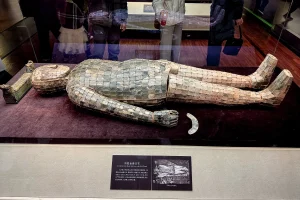
Mancheng Han Tombs Guide: Jade Burial Suits, Archaeology and a Thoughtful Baoding Visit
Understand the Mancheng Han Tombs near Baoding: the Lingshan archaeological site, the famous jade burial suits, museum context,…
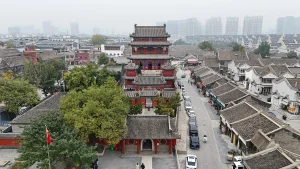
Daci Pavilion Baoding Guide: Old City Landmark, Respectful Visits and Walking Route
Plan a Daci Pavilion stop in Baoding with old-city context, respectful visit advice, practical route links, and current-access…