
Mancheng Han Tombs Guide: Jade Burial Suits, Archaeology and a Thoughtful Baoding Visit
The Mancheng Han Tombs are one of the most important archaeological discoveries in Hebei, but they are easy to misunderstand as a simple stop outside Baoding. The real story is broader: two Western Han royal tombs were cut into Lingshan near Mancheng, their excavation changed public understanding of Han elite burial, and many of their best-known finds are now interpreted through museum collections in Shijiazhuang. A worthwhile visit begins by separating the archaeological site from the objects that left it.
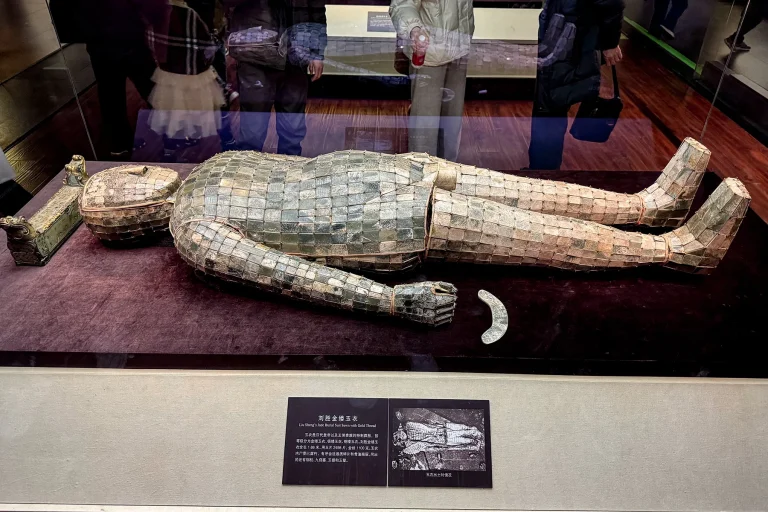
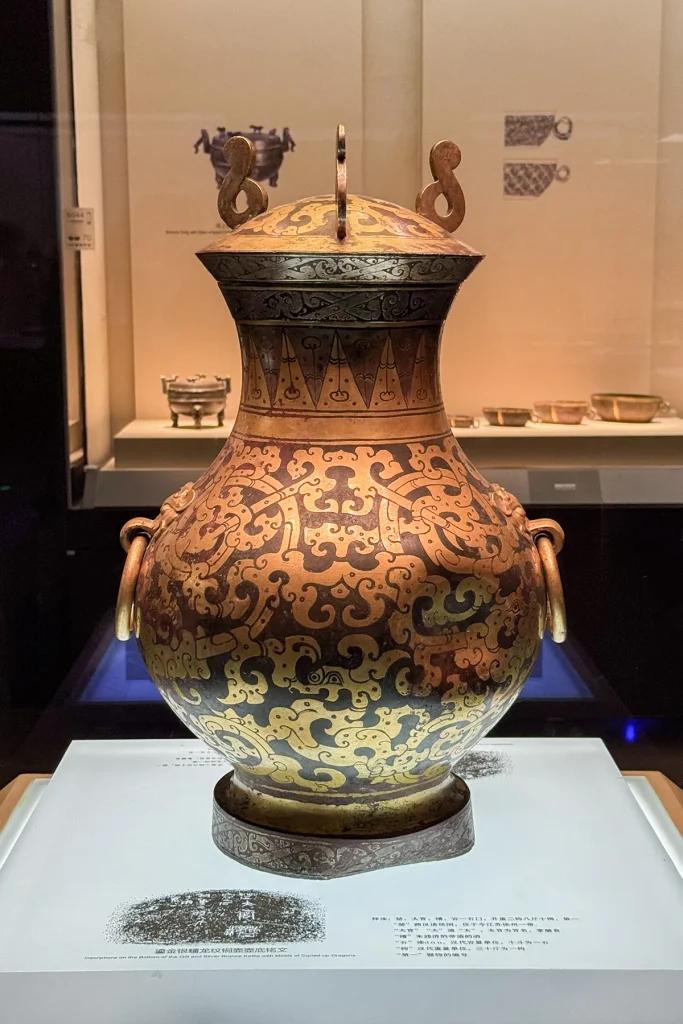
The tombs belonged to Liu Sheng, Prince Jing of Zhongshan, and his wife Dou Wan. Excavated in 1968, the pair became internationally known for their jade burial suits sewn with gold thread, as well as the Changxin Palace Lamp, the Boshan incense burner, fine bronzes, lacquerware, and burial furnishings. These are not decorative curiosities detached from place. Together, they reveal how a Western Han princely household represented rank, ritual, technology, and the imagined afterlife.
What makes the Mancheng discovery important
Both tombs were constructed within the mountain rather than beneath a conventional earthen mound. Their form, chambers, doors, fittings, and grave goods gave archaeologists unusually rich evidence for the burial practices of a Han royal family. China Culture describes the discovery as one of China’s leading twentieth-century archaeological finds, while the Hebei cultural authorities continue to use the Mancheng material as a major part of the province’s Han-dynasty interpretation.
The jade suits are the images most visitors remember. Each is made from many small jade plaques joined with gold wire, but their significance goes beyond cost or spectacle. They show a courtly funerary practice associated with rank and beliefs about protecting the body. Do not assume that every jade suit shown in a book, shop, or social-media post comes from Mancheng; use labels and official museum material to identify the object and its tomb correctly.
The site and the museum are two different experiences
At Lingshan in Mancheng, the key value is archaeological context: you are near the mountain setting in which the tombs were found. At the Hebei Museum in Shijiazhuang, the value is object-by-object interpretation. The provincial museum’s continuing “Great Han Legacy: Mancheng Han Tombs” display is where visitors can place the jade suits, lamps, metalwork, and other finds within a wider story of Western Han material culture.
That distinction matters for route planning. Do not promise yourself that every famous object will be at the tomb site, and do not treat a museum gallery as a substitute for the topography of Lingshan. If time permits, combine them across separate days: use Mancheng for the archaeological landscape, then give the museum a focused visit in Shijiazhuang. If you have only one day, choose based on what you want most: site context or close viewing of the objects.
It is also worth resisting a common shortcut in travel writing: the Mancheng finds do not tell a complete story about every Han tomb, or every person in the Han empire. They document two exceptionally well-equipped princely burials. Their value is precisely that the archaeological record is so specific. Read the evidence at that scale, and the jade, lamps, vessels, and fittings become more meaningful than a generic claim about “ancient Chinese luxury.”
How to plan a careful Baoding visit
Start with the wider Beijing to Baoding day-trip guide if you are travelling from the capital, but do not assume Mancheng is an effortless add-on to central Baoding. The final approach, local access rules, weather, conservation work, and opening arrangements can change. Before leaving, check the current official notice for the Mancheng Han Tombs Museum or the relevant local cultural authority. Confirm the actual entrance, ticketing or reservation requirement, security rules, and the last realistic return connection on the same day.
Build in time to read. This is not a destination that improves when compressed into a ten-minute photo stop. A short pre-visit reading session on the tomb owners, the 1968 excavation, and the difference between tomb-site context and museum display will make the visit much clearer. If you stay in Baoding, pair the archaeology with the Ancient Lotus Pond or the Zhili Governor’s Office on another part of the itinerary rather than trying to rush all three in a single afternoon.
What to look for in the objects
- Jade burial suits: look at the plaque pattern and joining method, then read the tomb label rather than relying only on the famous silhouette.
- Lighting and incense objects: the Changxin Palace Lamp and Boshan incense burner are important because they combine technical design, ritual use, and elite taste.
- Bronze fittings and vessels: small details such as inlay, inscriptions, and handles reveal the scale of the burial assemblage.
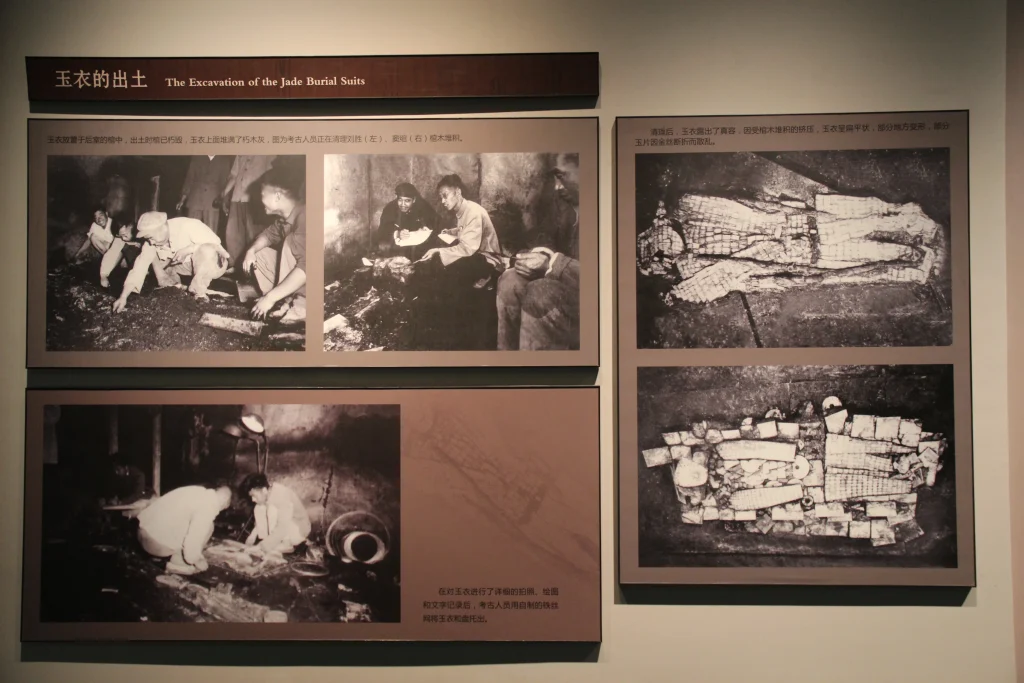
- Excavation records: historic photographs and diagrams explain why archaeologists record position and context, not just attractive objects.
Respectful heritage travel
At any archaeological or museum location, stay within marked routes and do not cross barriers for a better angle. Do not touch stone, metal, glass cases, or surfaces; oils and abrasion can cause damage that is not visible immediately. Follow photography signs, especially around sensitive galleries and security areas. Treat labels as part of the experience, not as background decoration. They are often the only reliable way to distinguish an excavated original from a later display, model, or comparison object.
Official references and current checks
For the local institution, consult the Hebei Provincial Cultural Relics Bureau profile of the Baoding Mancheng Han Tombs Museum. For a concise archaeological overview, see China Culture’s introduction to the Tombs of Han at Mancheng. The Hebei cultural authorities also list the Mancheng Han Tombs display among ongoing provincial-museum exhibitions; verify current gallery access and on-site visitor arrangements directly before travel.
Baishi Mountain Guide: Laiyuan Marble Peaks, Hiking Pace and Day-Trip Planning
Plan a thoughtful Baishi Mountain visit from Laiyuan with real trail scenes, marble-peak context, weather-aware pacing, practical preparation,…
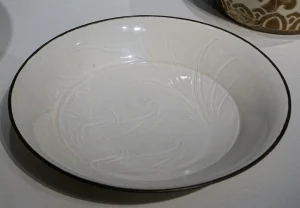
Ding Kiln Ruins Quyang Guide: Song White Porcelain, Archaeology and Museum Context
Plan a thoughtful Ding Kiln Ruins visit in Quyang: Song porcelain, the Jianzi archaeological landscape, protection-aware planning, and…
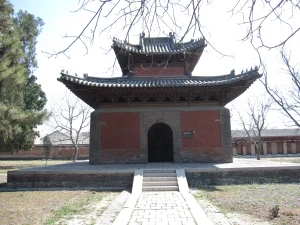
Beiyue Temple Quyang Guide: Northern Sacred Peak Rituals, Dening Hall and Stone Art
Plan a thoughtful Beiyue Temple visit in Quyang with ancient Northern Sacred Peak ritual context, Dening Hall, stone…
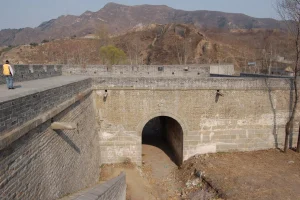
Zijingguan Pass Great Wall Guide: Yixian Gate, Valley Setting and Respectful Visits
Plan a thoughtful Zijingguan Pass visit in Yixian: Great Wall history, the Taihang mountain setting, protection-aware access, and…
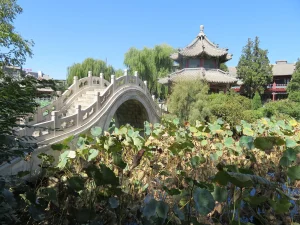
Ancient Lotus Pond Baoding Guide: Garden History, Lotus Season and Old City Tips
Plan Baoding Ancient Lotus Pond with garden history, lotus season timing, old city route ideas, transport notes, nearby…
Daci Pavilion Baoding Guide: Old City Landmark, Respectful Visits and Walking Route
Plan a Daci Pavilion stop in Baoding with old-city context, respectful visit advice, practical route links, and current-access…