
Beiyue Temple Quyang Guide: Northern Sacred Peak Rituals, Dening Hall and Stone Art
Beiyue Temple in Quyang is not a mountain hike and it is not simply another old courtyard. It is the historic temple where rulers and officials made offerings to the ancient Northern Sacred Peak, a ritual landscape connected with Mount Heng and the northern mountains beyond the town. For a traveler, that makes the site unusually rewarding: the architecture, gates, inscriptions, and stone works are all part of one long story about how a sacred mountain was represented from afar.
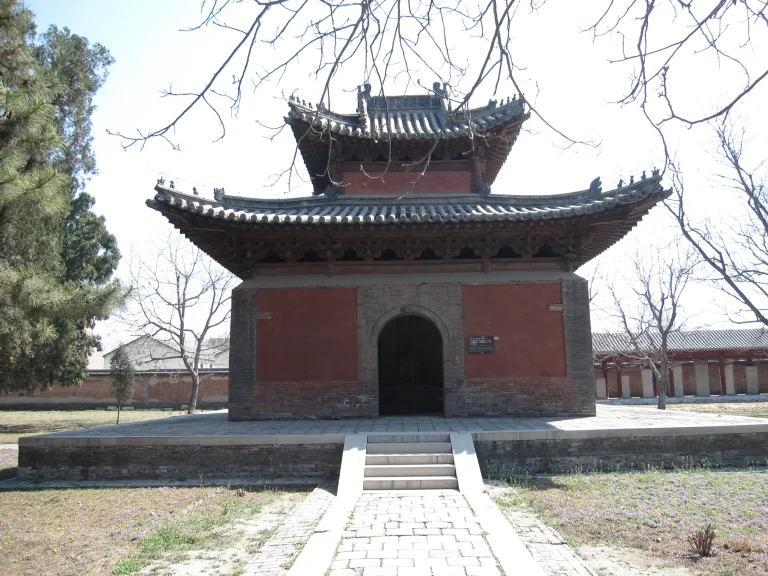
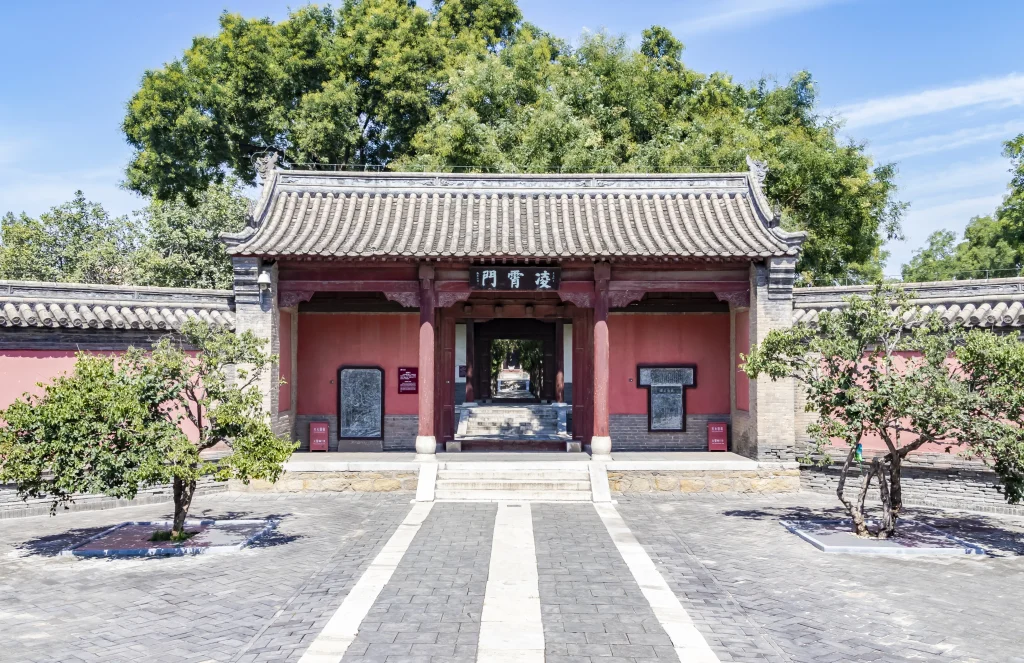
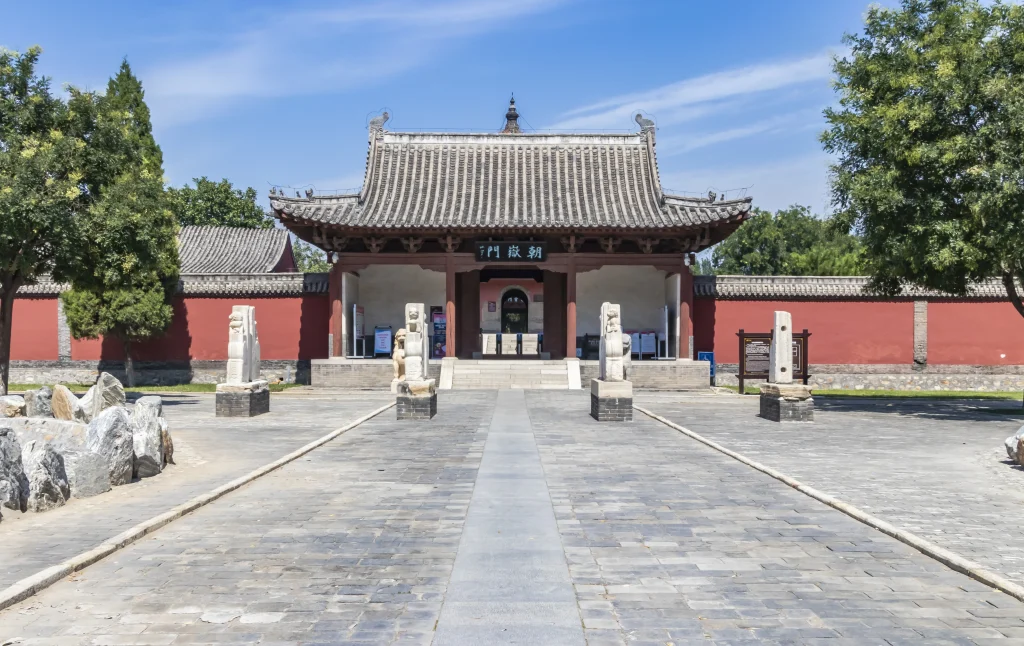
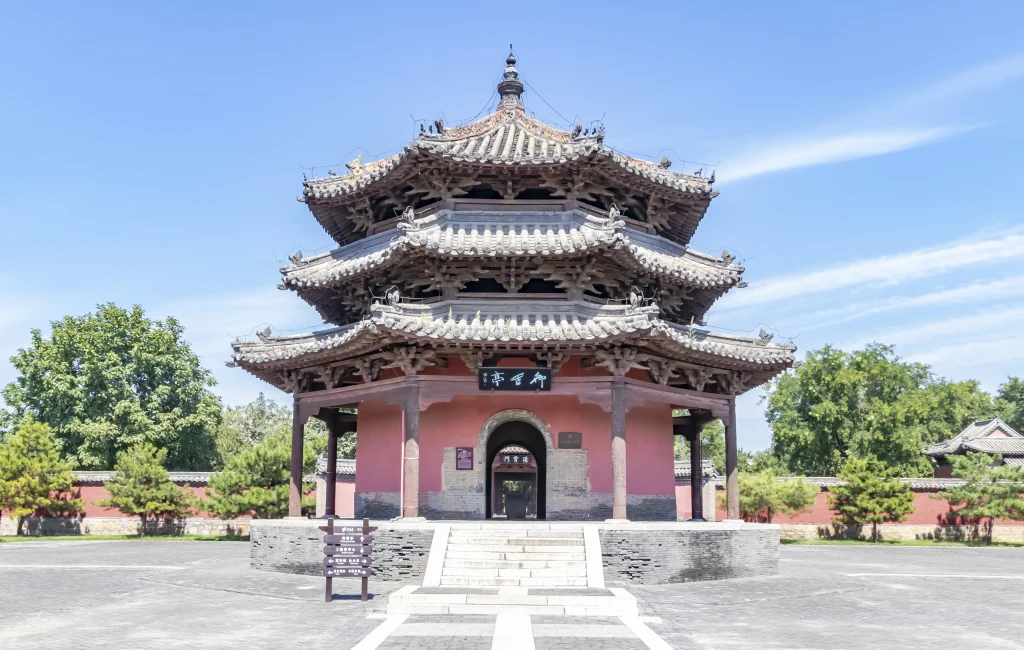
The temple began in the Northern Wei period and was repaired and reshaped across later dynasties. The protected complex is large enough that a rushed circuit misses its logic. The Hebei Provincial Cultural Relics Bureau lists a central sequence that includes the Imperial Incense Pavilion, Lingxiao Gate, Chaoyue Gate, the Feishi Hall site, and Dening Hall. Start with that axis, then allow time for the side buildings, stelae, and smaller details rather than treating the visit as a single facade photograph.
Why Beiyue Temple matters
In the traditional five-sacred-peaks system, the Northern Sacred Peak had political and religious importance far beyond a local shrine. Quyang’s Beiyue Temple was a place for formal offerings connected with that wider geography. The temple therefore helps visitors understand something that is easy to miss in a modern map: an imperial ritual site could be placed in a town while directing attention to a mountain landscape elsewhere. Read the complex as a designed place of ceremony, memory, and authority, not as a generic religious attraction.
The site is also an unusually good introduction to Quyang’s material culture. The county is widely known for stone carving, and local cultural authorities describe a tradition reaching back more than two millennia. At Beiyue Temple, inscriptions, carved elements, and the treatment of stone in the built environment give that context a historic setting. Do not assume every sculpture you see is from the same date or function; labels and display notes are essential for distinguishing ritual architecture, later commemoration, and museum interpretation.
The distance between temple and mountain is part of the point. State ritual needed a stable ceremonial setting: gates organized the approach, courtyards handled movement, halls focused offerings, and inscriptions recorded later acts of repair or commemoration. Looking along the axis is therefore more informative than searching immediately for one famous detail. It lets you see how architecture turned a broad northern landscape into a sequence of controlled views and thresholds within the town.
A useful way to walk through the temple
Begin outside the first gate and look down the central line before entering. The shift from street to courtyard is part of the experience. At each threshold, pause to notice how the roofline, paving, trees, and side structures change the view forward. Lingxiao Gate and Chaoyue Gate are not just checkpoints on a map; they create a gradual approach toward the principal halls and make the temple feel more ceremonial than a single open plaza.
When you reach Dening Hall and the principal interior areas, slow down further. Painted surfaces, carved stone, historic wood, and stelae can be vulnerable even when damage is not obvious. Follow any photography or circulation notices, keep flash off where prohibited, and do not lean on railings or touch reliefs. A careful, unhurried visit is more useful than trying to photograph every detail through a crowd.
It is useful to distinguish a historic building from a claim about its original fabric. Beiyue Temple has a long record of repair across multiple dynasties, so an impressive roof, gateway, stele, or painted surface does not automatically date from the first foundation. Use the on-site labels and official museum material when a date matters. That approach is more accurate than repeating a single foundation year for every visible part of the complex.
Planning from Baoding or Beijing
Quyang is in the Baoding area, but a meaningful Beiyue Temple visit needs more than a quick city-center stop. Begin with the Beijing to Baoding day-trip guide if you are approaching from the capital, then verify the final local connection and the official visitor information before travel. Do not rely on copied opening hours, ticket prices, or informal directions: museum operations, temporary exhibitions, and conservation arrangements can change.
Quyang works best as a heritage-focused day of its own, or as one element in a slower northern Baoding itinerary. The Dingzhou Kaiyuan Temple Pagoda guide is a strong companion for travelers interested in religious architecture, but it deserves separate time. For a contrasting archaeological focus, use the Mancheng Han Tombs guide. Do not try to compress temple, pagoda, and tomb site into one rushed afternoon.
Look beyond the main hall
The Imperial Incense Pavilion is a useful reminder that ritual began before the main hall. Its height and gateway-like form make it a natural point for looking back through the complex as well as forward along the axis. Try photographing it from the designated open space rather than stepping onto masonry or planting beds. The best image is often one that shows its relationship to the courtyard and surrounding roofs, not a close crop that loses the site’s scale.
Respectful visitor checklist
- Read the axis before the details: understand the order of gates and halls before moving into the side spaces.
- Protect surfaces: do not touch painted walls, carvings, stelae, roof tiles, or old timber.
- Follow photo rules: turn off flash and respect restrictions around interior displays and conservation work.
- Check current arrangements: temporary exhibitions and repairs can change the visitor route.
- Use local labels carefully: they are the reliable way to separate dates, functions, and later additions.
Official references and current checks
For the protected complex and its central sequence, see the Hebei Provincial Cultural Relics Bureau introduction to Beiyue Temple. The official Beiyue Temple site provides current institutional context. For Quyang’s wider stone-carving and heritage background, consult the Quyang county profile. Confirm same-day visitor notices, access, and photography rules directly before you go.
Baishi Mountain Guide: Laiyuan Marble Peaks, Hiking Pace and Day-Trip Planning
Plan a thoughtful Baishi Mountain visit from Laiyuan with real trail scenes, marble-peak context, weather-aware pacing, practical preparation,…
Ding Kiln Ruins Quyang Guide: Song White Porcelain, Archaeology and Museum Context
Plan a thoughtful Ding Kiln Ruins visit in Quyang: Song porcelain, the Jianzi archaeological landscape, protection-aware planning, and…
Zijingguan Pass Great Wall Guide: Yixian Gate, Valley Setting and Respectful Visits
Plan a thoughtful Zijingguan Pass visit in Yixian: Great Wall history, the Taihang mountain setting, protection-aware access, and…
Mancheng Han Tombs Guide: Jade Burial Suits, Archaeology and a Thoughtful Baoding Visit
Understand the Mancheng Han Tombs near Baoding: the Lingshan archaeological site, the famous jade burial suits, museum context,…
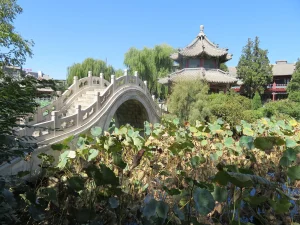
Ancient Lotus Pond Baoding Guide: Garden History, Lotus Season and Old City Tips
Plan Baoding Ancient Lotus Pond with garden history, lotus season timing, old city route ideas, transport notes, nearby…
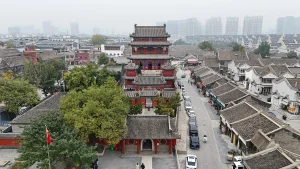
Daci Pavilion Baoding Guide: Old City Landmark, Respectful Visits and Walking Route
Plan a Daci Pavilion stop in Baoding with old-city context, respectful visit advice, practical route links, and current-access…