
Ancient Lotus Pond Baoding Guide: Garden History, Lotus Season and Old City Tips
Ancient Lotus Pond is one of Baoding’s most useful stops for foreign visitors because it gives the old city a clear cultural anchor. The garden is small enough for a relaxed visit, but it is not a simple urban park. It combines water, pavilions, bridges, old academy associations, carved inscriptions, and the layered feeling of a northern Chinese garden that has been repaired and reinterpreted across several dynasties.
The Chinese name is 古莲花池, and you may also see it translated as Ancient Lotus Pool, Old Lotus Pond, or Ancient Lotus Flower Pond. These names point to the same site in Baoding’s Lianchi District. If you are arriving from Beijing, start with the Beijing to Baoding day trip guide for train and city-route logic, then use this page to decide how much time to give the garden itself.
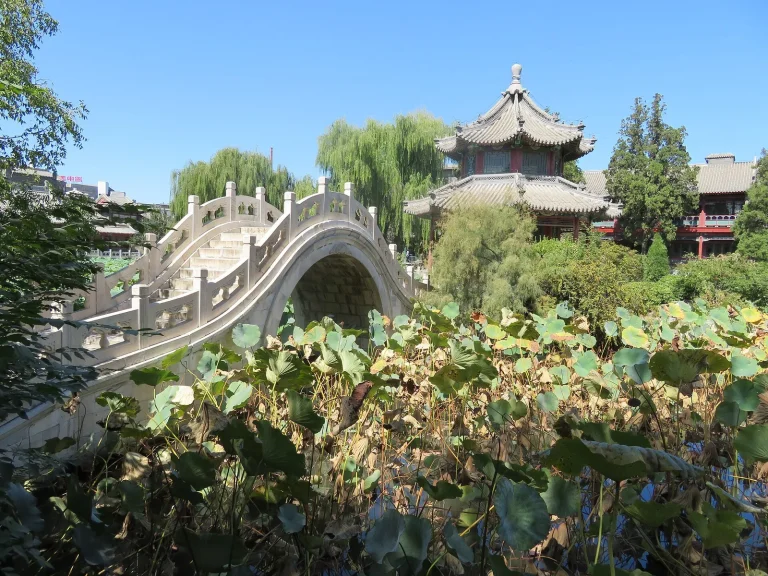
Why Ancient Lotus Pond is worth a dedicated visit
Many travelers treat Baoding as a short stop between Beijing, Xiong’an, Baiyangdian, or the Qing tombs. That is workable, but it can make the city feel like a transfer point instead of a destination. Ancient Lotus Pond helps solve that problem. It sits close to the old urban core and gives you a quiet place to understand Baoding’s scholarly, administrative, and garden traditions before moving on to food streets or other historic buildings.
China Daily has described the Old Lotus Pond as one of China’s famous historic gardens, while China Culture notes its blend of northern and southern garden elements. For a visitor, the practical takeaway is simple: do not rush in just to photograph lotus leaves. Walk slowly, cross the bridges, look at the framing of pavilions across the water, and leave time for the inscription and courtyard areas.
How long to spend
For most visitors, Ancient Lotus Pond needs about one to two hours. A fast walk can be shorter, but that misses the point. The garden is compact, and its value comes from detail: how water divides the space, how paths turn, how the pavilions sit behind lotus beds, and how the academy and stele areas add a literary layer to the visit.
- 45-60 minutes: suitable if you only need a quiet stop between train arrival and lunch.
- 90 minutes: better for a first-time visit with photos, bridges, and courtyard areas.
- Two hours or more: useful in lotus season, or if you enjoy inscriptions, old architecture, and slower garden walks.
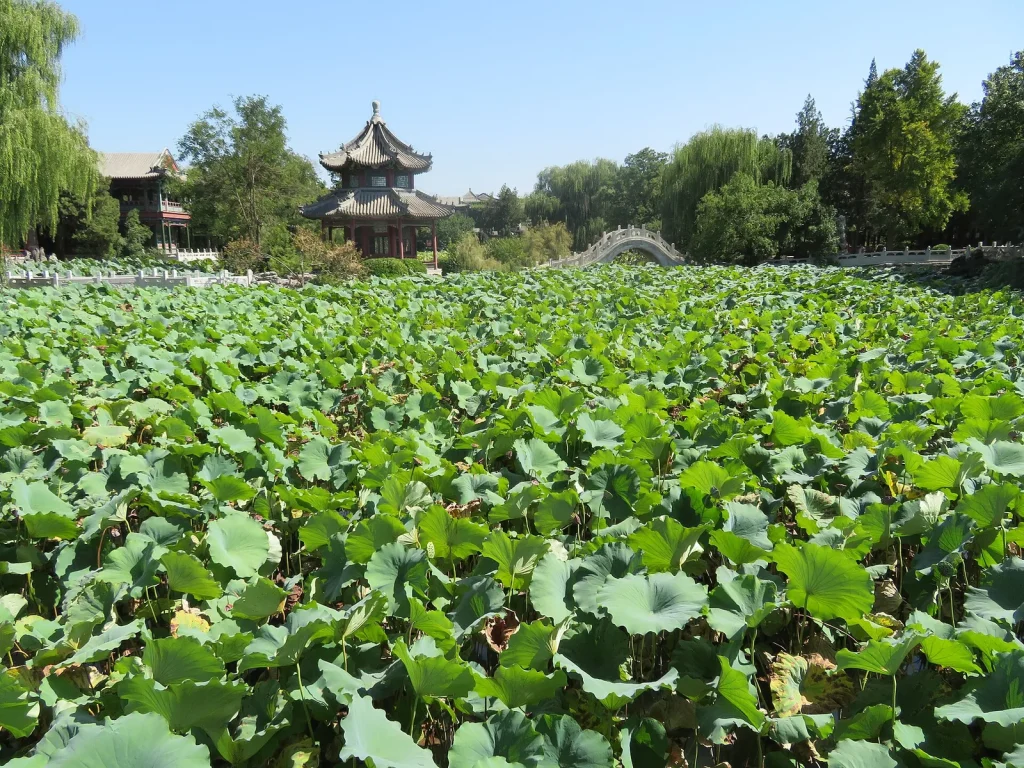
Best season: lotus flowers or old-garden atmosphere?
Summer is the obvious season if you want lotus scenery. The exact bloom condition changes with weather, heat, and garden maintenance, so check recent local photos before planning a trip only for flowers. Late spring and early autumn are often more comfortable for walking. Winter is quieter and less colorful, but the garden can still be interesting if you care about pavilions, bridges, stonework, and the shape of the water space.
If your goal is photography, avoid assuming that midday is best. Morning light can be softer around the water, while late afternoon may give warmer pavilion views. In hot months, morning also keeps the visit more comfortable. If you are combining Ancient Lotus Pond with a food route, a good pattern is garden first, lunch second, then an old-city walk or museum-style stop.
What to look for inside the garden
The garden rewards a slower sequence. Start with the water and bridge views so you understand the layout. Then look for the pavilions and covered spaces that frame the pond. After that, pay attention to plaques, stone inscriptions, and courtyard areas. Even if you do not read Chinese, these parts show that the site is tied to education and cultural memory, not just scenery.
- Bridge views: the easiest way to photograph water, lotus leaves, and traditional architecture together.
- Pavilions: good places to pause and understand how the garden is composed.
- Stele courtyards: useful for visitors interested in calligraphy, local history, and academy culture.
- Seasonal water scenery: strongest in warm months, but still meaningful as part of the garden design.
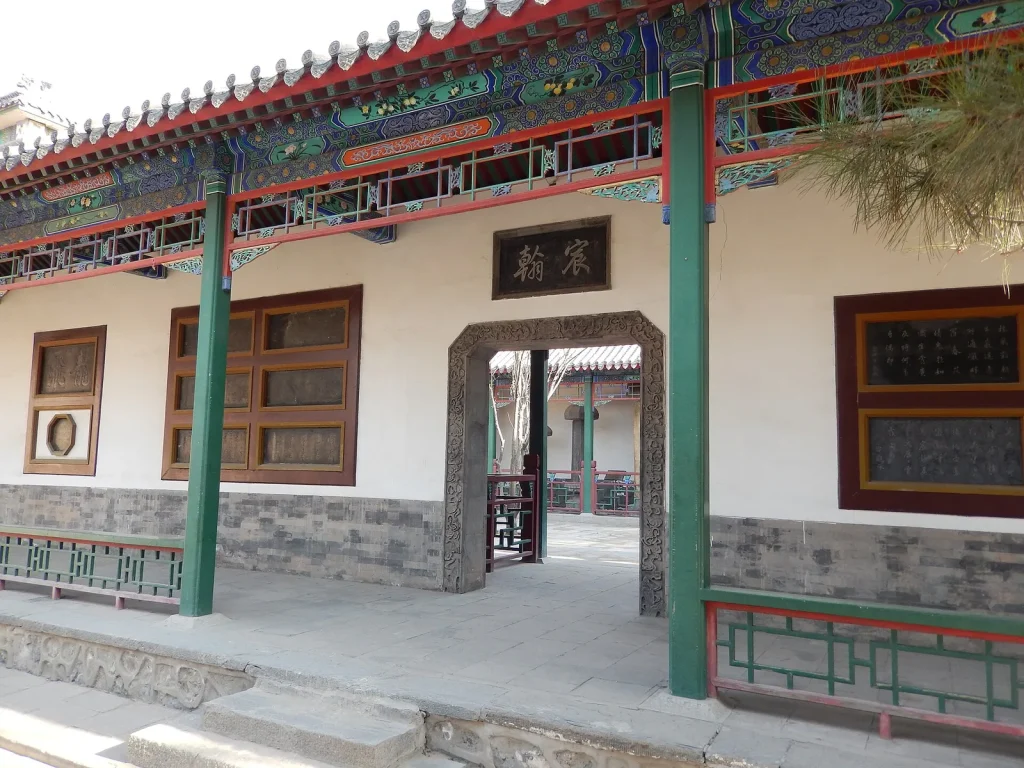
How to fit Ancient Lotus Pond into a Baoding day
Ancient Lotus Pond works best as part of a compact Baoding old-city route. A practical first-time plan is to start with the garden, continue to nearby historic streets or administrative heritage sites, then finish with local food. If you want a broader city overview, pair this article with the things to do in Baoding guide rather than treating the garden as the whole city.
Food is a strong reason to stay in Baoding longer. After the garden, many visitors will naturally look for donkey burger, baozi, noodles, or local snacks. The Baoding food guide is a better next read if you want the day to feel local instead of just scenic.
Transport and route planning
From Beijing, Baoding is much easier as a high-speed rail or regular rail trip than as a vague road journey. Check which Baoding station your train uses, because station choice affects transfer time. Once in the city, use the Chinese name 古莲花池 in map apps. Taxis and ride-hailing are usually simpler than planning around old English bus information, especially if you are carrying luggage or combining several stops.
If you are building a two-day Baoding area route, Ancient Lotus Pond can sit on the city day, while Baiyangdian Lake or the Western Qing Tombs should be planned separately. Trying to force all three into one day makes the travel time do too much work and weakens the visit.
Visitor tips before you go
- Use 古莲花池 in Chinese map apps for more reliable navigation.
- Check current opening hours and ticketing locally before departure, especially around holidays.
- Go earlier in the day in summer to avoid heat and stronger crowds.
- Do not rely only on lotus season; the garden has architectural and historical value outside bloom time.
- Pair the garden with Baoding food or old-city walking rather than a rushed long-distance transfer.
References and image sources
For historical context, useful non-commercial references include China Daily’s Old Lotus Pond article and China Culture’s private garden overview. Page images use Wikimedia Commons files including Baoding Ancient Lotus Pond bridge, Ancient Lotus Pond in autumn, and Courtyard of steles.
Baishi Mountain Guide: Laiyuan Marble Peaks, Hiking Pace and Day-Trip Planning
Plan a thoughtful Baishi Mountain visit from Laiyuan with real trail scenes, marble-peak context, weather-aware pacing, practical preparation,…
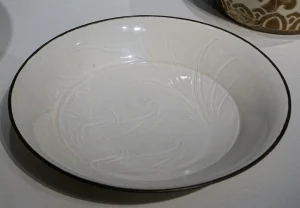
Ding Kiln Ruins Quyang Guide: Song White Porcelain, Archaeology and Museum Context
Plan a thoughtful Ding Kiln Ruins visit in Quyang: Song porcelain, the Jianzi archaeological landscape, protection-aware planning, and…
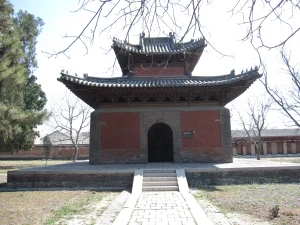
Beiyue Temple Quyang Guide: Northern Sacred Peak Rituals, Dening Hall and Stone Art
Plan a thoughtful Beiyue Temple visit in Quyang with ancient Northern Sacred Peak ritual context, Dening Hall, stone…
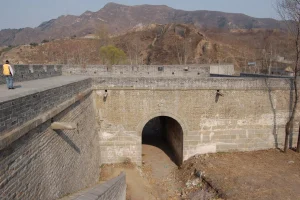
Zijingguan Pass Great Wall Guide: Yixian Gate, Valley Setting and Respectful Visits
Plan a thoughtful Zijingguan Pass visit in Yixian: Great Wall history, the Taihang mountain setting, protection-aware access, and…

Mancheng Han Tombs Guide: Jade Burial Suits, Archaeology and a Thoughtful Baoding Visit
Understand the Mancheng Han Tombs near Baoding: the Lingshan archaeological site, the famous jade burial suits, museum context,…
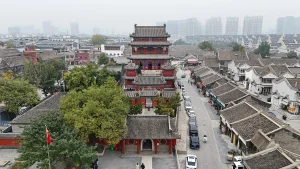
Daci Pavilion Baoding Guide: Old City Landmark, Respectful Visits and Walking Route
Plan a Daci Pavilion stop in Baoding with old-city context, respectful visit advice, practical route links, and current-access…