
Dajingmen Great Wall Guide in Zhangjiakou: Gate, Trade Route and Beijing Train Tips
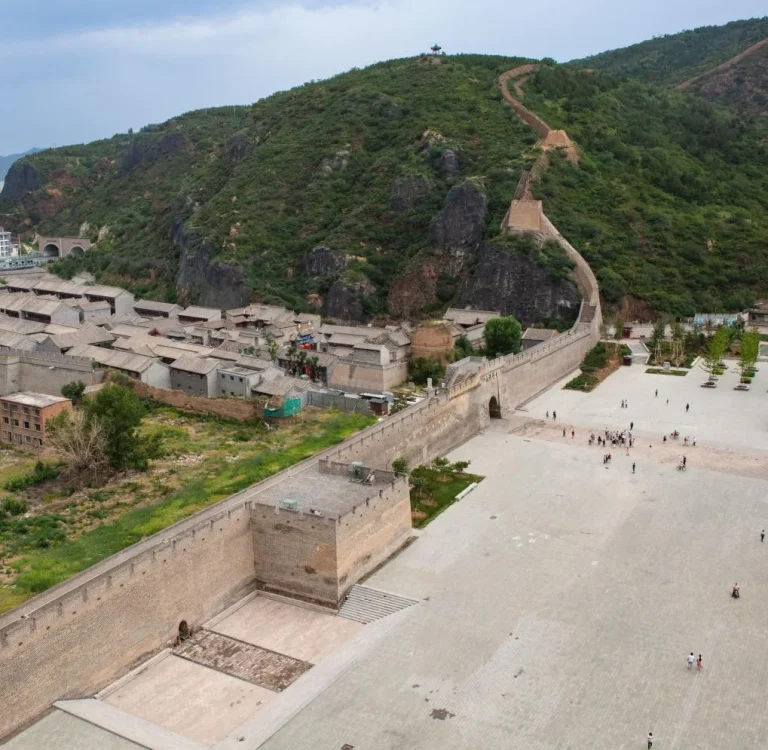
Dajingmen is the Zhangjiakou Great Wall stop that foreign travelers should understand before they treat the city as only a ski or train-transfer destination. The gate sits at the northern edge of Zhangjiakou’s urban area, where the wall climbs into the surrounding mountains and where the old trade route toward the grasslands once helped shape the city. It is compact, visual, historically meaningful, and much easier to fit into a Zhangjiakou stay than a remote full-day wall hike.
This guide focuses on Dajingmen itself. Use the broader Zhangjiakou travel guide for city planning, the Beijing to Zhangjiakou high-speed train guide for rail logistics, and the Zhangbei Grassland Road guide if you want to turn the trip into a northern Hebei scenery weekend.
Quick Planning Snapshot
- Best for: Great Wall heritage, Zhangjiakou city history, Zhangku trade-route context, photography, and a short cultural stop after arriving by train.
- Best base: Zhangjiakou city. It is easier from the city than from Chongli or Zhangbei.
- Time needed: about half a day if you include the gate, wall views, old-street context, photos, and transport buffer.
- Best pairing: Dajingmen plus Zhangjiakou city food or museum-style stops, or Dajingmen before a separate grassland or Chongli day.
- Before going: verify current opening rules, ticketing, local traffic, and weather close to your travel date.
Why Dajingmen Matters
Dajingmen is not just another wall gate. Xinhua’s Great Wall reporting describes it as a famous pass at the northern end of Qiaoxi District in Zhangjiakou and notes that it has been called the “First Gate of the Great Wall” by the Chinese architectural historian Luo Zhewen. Its value comes from the word “men” or gate: this was not only a defensive place, but also a symbolic opening between the Central Plains, the grasslands, and the old Zhangku trade route.
That is why Dajingmen is useful for foreign travelers. It explains Zhangjiakou better than a generic viewpoint. The city was not only a winter-sports host city or a high-speed rail stop. It was also shaped by frontier geography, Great Wall defenses, and trade routes connecting people, goods, and cultures across northern China.
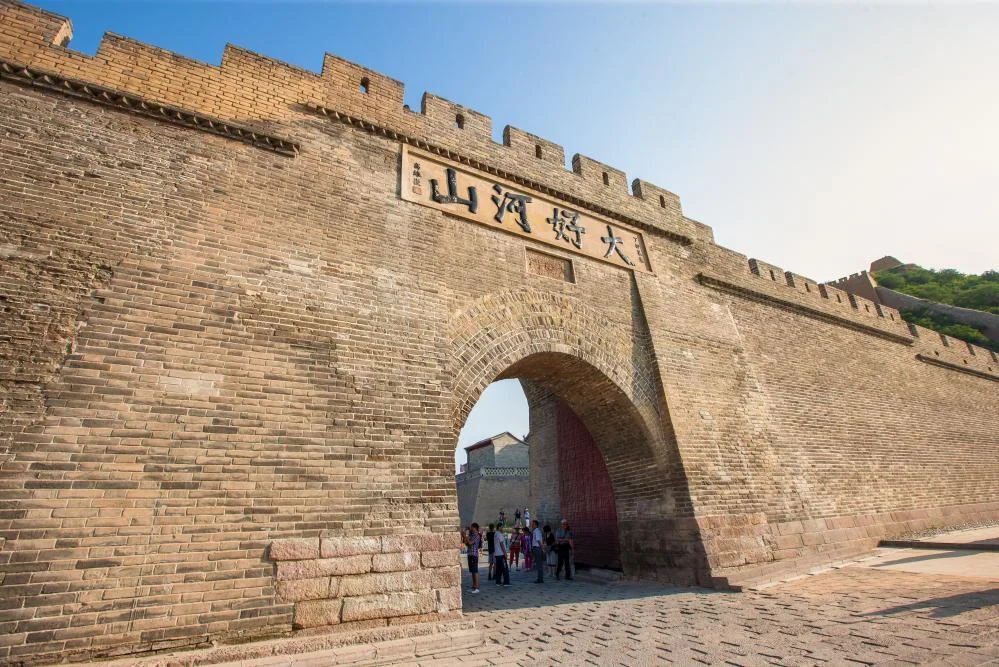
The inscription above the gate reads “Da Hao He Shan” or “Great Rivers and Mountains”. It is one of the reasons the gate photographs well, but the deeper story is the combination of wall, gate, mountain, city, and trade route. If you only take a gate photo and leave, the stop is too shallow. Give it enough time to read the setting.
How to Visit from Beijing or Zhangjiakou
The simplest route for most visitors is Beijing to Zhangjiakou by high-speed train, then local taxi or ride-hailing to Dajingmen. Do not assume Dajingmen is a train-station walk. Treat it as a short city transfer after arrival, and keep screenshots of the Chinese name 大境门 for the driver.
If you are staying in Zhangjiakou city, Dajingmen can work as a morning or late-afternoon stop. If you are staying in Chongli, it is better to visit Dajingmen on the way in or out of Zhangjiakou city rather than forcing a separate round trip. Use the Chongli travel guide only when your trip includes ski resorts, mountain air, or resort hotels; Dajingmen itself belongs more naturally to the city-history side of Zhangjiakou.
For train planning, verify the current schedule through China Railway before booking. Zhangjiakou Station is usually the practical city gateway, but exact arrival time matters. If you arrive late in the day, save Dajingmen for the next morning rather than rushing a short visit in fading light.
Suggested Half-Day Route
- Start in Zhangjiakou city: confirm the ride-hailing destination as 大境门, not just “Great Wall”.
- Visit the gate area: look at the inscription, brickwork, statues, and how the passage sits between city and mountains.
- Walk for wall context: if access and conditions allow, use the nearby wall and higher viewpoints to understand the landscape.
- Add old-route context: connect the gate with Zhangku trade-route history rather than treating it as only a photo stop.
- Return with buffer: avoid making Dajingmen the final stop before a tight train departure.
Dajingmen, Jinshanling or Shanhaiguan?
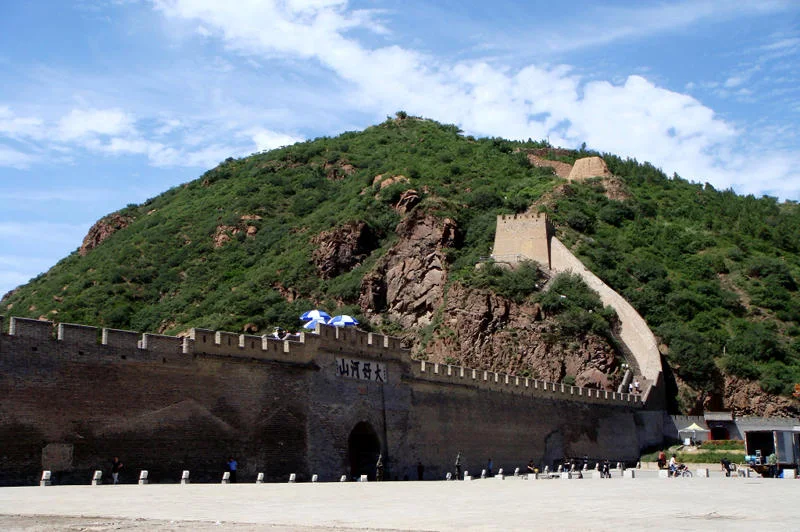
Dajingmen is a city-based Great Wall gate. Jinshanling is a stronger hiking day. Shanhaiguan is stronger for the wall meeting the sea and old pass-city context. Dajingmen should not be compared only by wall length or hiking difficulty. Its value is that it helps explain Zhangjiakou’s location and history in a compact format.
If you have only a short stop in Zhangjiakou, choose Dajingmen. If you have a full hiking day and can manage longer logistics, choose Jinshanling. If your trip is based in Qinhuangdao, choose Shanhaiguan or Laolongtou. The broader Hebei Great Wall guide is useful when you are still deciding between sections.
Best Time and Weather
Spring and autumn usually give the most comfortable walking weather. Summer can be clear and photogenic, but sun and heat can make climbing sections feel harder. Winter can be atmospheric in Zhangjiakou, but wind, ice, and short daylight can change the visit. Check the forecast for Zhangjiakou city, not only Beijing.
For photography, morning or late afternoon is usually better than harsh midday light. If you want to combine Dajingmen with Zhangbei Grassland Road, do not force both into one hurried day unless you have a private driver and a clear route. Dajingmen is compact, but the wider Zhangjiakou area is not small.
Practical Tips for Foreign Visitors
- Save the Chinese names 大境门, 张家口站, 桥西区, and 张库大道 before departure.
- Carry your passport for train travel and hotel check-in; review the foreign tourist documents guide if this is your first Hebei route.
- Use Dajingmen as a history stop, not only a quick selfie stop.
- Wear shoes suitable for stone steps and uneven surfaces if you plan to walk beyond the flat gate area.
- Check current opening hours and ticketing because scenic-area rules can change.
- Choose a Zhangjiakou city hotel if Dajingmen is central to the plan; see the Hebei hotel guide for area-selection logic.
- Avoid tight train departures after the visit; city traffic and ride-hailing wait times can vary.
How It Fits into a Zhangjiakou Weekend
A practical two-day route could be Beijing to Zhangjiakou by train, Dajingmen and city history on day one, then Chongli or Zhangbei scenery on day two. If the trip is in summer, Zhangbei Grassland Road adds open highland scenery. If the trip is in winter, Chongli may become the stronger second day. If the trip is only a single day, keep Dajingmen as the anchor and do not overload the schedule.
This is also why Dajingmen deserves its own article. It is not large enough to replace a full Zhangjiakou guide, but it is specific enough to answer a real search query: what is Dajingmen, how do I visit it from Beijing or Zhangjiakou, and how does it fit with other northern Hebei routes?
References and Current Checks
For historical context, cross-check Xinhua’s Great Wall feature on Dajingmen and the Zhangku trade route, and use UNESCO’s Great Wall World Heritage page for broader heritage context. For current trains, verify schedules through China Railway 12306. Wikimedia Commons license pages for the older gate photos include Dajingmen wall view and related Dajingmen images.
Zhangbei Grassland Road Guide: Grass Skyline, Wind Farms and Zhangjiakou Weekend Tips
Plan Zhangbei Grassland Road in Zhangjiakou with self-drive timing, grassland scenery, wind farms, Beijing links, seasons, hotels, and…
Yuzhou Ancient City Guide: Yuhuang Pavilion, Nan’an Pagoda and a Half-Day Walk
Walk through Yuxian's old city from Yuhuang Pavilion to Nan'an Pagoda, with architectural details, a half-day route and…
Zhangjiakou Fortress Guide: Buzili Old Town, Trade Streets and Museum Stops
Explore Zhangjiakou Fortress, known locally as Buzili, with its walls, former banks, Yuhuang Pavilion, museum stops, trade history,…
Nuanquan Ancient Town and Dashuhua Guide: Yuxian Fortress Walks and Fire-Flower Shows
Plan Nuanquan Ancient Town in Yuxian with Xigubao walking context, Dashuhua fire-flower show checks, respectful viewing advice, and…
Xuanhua Ancient City Guide: Qingyuan Tower, Old Streets and Zhangjiakou Trip Tips
Plan Xuanhua Ancient City in Zhangjiakou with Qingyuan Tower, old streets, train links, grape heritage, Dajingmen pairing, seasons,…
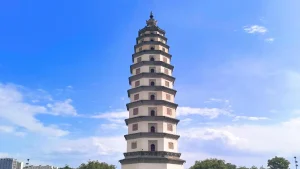
Dingzhou Kaiyuan Temple Pagoda Guide: Liaodi Pagoda, Old City and Train Tips
Plan Dingzhou Kaiyuan Temple Pagoda with Liaodi Pagoda history, old-city route ideas, photo priorities, Beijing train logic, timing,…