
Tangshan Nanhu Park Guide: Lake Walks, Urban Renewal and Beijing Train Tips
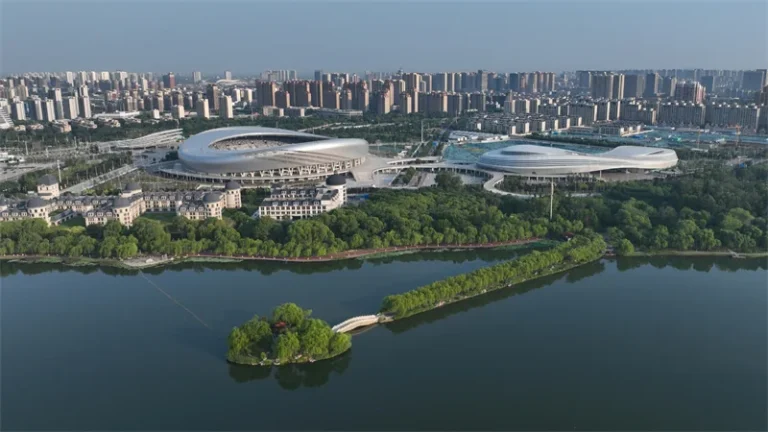
Tangshan Nanhu Park is one of the most practical city-nature stops in eastern Hebei. It gives foreign travelers a different way to understand Tangshan: not only as an industrial city, a railway stop, or a place remembered for the 1976 earthquake, but also as a city that has turned a former coal-mining subsidence area into a large lake-and-green-space destination. For a visitor coming from Beijing, it works best as a relaxed half-day or full-day anchor inside a Tangshan city trip.
This guide narrows the focus to Nanhu Park itself. Use the broader Tangshan day trip guide for the full city route, the Beijing to Tangshan train guide for transport planning, and the Zunhua Eastern Qing Tombs guide if you want to extend Tangshan into a heritage-focused overnight trip.
Quick Planning Snapshot
- Best for: lake walks, city views, easy photography, urban renewal context, relaxed family time, and a softer Tangshan day.
- Best base: Tangshan city, especially if you are arriving by high-speed train from Beijing or Tianjin.
- Time needed: two to four hours for a simple walk, or half a day if you include slow breaks, photos, and nearby city stops.
- Best pairing: Nanhu Park plus Tangshan Earthquake Memorial or a simple city food stop. Do not force it into a rushed multi-city day.
- Before going: verify current opening areas, event schedules, weather, and local transport close to the travel date.
Why Nanhu Park Deserves Its Own Guide
Nanhu Park is often reduced to one line in Tangshan itineraries: “go to the lake park.” That misses why the place is useful for travel planning. The park is not only a green space. It is also part of Tangshan’s post-industrial and ecological-renewal story. State media and official English coverage describe the park as developing from a former coal-mining subsidence area into a central ecological park, which gives the visit more meaning than a normal urban lake walk.
For foreign travelers, this matters because Tangshan can be difficult to read quickly. The city is modern, industrial, historically heavy, and not as internationally familiar as Beijing, Chengde, or Qinhuangdao. Nanhu Park gives a gentle first impression: water, gardens, city skyline, family activity, and a visible example of how Tangshan has rebuilt and reoriented parts of its urban space.
It is also easy to combine with practical travel. You can arrive by train, leave luggage at a hotel, spend several hours around the lake, and still have time for a memorial or food stop. That makes Nanhu Park more useful than many scenic names that look attractive on a map but require long transfers.
How to Get There from Beijing or Tangshan Station
Most visitors should first check trains from Beijing to Tangshan, then decide whether Nanhu Park is the first stop after arrival or part of an afternoon city route. Tangshan has several transport nodes and urban districts, so do not plan only by city name. Check the exact station, hotel location, and ride time before assuming the park is close enough for a tight transfer.
If you are coming from Beijing, a same-day Tangshan trip is possible, but an overnight stay gives a calmer route. A practical plan is train arrival, hotel check-in or luggage drop, Nanhu Park in the afternoon, dinner, then memorial or old-city-style stops the next morning. Use the Beijing to Hebei train planning guide if this is one of several Hebei side trips.
Save the Chinese names 唐山南湖, 南湖公园, 唐山站, and 唐山南站 before departure. Ride-hailing apps and hotel staff will respond faster to Chinese names than to an English phrase such as “Tangshan South Lake Park”.
What to Do in Nanhu Park
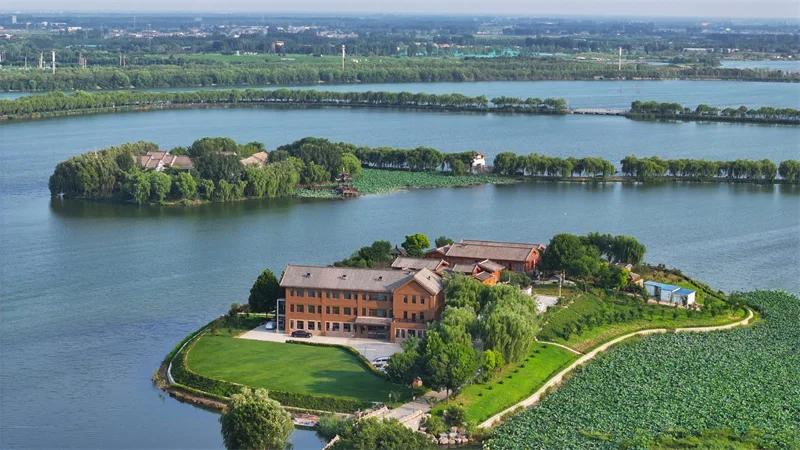
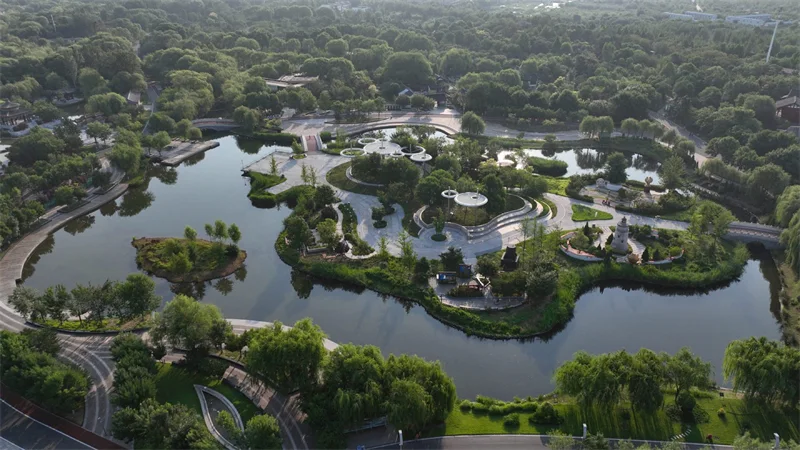
Nanhu Park is best used slowly. Start with a lake walk, then choose a section based on weather and energy. On a clear day, the best experience is not to rush from landmark to landmark, but to use the lake, bridges, islands, gardens, and city skyline as a relaxed urban landscape. If there is an event, flower display, or evening lighting arrangement, check the current schedule rather than assuming it runs every day.
For photography, late afternoon usually gives softer light and more comfortable walking. Midday can be harsh in summer, especially around open water and large paved areas. If the trip includes children or older travelers, plan shorter walking loops and use rest stops. The park is large enough that a “quick look” can become tiring if you keep walking without a return plan.
Suggested Half-Day Route
- Start after lunch or hotel check-in: avoid carrying luggage around the park if possible.
- Walk a lake section first: use the water and skyline to get oriented before adding smaller garden areas.
- Pause for photos: choose fewer viewpoints and spend more time at each one instead of rushing the whole park.
- Add a nearby city stop: pair Nanhu with food, a memorial, or a simple evening walk rather than another distant attraction.
- Leave before transport gets tight: keep buffer time for ride-hailing, train departure, or hotel return.
How to Pair Nanhu with Other Tangshan Stops
The cleanest pairing is Nanhu Park plus the Tangshan Earthquake Memorial, because the two stops show different sides of the same city: public memory and urban renewal. Do not treat that pairing lightly. The memorial side requires a respectful pace, while Nanhu is better for decompression and an easier walk afterward.
If you have more time, use Tangshan as a base for Zunhua’s Eastern Qing Tombs, but keep it as a separate day. The tombs are not a casual add-on after a lake walk. If your Hebei route is moving east-west, compare Tangshan with Cangzhou’s Grand Canal and Iron Lion route; both are city-based Hebei stops, but Tangshan’s Nanhu angle is more about modern renewal and lake landscape.
Best Time and Weather
Spring and autumn are usually the most comfortable seasons for walking. Summer can be green and lively, but it may also be hot and humid around open water. Winter can still work for a short city walk, but Nanhu is less attractive if the weather is gray, windy, or icy. Check the forecast for Tangshan specifically, not only Beijing.
If you are visiting primarily for photography, choose a clear day and avoid rushing the park at noon. If you are using Nanhu as a family or rest stop, comfort matters more than dramatic light. In either case, keep your plan flexible because park events, maintenance, and seasonal displays can change.
Practical Tips for Foreign Visitors
- Carry your passport for train travel and hotel check-in; review the foreign tourist documents guide if this is your first Hebei trip.
- Choose a Tangshan city hotel with convenient ride-hailing access; use the Hebei hotel guide for broader area-selection logic.
- Bring sun protection in summer because lake areas can feel exposed.
- Do not plan the park as a tight transfer stop if you have luggage.
- Check whether there are temporary events, flower shows, or evening lighting before planning around them.
- Use Chinese names in map apps: 唐山南湖 and 南湖公园.
Who Should Choose Nanhu Park?
Choose Nanhu Park if you want a relaxed Tangshan stop with water, greenery, and city context. It is a good fit for travelers who are already passing through Tangshan by train, families who need an easy outdoor space, and visitors who want a lighter counterbalance to the city’s heavier industrial and earthquake-related history.
Do not choose it as your only reason to travel far across Hebei if you dislike city parks. Nanhu is strongest when it sits inside a practical Tangshan plan: train arrival, lake walk, food, memorial, or an overnight route toward Zunhua. Its value is not extreme scenery; it is accessibility, urban renewal, and a calm way to read Tangshan.
References and Current Checks
Before traveling, verify train schedules through China Railway 12306 and check current local information through the Tangshan municipal government site. The park-renewal context and real photos used here are cross-checked from Xinhua coverage republished on the State Council English website.

Beijing to Tangshan Train Guide: Stations, Tickets and Day Trip Planning
Plan a Beijing to Tangshan train trip with station checks, ticket tips, Tangshan day-trip ideas, Nanhu Park, the…
Zunhua Eastern Qing Tombs Day Trip from Beijing or Tangshan
Plan a Zunhua Eastern Qing Tombs day trip from Beijing, Tangshan or Chengde with route timing, imperial tomb…
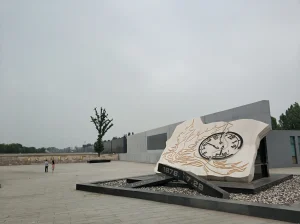
Tangshan Earthquake Memorial Park Guide: Museum, Memorial Wall and 1976 Ruins
Visit Tangshan Earthquake Memorial Park with context: the memorial wall, preserved industrial ruins, the 2026 museum reopening and…
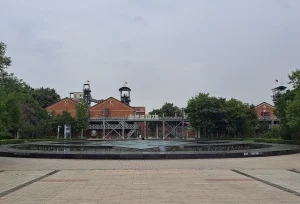
Kailuan National Mine Park Guide: Tangshan Industrial Heritage and Underground Visits
Plan a Kailuan National Mine Park visit in Tangshan with industrial-heritage context, underground-route expectations, current-access checks, and links…
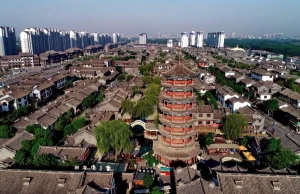
Luanzhou Ancient City Tangshan Guide: Canal Streets, Night Walks and Route Tips
Plan Luanzhou Ancient City in Tangshan with canal-street views, reconstructed old-town context, night-walk ideas, Beijing route logic, and…
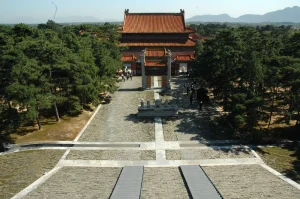
Eastern Qing Tombs Guide: Zunhua Imperial Tombs, Sacred Way and Beijing Route Tips
Plan Eastern Qing Tombs in Zunhua with Qing imperial history, Sacred Way priorities, Beijing and Tangshan route tips,…