
Nuanquan Ancient Town and Dashuhua Guide: Yuxian Fortress Walks and Fire-Flower Shows
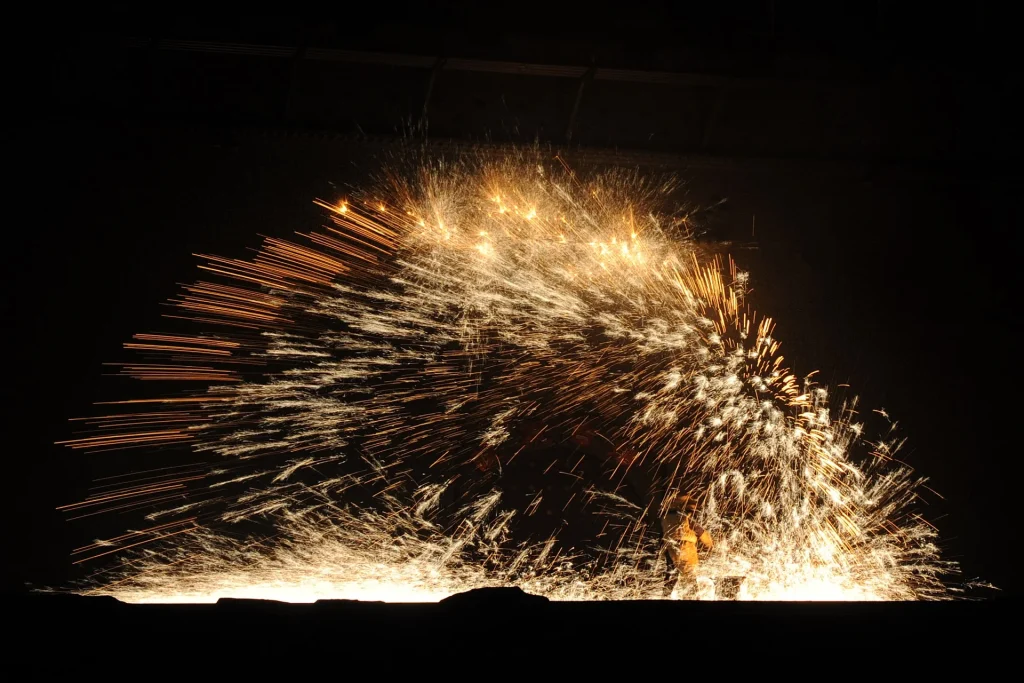
Nuanquan Ancient Town in Yuxian is one of Hebei’s most distinctive evening-and-old-town experiences. Its attraction is not a single modern attraction gate: it is the combination of fortress lanes, courtyards, local craft traditions, and Dashuhua, the controlled fire-flower performance in which trained practitioners throw molten iron against a brick wall to create a shower of sparks.
For international travelers, the best plan is simple. Walk the historic fort area in daylight, slow down for the gates and alleys of Xigubao, have an early meal, and only make an evening performance the centerpiece if you have confirmed that it is scheduled for your visit. Do not build transport, accommodation, or a late-night return around an old show timetable.
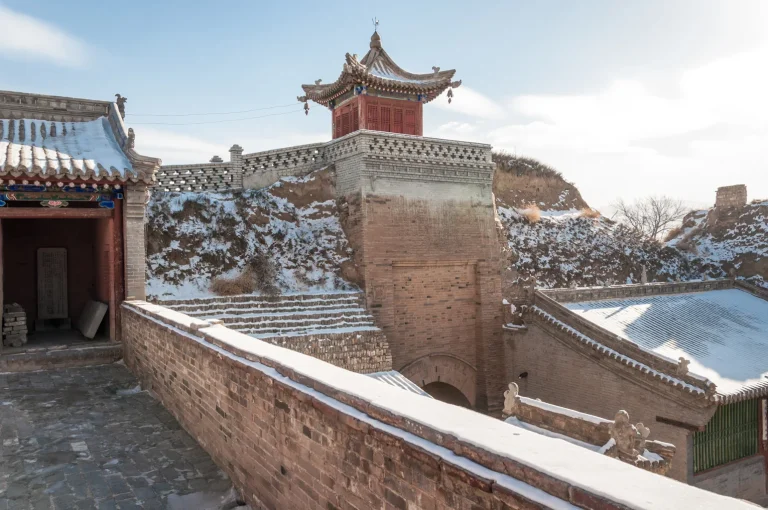
What makes Nuanquan different
Nuanquan is a historic town rather than a rebuilt theme street. The Hebei cultural-tourism authority identifies it as a national historic and cultural town with a long-established fortress-and-lane pattern, and notes that Xigubao is among the best-preserved parts of the town. That physical setting gives the visit substance before the evening performance begins.
Dashuhua is the other reason travelers seek out Nuanquan. The Ministry of Culture and Tourism describes it as a local festival folk practice with more than 300 years of history and national intangible-cultural-heritage status. Its visual impact is extraordinary, but it is not a casual fireworks display or a visitor activity: it is a professionally managed high-temperature performance, viewed from the designated audience area.
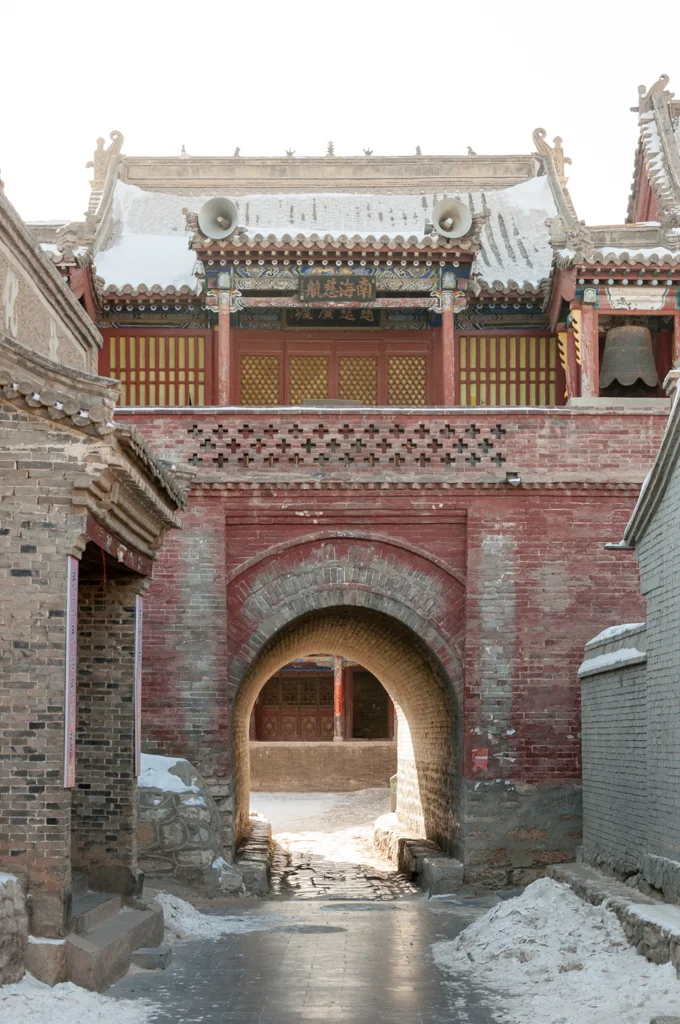
A practical day-to-night plan
Arrive with enough daylight
Give the old town time before any evening event. Start with the main gate and lanes, notice the fort-like walls and courtyard scale, and allow room to pause rather than treating Xigubao as a corridor to the show. Some spaces may be private homes, religious sites, or temporarily closed; follow local signs, avoid entering residential courtyards without invitation, and ask before close portraits of residents.
Confirm Dashuhua before committing
Performance dates, start times, venue arrangements, weather decisions, seating, and ticket rules can change. Check a current official Yuxian or Nuanquan visitor notice shortly before travel. If the show is not operating, the old-town walk and local food can still justify a slower visit; do not assume an unscheduled performance will be added because you have arrived.
Plan the return before dark
Nuanquan is in Yuxian, not at the center of Zhangjiakou city. Begin with the Beijing to Zhangjiakou train guide for the rail leg, then arrange the local connection to Yuxian after confirming the evening plan. A late performance and a same-night transfer can be a poor combination, so consider staying locally or keeping a conservative return arrangement.
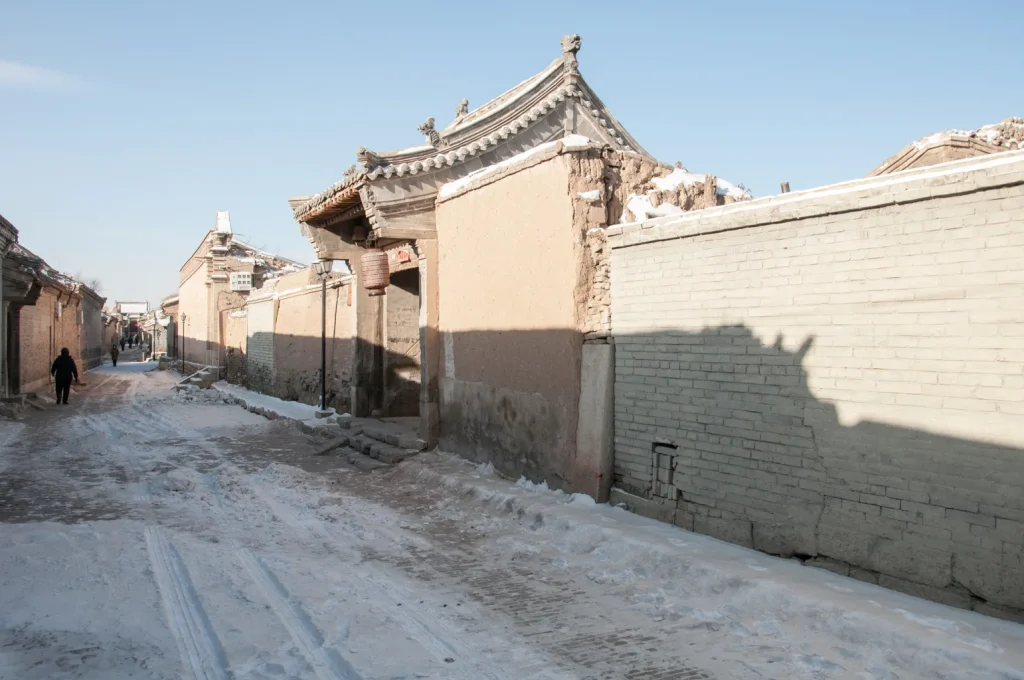
How to watch Dashuhua responsibly
- Stay in the audience area: never approach the work zone, brick wall, equipment, or performers.
- Follow staff instructions: high heat, sparks, wind, and crowd movement require the site’s rules to take priority.
- Protect your camera without obstructing others: use a secure strap and avoid holding a screen above other viewers for the entire performance.
- Dress for a cool evening: northern Hebei nights can feel much colder than the daytime walk, especially outside peak summer.
- Do not treat the craft as a stunt: it is an inherited folk practice carried out by trained practitioners, not an activity for visitors to copy.
How it fits a wider Zhangjiakou trip
Nuanquan works best as a dedicated Yuxian night or as part of a slower Zhangjiakou-region trip. The Zhangjiakou travel guide from Beijing helps set the wider regional context, while the Xuanhua Ancient City guide and Dajingmen Great Wall guide are better treated as separate daytime priorities. Avoid trying to combine all of them with a Dashuhua night in one rushed day.
Official references and current checks
For Nuanquan’s historic-town context, Xigubao, and the local folk tradition, see the Hebei Department of Culture and Tourism overview. For Dashuhua’s heritage background, see the Ministry of Culture and Tourism route profile. A 2026 report from the Beijing municipal portal documents a recent Nuanquan performance, but it is not a future schedule: consult the current official report only as context and verify operating details directly before travel.
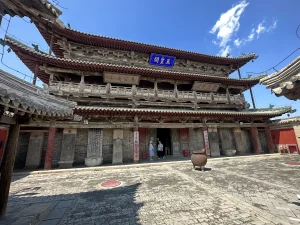
Yuzhou Ancient City Guide: Yuhuang Pavilion, Nan’an Pagoda and a Half-Day Walk
Walk through Yuxian's old city from Yuhuang Pavilion to Nan'an Pagoda, with architectural details, a half-day route and…
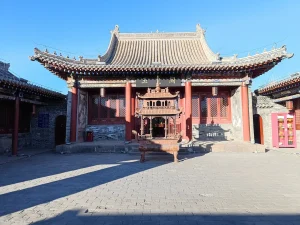
Zhangjiakou Fortress Guide: Buzili Old Town, Trade Streets and Museum Stops
Explore Zhangjiakou Fortress, known locally as Buzili, with its walls, former banks, Yuhuang Pavilion, museum stops, trade history,…
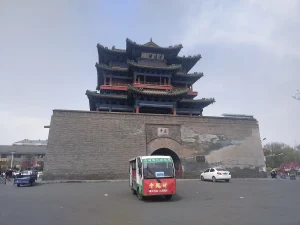
Xuanhua Ancient City Guide: Qingyuan Tower, Old Streets and Zhangjiakou Trip Tips
Plan Xuanhua Ancient City in Zhangjiakou with Qingyuan Tower, old streets, train links, grape heritage, Dajingmen pairing, seasons,…
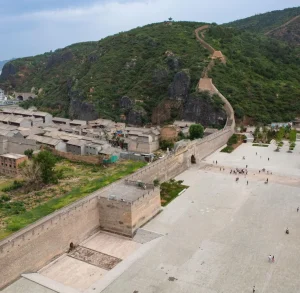
Dajingmen Great Wall Guide in Zhangjiakou: Gate, Trade Route and Beijing Train Tips
Plan Dajingmen in Zhangjiakou with Great Wall history, Zhangku trade route context, Beijing train links, walking tips, seasons,…

Zhangbei Grassland Road Guide: Grass Skyline, Wind Farms and Zhangjiakou Weekend Tips
Plan Zhangbei Grassland Road in Zhangjiakou with self-drive timing, grassland scenery, wind farms, Beijing links, seasons, hotels, and…
Cangzhou Museum Guide: Grand Canal, Acrobatics and Local History
Explore Cangzhou Museum through its city-history, Grand Canal and Wuqiao acrobatics galleries, with exhibit highlights, booking checks and…