
Xuanhua Ancient City Guide: Qingyuan Tower, Old Streets and Zhangjiakou Trip Tips
Xuanhua Ancient City is a useful Zhangjiakou stop for travelers who want history without turning the day into a long mountain drive. It sits southeast of central Zhangjiakou and has a different mood from Dajingmen, Chongli, or Zhangbei Grassland Road. Instead of ski resorts or open grassland, Xuanhua is about old city structure, towers, streets, military history, transport history, and the local grape-growing culture that makes the district more than a simple transfer point.
This guide focuses on Xuanhua itself. Use the broader Zhangjiakou travel guide for city-level planning, the Beijing to Zhangjiakou train guide for rail logistics, and the Dajingmen Great Wall guide if you want to pair Xuanhua with Zhangjiakou’s most symbolic wall gate.
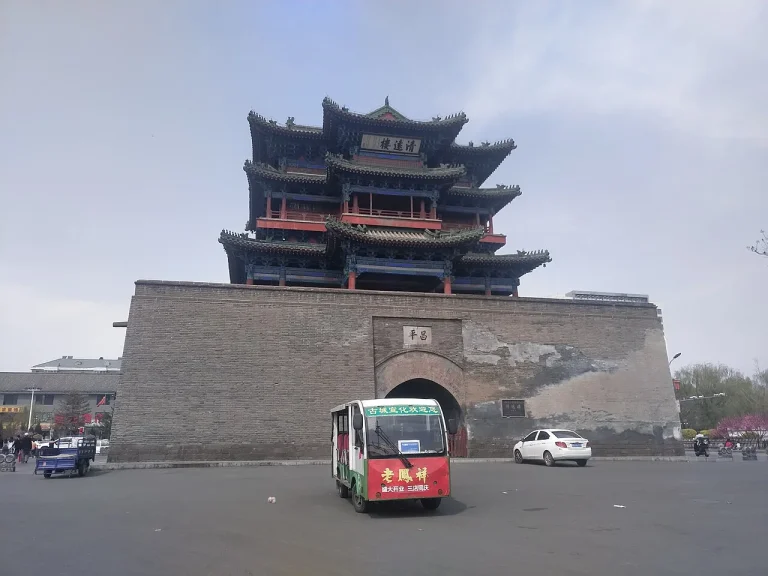
Quick Planning Snapshot
- Best for: old city towers, Ming-era military context, quiet streets, grape heritage, and a slower Zhangjiakou history day.
- Best base: Zhangjiakou city or Xuanhua itself, depending on train timing and hotel comfort.
- Time needed: half a day for the core old-city walk; a full day if adding Dajingmen or grape-related stops.
- Best pairing: Xuanhua plus Dajingmen for history, or Xuanhua plus Zhangbei if your second day is scenery-focused.
- Before going: verify current tower access, opening rules, local transport, and hotel passport registration.
Why Xuanhua Is Worth a Separate Guide
Xuanhua is often mentioned only in passing when people talk about Zhangjiakou. That is understandable, because most international travelers first notice high-speed rail, Chongli ski resorts, Dajingmen, or the grassland routes farther north. But Xuanhua has a different kind of value. It works as an old-city layer inside the Zhangjiakou cluster: compact enough for a half day, but historically rich enough to deserve more than one sentence in a general guide.
The old city is associated with northern frontier defense, city-wall remains, bell and drum tower landmarks, and the historical name Xuanfu. For a foreign visitor, the easiest way to understand it is not to memorize dynasties first. Start with the urban logic: towers, gates, streets, military geography, and the route between Beijing, Zhangjiakou, and the northern frontier.
Xuanhua also adds a softer cultural angle. The district is known for grape growing, and the Xuanhua urban vineyard system appears in FAO’s Globally Important Agricultural Heritage Systems listings. That does not mean every visitor should chase a vineyard stop, but it does help explain why Xuanhua can be framed as more than stone architecture. It has agricultural heritage, old urban texture, and Zhangjiakou history in the same area.
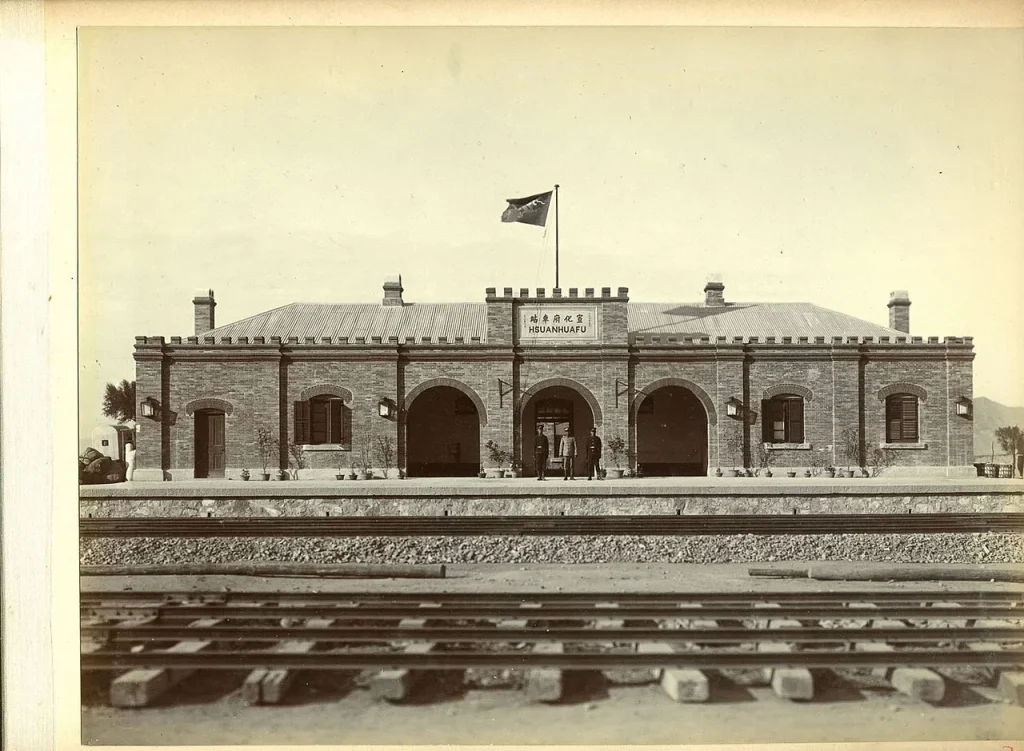
How to Get There from Beijing or Zhangjiakou
For most visitors, Xuanhua is easiest as part of a Zhangjiakou-based trip. Check current trains first, then decide whether to sleep in Zhangjiakou city, Xuanhua, or another route base. Beijing to Zhangjiakou high-speed trains make the wider region more practical than it used to be, but the final local transfer still matters. Do not assume every station choice is equally convenient for Xuanhua’s old-city core.
If you are already in Zhangjiakou city, Xuanhua can work as a half-day side trip by local transport or hired car. If you are coming from Beijing, it is better to treat Xuanhua as part of a one-night Zhangjiakou itinerary rather than forcing a tight same-day run with too many stops. A smoother plan is train arrival, Xuanhua or Dajingmen on day one, then Zhangbei or Chongli on day two.
Save the Chinese names 宣化古城, 清远楼, 镇朔楼, 张家口站, and 宣化 before departure. A driver or hotel front desk may understand the Chinese names faster than English descriptions such as “Xuanhua Ancient City”.
What to Prioritize in Xuanhua Ancient City
Start with Qingyuan Tower because it gives the clearest old-city landmark and the best visual anchor. Then use the surrounding streets to understand the old urban layout. If Zhenshuo Tower, old wall sections, or other heritage points are open and convenient, add them slowly. The mistake is to rush between names without noticing how the towers, streets, and city axis fit together.
Foreign travelers should also be realistic about interpretation. English signs may be limited, and some sites may not function like highly managed scenic areas in Beijing or Xi’an. That is not necessarily a weakness. Xuanhua’s appeal is its quieter regional character. Use translation tools, take your time, and pair the old-city walk with a broader Zhangjiakou history route.
Suggested Half-Day Route
- Start with Qingyuan Tower: use it as the landmark for the old-city walk and take time for the tower, plaque, and street setting.
- Walk the nearby old streets: look for street scale, local shops, and how modern life sits around the old-city remains.
- Add Zhenshuo Tower or wall context: if access and timing are good, connect the towers instead of treating them as unrelated photo points.
- Take a simple local meal: do not over-plan food; use Xuanhua as a relaxed stop, not a checklist food tour.
- Return with buffer: leave time for local transport back to Zhangjiakou, especially if you have a same-day train.
How to Pair Xuanhua with Dajingmen, Zhangbei or Chongli
Xuanhua and Dajingmen make the cleanest history pair. Dajingmen explains Zhangjiakou’s Great Wall gate and trade-route identity; Xuanhua explains older city structure, towers, and the district’s regional heritage. Together they create a stronger cultural day than either stop alone.
If your trip is more landscape-focused, use Xuanhua as the slower first day and Zhangbei Grassland Road as the scenery day. If your trip is built around resorts or winter travel, connect Xuanhua with Chongli, but do not expect the two places to feel similar. Xuanhua is heritage and city texture; Chongli is mountain resort planning.
Best Time and Practical Notes
Spring and autumn are usually the most comfortable seasons for an old-city walk. Summer can work, but midday heat can make tower-and-street sightseeing feel slower. Winter can be sharp and windy in Zhangjiakou, so dress for northern Hebei rather than assuming Beijing conditions will match exactly.
Carry your passport for trains and hotels, and check the foreign tourist documents guide before relying on a last-minute hotel booking. If you stay in Xuanhua rather than central Zhangjiakou, confirm that the hotel accepts foreign guests and can complete passport registration smoothly. For broader stay planning, compare with the Hebei hotel guide.
Who Should Choose Xuanhua?
Choose Xuanhua if you like regional old cities, towers, quieter streets, and historical context that does not require a full-day mountain route. It is a good choice for repeat Beijing visitors, Zhangjiakou travelers with one extra half day, and people who want a slower stop between high-speed rail, Dajingmen, Zhangbei, or Chongli.
Do not choose Xuanhua if you want a polished mega-attraction with extensive English interpretation and obvious photo spots every few steps. The value here is more subtle. It rewards travelers who can read a city through layers: tower, street, wall, railway, agriculture, and frontier history.
References and Current Checks
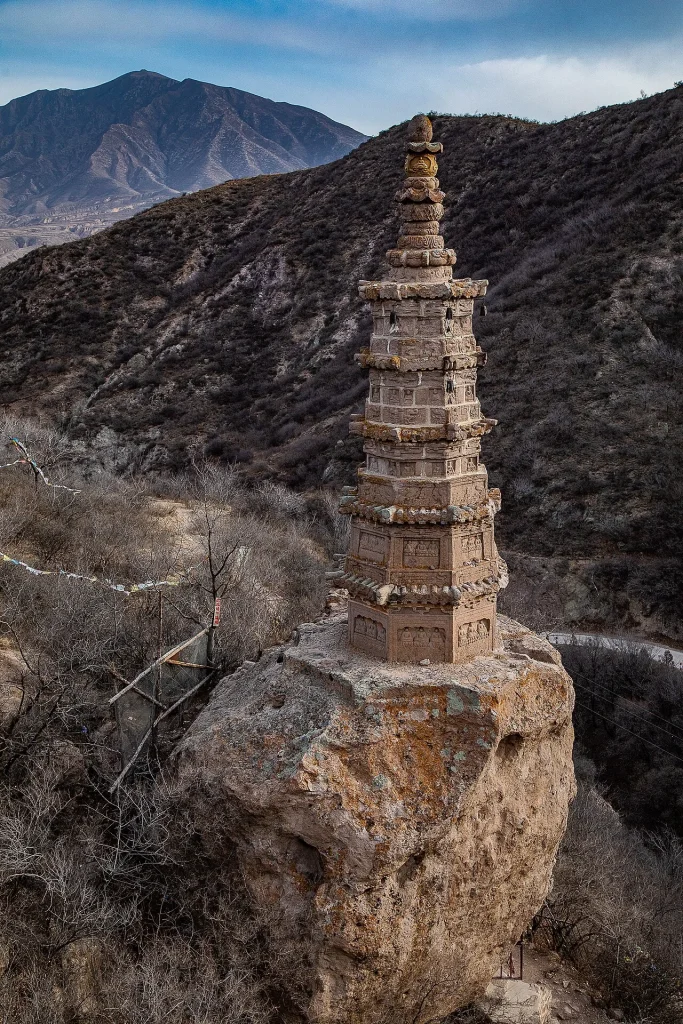
Before traveling, verify local notices through the Xuanhua District government site and train schedules through China Railway 12306. Agricultural-heritage context can be cross-checked through FAO’s Globally Important Agricultural Heritage Systems designated sites. Image license pages include Wikimedia Commons files for Qingyuan Tower, historic Xuanhuafu Station, and Bailin Temple tower.
Yuzhou Ancient City Guide: Yuhuang Pavilion, Nan’an Pagoda and a Half-Day Walk
Walk through Yuxian's old city from Yuhuang Pavilion to Nan'an Pagoda, with architectural details, a half-day route and…
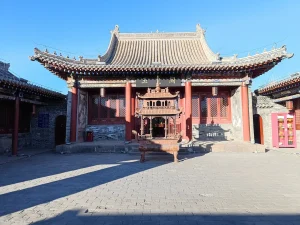
Zhangjiakou Fortress Guide: Buzili Old Town, Trade Streets and Museum Stops
Explore Zhangjiakou Fortress, known locally as Buzili, with its walls, former banks, Yuhuang Pavilion, museum stops, trade history,…
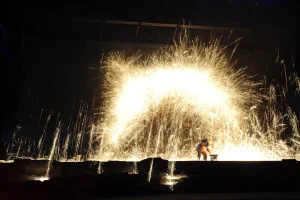
Nuanquan Ancient Town and Dashuhua Guide: Yuxian Fortress Walks and Fire-Flower Shows
Plan Nuanquan Ancient Town in Yuxian with Xigubao walking context, Dashuhua fire-flower show checks, respectful viewing advice, and…
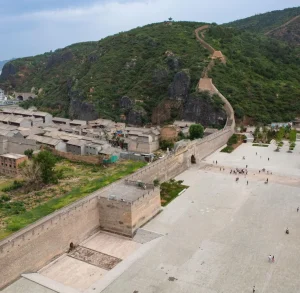
Dajingmen Great Wall Guide in Zhangjiakou: Gate, Trade Route and Beijing Train Tips
Plan Dajingmen in Zhangjiakou with Great Wall history, Zhangku trade route context, Beijing train links, walking tips, seasons,…
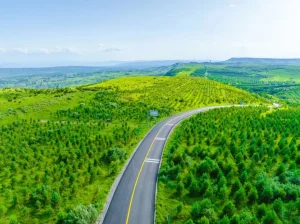
Zhangbei Grassland Road Guide: Grass Skyline, Wind Farms and Zhangjiakou Weekend Tips
Plan Zhangbei Grassland Road in Zhangjiakou with self-drive timing, grassland scenery, wind farms, Beijing links, seasons, hotels, and…
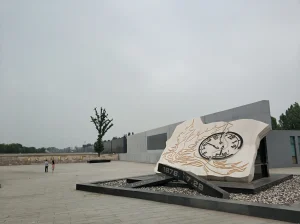
Tangshan Earthquake Memorial Park Guide: Museum, Memorial Wall and 1976 Ruins
Visit Tangshan Earthquake Memorial Park with context: the memorial wall, preserved industrial ruins, the 2026 museum reopening and…