
Beijing to Zhangjiakou High-Speed Train Guide: Stations, Chongli and Dajingmen Tips
Zhangjiakou is one of the most useful northern Hebei trips for travelers starting from Beijing. It can mean a city stop around Dajingmen, a mountain stay in Chongli, a winter-sports route, or a cooler summer break in the hills. The high-speed railway makes the destination much easier than it used to be, but the trip still needs station logic rather than a vague “go to Zhangjiakou” plan.
This guide is written for foreign travelers who are already looking at the broader Zhangjiakou travel guide from Beijing or the Chongli travel guide from Beijing and now need the practical rail layer: which station to check, when Zhangjiakou city makes sense, when Taizicheng or Chongli is more relevant, and why current train times should be verified on 12306 before booking.
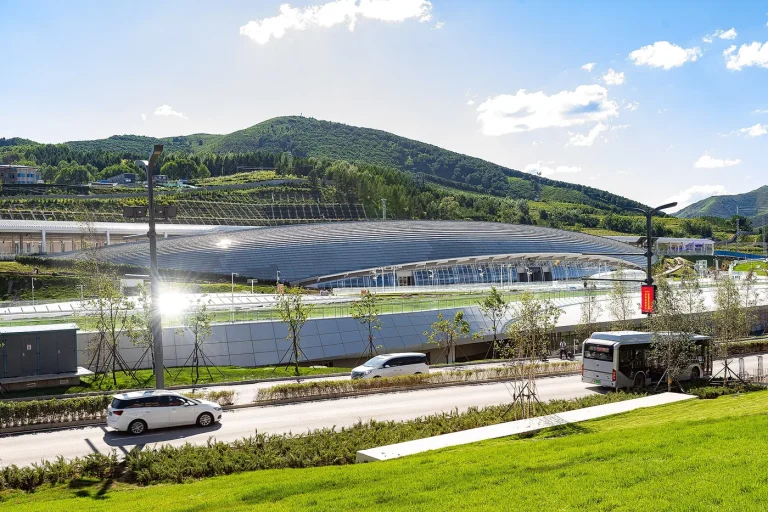
Quick Planning Snapshot
- Best for: Zhangjiakou city, Dajingmen, Chongli ski or mountain stays, cooler northern Hebei air, and Beijing weekend routes.
- Core stations to check: Zhangjiakou Station for the city; Taizicheng or Chongli-related trains for resort and mountain-area plans.
- Beijing-side stations: Beijing North and Qinghe are common starting points on the Beijing-Zhangjiakou high-speed rail corridor, but always confirm the exact departure station on your ticket.
- Best trip length: one full day for Zhangjiakou city, one night or more for Chongli, and at least two days if you want both city history and mountain time without rushing.
- Do not assume: the station closest to the city is the best station for a ski trip, or that a Chongli-focused trip should start in downtown Zhangjiakou.
Why the Train Changes the Zhangjiakou Plan
Before high-speed rail, Zhangjiakou was a more awkward northern escape from Beijing. Now the route can be practical for city sightseeing, winter sports, and short mountain breaks. That does not mean every Zhangjiakou trip is simple. The city area, Dajingmen, Chongli District, Taizicheng, and ski resort zones are not one walkable cluster. The train only solves the first part of the journey.
The practical question is not only “How do I get from Beijing to Zhangjiakou?” A better question is “Which Zhangjiakou route am I actually taking?” Someone going to Dajingmen and the old city wants a different day than someone carrying ski gear to Chongli. A traveler comparing Zhangjiakou with Beijing to Chengde by high-speed train also needs to understand that Zhangjiakou is more seasonal and transfer-sensitive.
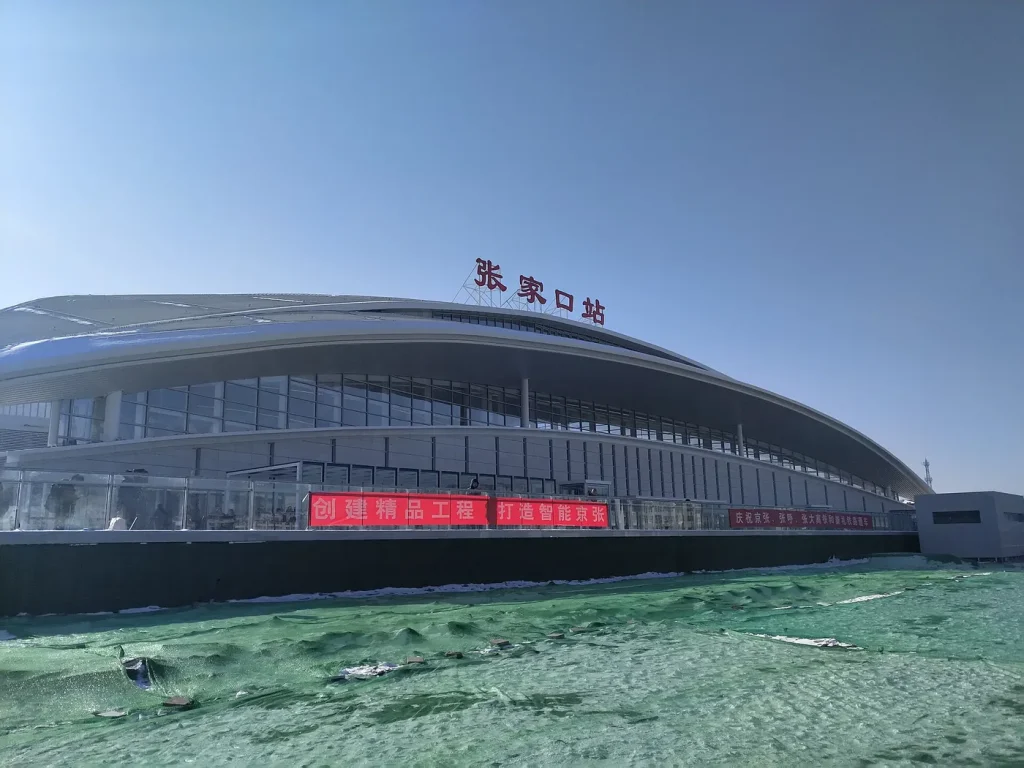
Which Arrival Station Should You Use?
Use Zhangjiakou Station when the trip is built around the city: Dajingmen, local restaurants, museums, nearby urban hotels, or a simple first visit. This is the clearest option for travelers who want to say they have visited Zhangjiakou itself, rather than only passing through the mountain resort area.
Use Taizicheng or Chongli-related train options when the trip is actually a Chongli route. Taizicheng became important because of the Beijing 2022 Winter Olympics and the mountain-area rail branch. It can be much more relevant than downtown Zhangjiakou for certain ski-resort or resort-hotel plans. The practical issue is last-mile transfer: confirm whether your hotel or resort provides pickup, whether ride-hailing works reliably, and how late you will arrive.
For all rail tickets, use China Railway 12306 close to the travel date. The official English site provides train search and ticketing functions, and current departures are more reliable than an old blog timetable. If you are carrying ski equipment, also check current railway rules and services before assuming large gear can be handled like a normal suitcase.
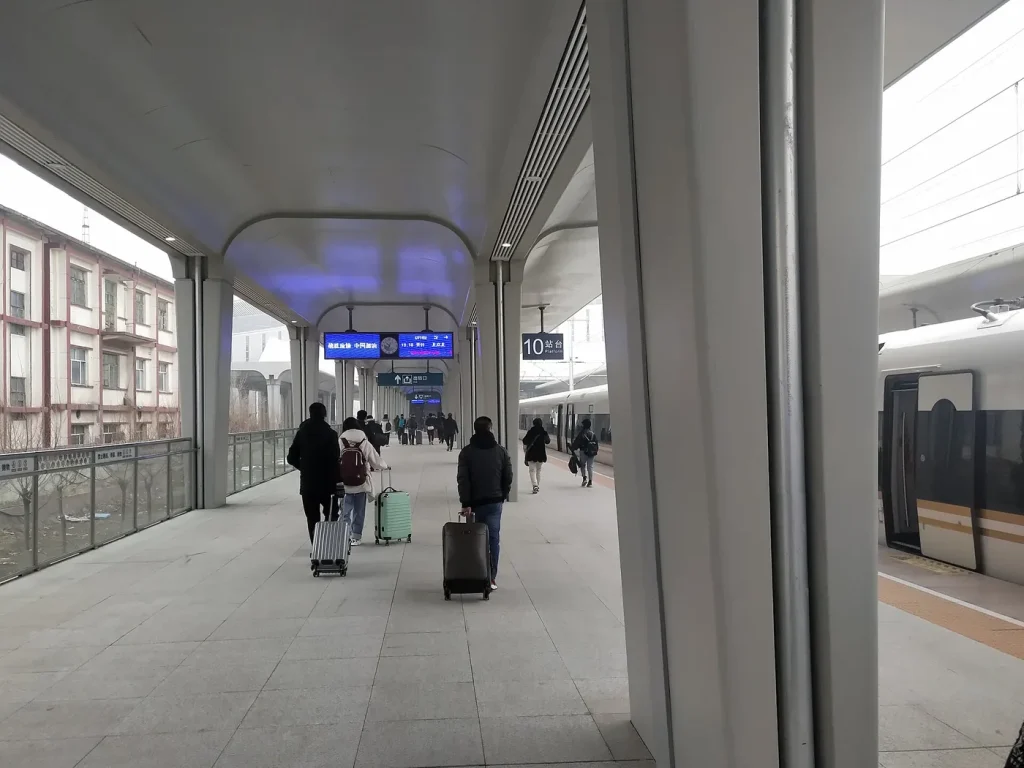
Three Practical Route Types
1. Zhangjiakou City and Dajingmen Day Trip
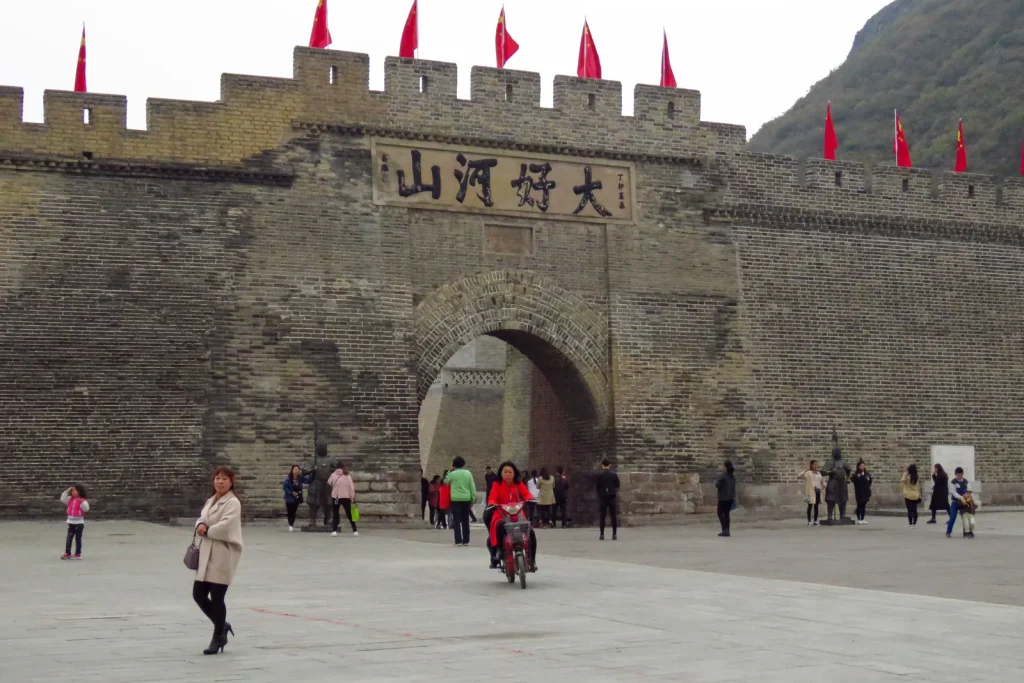
This is the simplest route for a first-time visitor. Take a suitable morning train to Zhangjiakou, use local transport to reach Dajingmen, add a local meal or short city walk, then return to Beijing with enough buffer. This route is about northern frontier history and a compact city experience, not ski scenery. It can work as a full day if you start early and avoid adding Chongli.
2. Chongli Ski or Mountain Stay
For Chongli, one night is usually more sensible than a long same-day return. Winter trips need time for equipment, check-in, weather, lifts, and transfers. Summer trips need time for cooler air, mountain walks, resort facilities, and relaxed meals. If your hotel is in Chongli or near a resort, do not choose a train only because it arrives at Zhangjiakou Station. Check whether Taizicheng or a Chongli-linked station works better for the final transfer.
3. Two-Day Zhangjiakou Plus Chongli Route
If you want both Dajingmen and Chongli, make it a two-day route. Day one can be Zhangjiakou city and Dajingmen, with an evening transfer or overnight in the city. Day two can focus on Chongli or Taizicheng-area mountain travel. This is much stronger than trying to touch every landmark in one day, especially in winter when weather and daylight can reduce the usable travel window.
What to Check Before Booking
- Departure station in Beijing: Beijing North and Qinghe are not interchangeable if your hotel is far away.
- Arrival station: Zhangjiakou Station is not automatically right for Chongli.
- Last-mile transfer: confirm hotel pickup, taxi timing, ride-hailing reliability, and late-night options.
- Weather: winter snow, wind, and road conditions matter more around Chongli than in a normal city trip.
- Documents: carry your passport for train travel and hotel check-in; see the foreign tourist documents guide if you are new to China travel.
- Hotel base: read the Hebei hotel guide for foreign tourists before booking a resort or city hotel only by price.
When Zhangjiakou Is Better Than Other Hebei Routes
Choose Zhangjiakou when you want northern air, winter-sports infrastructure, Chongli mountain scenery, or a less obvious Hebei route from Beijing. Choose Chengde when imperial gardens and temples are the main goal. Choose Qinhuangdao or Beidaihe when coast and sea are the priority. Choose Baoding or Zhengding when you want old-city culture with easier southbound train logic.
For a strong Hebei itinerary, Zhangjiakou works best as a specific answer to a specific need: a high-speed rail mountain escape, a Chongli ski plan, or a Dajingmen city heritage day. It is weaker as a vague “see Hebei” stop. That is why this train guide should be paired internally with Hebei attraction planning, the dedicated Zhangjiakou page, and the Chongli page rather than standing alone.
References and Current Checks
Before traveling, check current trains through China Railway 12306. For current Chongli and ski-gear rail context, Beijing’s official government site reported expanded “Easy Travel with Snow Gear” services on Beijing-Zhangjiakou High-Speed Railway trains bound for Chongli in January 2026: Beijing Municipal Government railway notice. Image licenses can be checked on Wikimedia Commons for Taizicheng Railway Station, Zhangjiakou Station, Zhangjiakou Station platform, and Dajingmen.
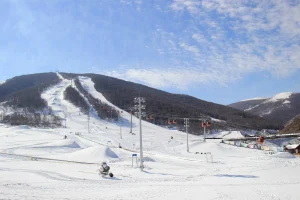
Chongli Travel Guide from Beijing: Ski Resorts, Summer Mountains and Train Tips
Plan a Chongli trip from Beijing with ski resort choices, summer mountain ideas, train and transfer tips, where…
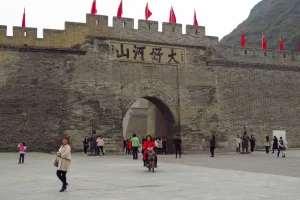
Zhangjiakou Travel Guide from Beijing: Dajingmen, Chongli and Great Wall Routes
Plan a Zhangjiakou trip from Beijing with Dajingmen, Chongli ski and summer routes, Great Wall context, train checks,…
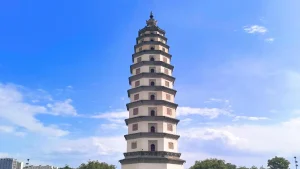
Dingzhou Kaiyuan Temple Pagoda Guide: Liaodi Pagoda, Old City and Train Tips
Plan Dingzhou Kaiyuan Temple Pagoda with Liaodi Pagoda history, old-city route ideas, photo priorities, Beijing train logic, timing,…
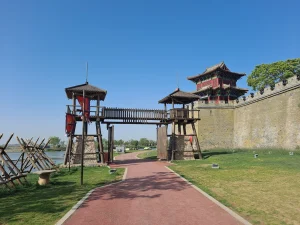
Guangfu Ancient City Guide in Handan: Water Town Walls, Tai Chi Roots and Beijing Train Tips
Plan Guangfu Ancient City in Handan with old walls, water-town scenery, Tai Chi heritage, Beijing train links, timing,…
Tangshan Nanhu Park Guide: Lake Walks, Urban Renewal and Beijing Train Tips
Plan Tangshan Nanhu Park with lake walks, urban renewal context, Beijing train links, best timing, city pairings, hotels,…
Dajingmen Great Wall Guide in Zhangjiakou: Gate, Trade Route and Beijing Train Tips
Plan Dajingmen in Zhangjiakou with Great Wall history, Zhangku trade route context, Beijing train links, walking tips, seasons,…