
Zhangbei Grassland Road Guide: Grass Skyline, Wind Farms and Zhangjiakou Weekend Tips
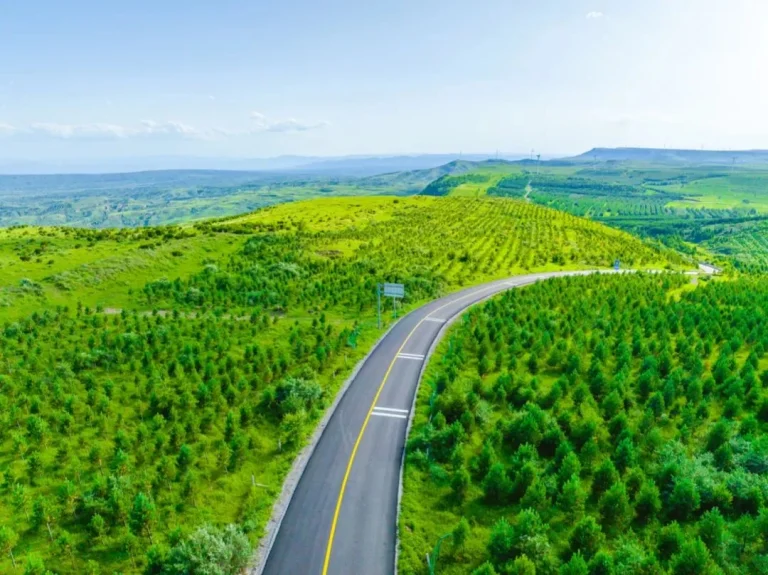
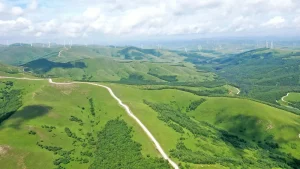
Zhangbei Grassland Road is one of the most distinctive summer and autumn drives in northern Hebei. It is often described in Chinese as 草原天路, or “Grass Skyline”, because the road runs through highland grassland, rolling hills, wind farms, forests, villages, and big-sky scenery in Zhangjiakou. For foreign travelers, the key question is not simply whether it is beautiful. The real question is whether the route fits your transport, season, and time.
This guide focuses on Zhangbei and the Grassland Road itself, while connecting it with the site’s broader Zhangjiakou travel guide, Beijing to Zhangjiakou high-speed train guide, and Chongli travel guide. It is written for travelers who want a real countryside route, not only another city stop after Beijing.
Quick Planning Snapshot
- Best for: grassland scenery, summer cooling, wind farms, self-drive photography, rural highland views, and a slower Zhangjiakou weekend.
- Best base: Zhangjiakou city, Chongli, or a Zhangbei-area stay if you want less driving pressure.
- Best transport: self-drive, hired car, or private driver. This is not a simple train-to-gate attraction.
- Time needed: one long day from Zhangjiakou, or one overnight route if starting from Beijing.
- Best season: summer for green grassland and cooler air; early autumn can be good for clearer skies and fewer peak-season crowds.
Why Zhangbei Grassland Road Is Different
Many Hebei day trips are built around one gate, one temple, one old town, or one museum. Zhangbei Grassland Road is different because the road itself is the experience. The route is about movement: curves over hills, wind turbines on the skyline, grassland villages, changing light, and broad views that feel very different from Beijing’s urban rhythm.
That also means planning mistakes are easy. If you treat it like a normal scenic area with a clear entrance and a short walking loop, the trip can feel confusing. A better approach is to think of it as a driving route near Zhangjiakou, then decide your start point, end point, photo stops, meal timing, and overnight base before you leave.
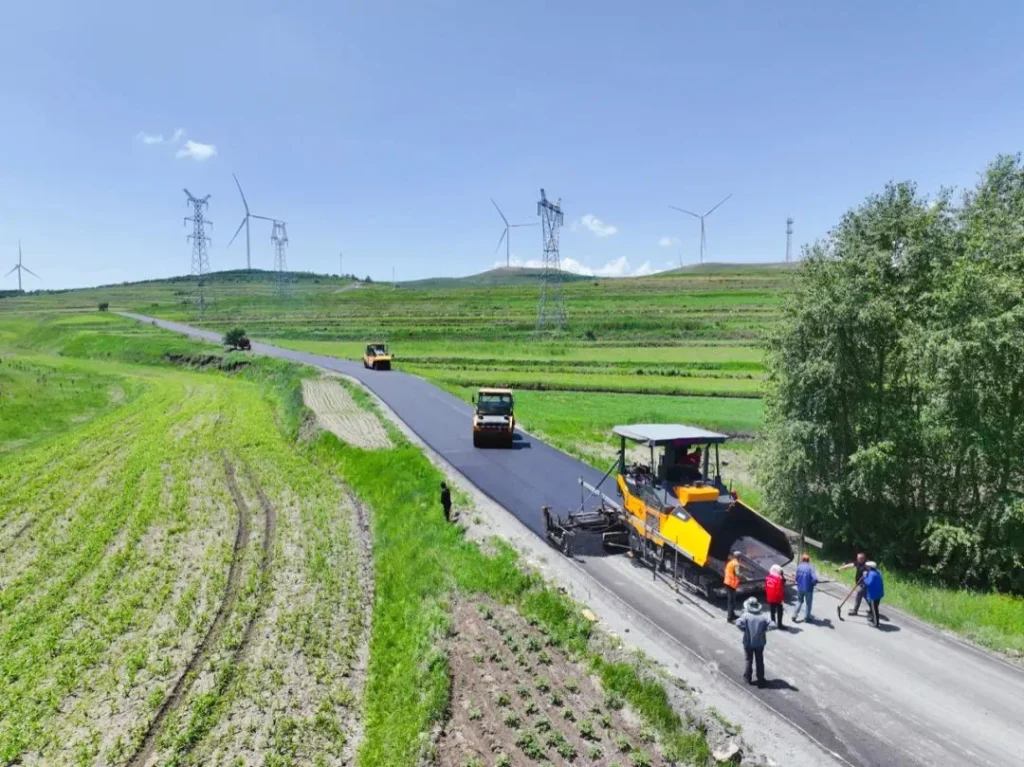
The classic visitor conversation often mentions Zhangbei, Yehuling, Huapiling, and different east-west sections. Local road names, access rules, and recommended segments can change as roads are upgraded or managed seasonally, so avoid relying on an old map screenshot. Check local traffic, weather, and navigation on the travel date.
How to Get There from Beijing or Zhangjiakou
From Beijing, the most realistic independent plan is usually Beijing to Zhangjiakou by high-speed train, then a hired car or local driver for the grassland route. A full self-drive from Beijing is possible for experienced drivers, but it can become tiring if you try to return the same night. For most first-time foreign visitors, Zhangjiakou or Chongli is the better overnight base.
Use the Beijing to Zhangjiakou train guide to understand station choices and timing, then verify exact trains through China Railway 12306 before booking. Zhangjiakou Station and nearby hotel areas can work well if you want city convenience. Chongli makes more sense if your wider route includes mountain resorts, summer air, or ski-season planning.
If your trip starts in Zhangjiakou city, do not underestimate the full-day nature of the route. The drive out, sightseeing stops, meals, traffic, weather changes, and return all take time. It is better to plan fewer stops with more photo time than to chase every viewpoint mentioned in short-video posts.
Suggested One-Day Route
- Morning: leave Zhangjiakou or Chongli early, after confirming road and weather conditions.
- Late morning: drive the main scenic section with selected viewpoints, not constant roadside stopping.
- Midday: eat a simple local meal or carry backup food if your route avoids town centers.
- Afternoon: continue through grassland, wind-farm, and forest sections while keeping return time realistic.
- Evening: return to Zhangjiakou, Chongli, or a pre-booked Zhangbei-area stay before driving becomes stressful.
If you are connecting Zhangbei with Chongli, avoid making the day too ambitious. Chongli is useful as a mountain base, but it should not become a rushed add-on after a long grassland drive. If the trip is mainly about landscape, keep the route slow. If it is mainly about transportation efficiency, stay closer to Zhangjiakou city.
Best Season and Weather
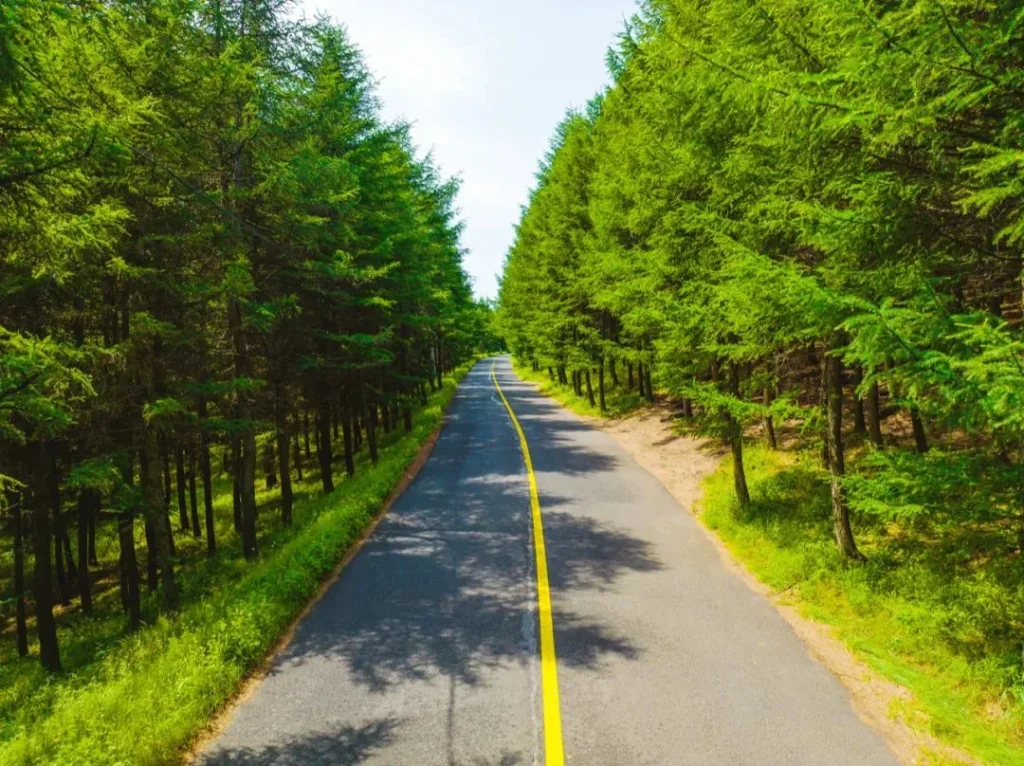
Summer is the main season because the highland air is cooler than Beijing and the grassland is green. This is also when roads and viewpoints can become busier, especially on weekends and holidays. If you want a quieter trip, consider weekdays or shoulder-season timing. Early autumn can be excellent when weather is clear, but grassland color and temperature change quickly.
Weather matters more here than in a city museum route. Wind, fog, rain, road maintenance, and sudden temperature shifts can change the experience. Bring a light jacket even in summer, and do not assume that Beijing weather tells you what Zhangbei will feel like. On a poor-visibility day, the road may still be pleasant, but the photo value drops.
Who Should Choose This Route?
Choose Zhangbei Grassland Road if you like landscape drives, open space, rural scenery, and flexible pacing. It is especially good for repeat Beijing visitors, families with a driver, photographers, and travelers who want something different from temples and old towns. It is less suitable if you rely only on public transport, dislike long car time, or need a fully walkable attraction with English signs and fixed facilities.
For a first Hebei trip, compare this with other route types. Chengde is stronger for imperial history and World Heritage architecture. Jinshanling Great Wall is stronger for hiking. Zhangbei Grassland Road is stronger for highland scenery, driving, wind farms, and summer escape value.
Where to Stay
Zhangjiakou city is practical if you want train access, restaurants, and simpler hotel logistics. Chongli is better if you want mountain-resort atmosphere or you are combining grassland scenery with cooler summer stays or winter sports planning. Zhangbei-area stays can reduce driving pressure, but foreign travelers should check recent reviews and confirm that the hotel can handle passport registration before booking.
Use the site’s Hebei hotel guide for broader stay-planning logic. For this route, location and check-in reliability matter more than a generic star rating. If you cannot read Chinese well, choose a hotel with clear map location, recent reviews, and easy communication.
Practical Tips for Foreign Visitors
- Save the Chinese names 草原天路, 张北, 张家口, 崇礼, 野狐岭, and 桦皮岭 before departure.
- Carry your passport for train travel and hotel check-in; review the foreign tourist documents guide if this is your first Hebei trip.
- Do not rely on public buses unless you have confirmed the exact route in Chinese on the same travel date.
- Use offline maps or screenshots because signal quality can vary in rural areas.
- Keep water, snacks, sun protection, and a light jacket in the car.
- Avoid stopping in unsafe road positions just for photos; use proper pull-offs and viewpoints.
- If traveling on a Chinese public holiday, expect traffic and consider starting earlier or staying overnight.
How to Combine It with Other Hebei Routes
The cleanest route combination is Beijing to Zhangjiakou by train, Zhangjiakou city or Chongli as the base, then Zhangbei Grassland Road as the landscape day. If you want a longer northern Hebei itinerary, you can later connect toward Chengde or Jinshanling, but do not force everything into one weekend. The distances are real, and landscape travel loses value when every stop is rushed.
A practical two-night plan could be Beijing to Zhangjiakou on Friday evening, Grassland Road on Saturday, and Chongli or Zhangjiakou city on Sunday before returning. A more relaxed photographer’s route would add a Zhangbei-area overnight so you can use morning and evening light rather than driving only during harsh midday sun.
References and Current Checks
Before traveling, verify train schedules through China Railway 12306 and check current local information through the Zhangjiakou municipal government site. The real road photos used in this guide come from Hebei Transport’s government-account coverage on The Paper. For broader Zhangjiakou and Hebei tourism context, cross-check with official provincial or municipal culture-and-tourism channels before your travel date.
Dajingmen Great Wall Guide in Zhangjiakou: Gate, Trade Route and Beijing Train Tips
Plan Dajingmen in Zhangjiakou with Great Wall history, Zhangku trade route context, Beijing train links, walking tips, seasons,…
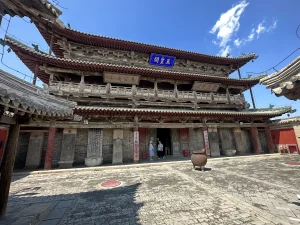
Yuzhou Ancient City Guide: Yuhuang Pavilion, Nan’an Pagoda and a Half-Day Walk
Walk through Yuxian's old city from Yuhuang Pavilion to Nan'an Pagoda, with architectural details, a half-day route and…
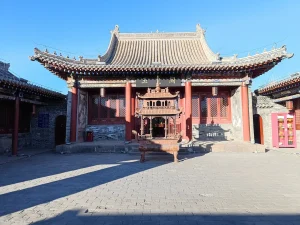
Zhangjiakou Fortress Guide: Buzili Old Town, Trade Streets and Museum Stops
Explore Zhangjiakou Fortress, known locally as Buzili, with its walls, former banks, Yuhuang Pavilion, museum stops, trade history,…
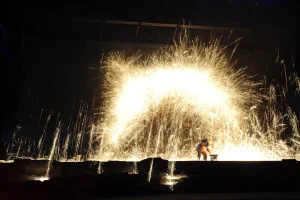
Nuanquan Ancient Town and Dashuhua Guide: Yuxian Fortress Walks and Fire-Flower Shows
Plan Nuanquan Ancient Town in Yuxian with Xigubao walking context, Dashuhua fire-flower show checks, respectful viewing advice, and…
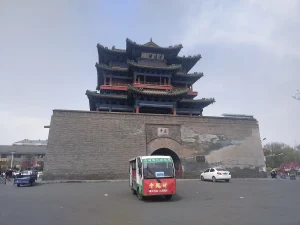
Xuanhua Ancient City Guide: Qingyuan Tower, Old Streets and Zhangjiakou Trip Tips
Plan Xuanhua Ancient City in Zhangjiakou with Qingyuan Tower, old streets, train links, grape heritage, Dajingmen pairing, seasons,…
Fengning Bashang Grassland Guide from Beijing: Routes, Seasons and Chengde Weekend Tips
Plan Fengning Bashang Grassland from Beijing with route choices, best seasons, grassland scenery, Chengde links, hotels, weather, and…