
Dingzhou Kaiyuan Temple Pagoda Guide: Liaodi Pagoda, Old City and Train Tips
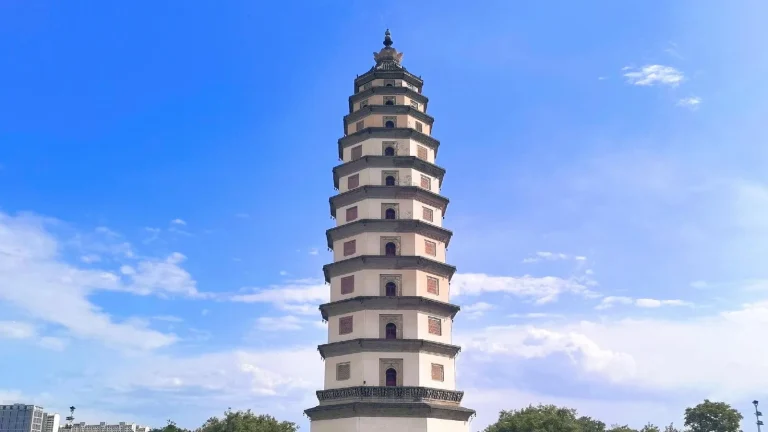
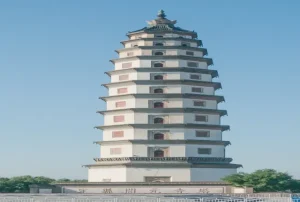
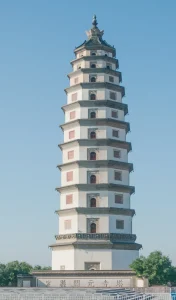
Dingzhou Kaiyuan Temple Pagoda is one of the strongest single-site reasons to stop in Dingzhou instead of treating the city only as a train point between Beijing, Baoding, and Shijiazhuang. The tower is often called Liaodi Pagoda, a name tied to its old frontier-watch function during the Northern Song period. For travelers, it is also an easy landmark to understand visually: tall, white, octagonal, and visible as the anchor of the old city.
This guide focuses on the pagoda itself: why it matters, how to plan time around it, what to look for in the architecture, and how to connect it with a broader Dingzhou day trip or a Beijing to Dingzhou train route. It does not change the existing Dingzhou route pages; it gives the main pagoda its own search-focused guide.
Why the Pagoda Matters
China Daily describes Kaiyuan Temple Pagoda as the highest existing masonry pagoda in China. The article places it in Dingzhou, historically a border region between the Northern Song and the Khitan Liao, and says construction was commissioned in 1001 and completed in 1055. CGTN similarly describes the tower as an 84-meter Northern Song brick pagoda in the center of ancient Dingzhou.
The military nickname Liaodi Pagoda helps explain why this is not only a Buddhist structure. The pagoda had religious meaning, architectural ambition, and frontier-watch value at the same time. That combination makes it more interesting than a simple “old tower photo stop”. It helps a visitor understand why Dingzhou deserves a slower look in central Hebei.
What to Look For
- The height and taper: from ground level, the pagoda feels taller than many city towers because its octagonal body narrows steadily upward.
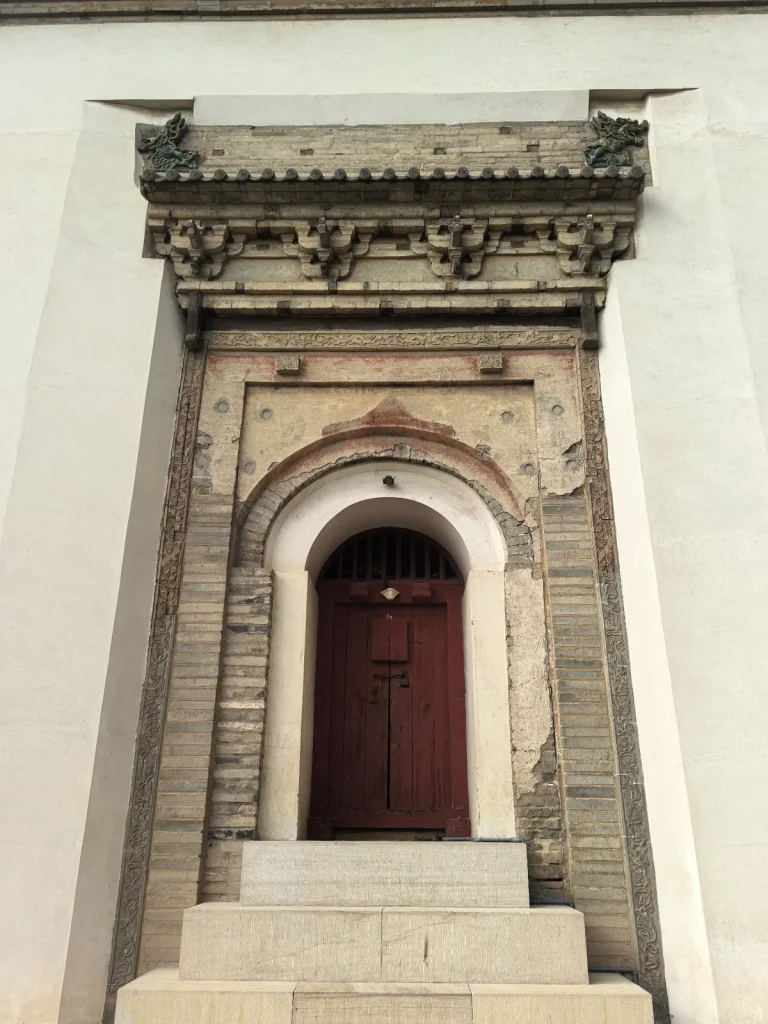
- Door and window rhythm: China Daily notes that the tower alternates doors and lattice windows on its outer faces, with real and relief-carved openings.
- Brick imitation of wood: upper sections use masonry forms that echo wooden brackets and architectural details.
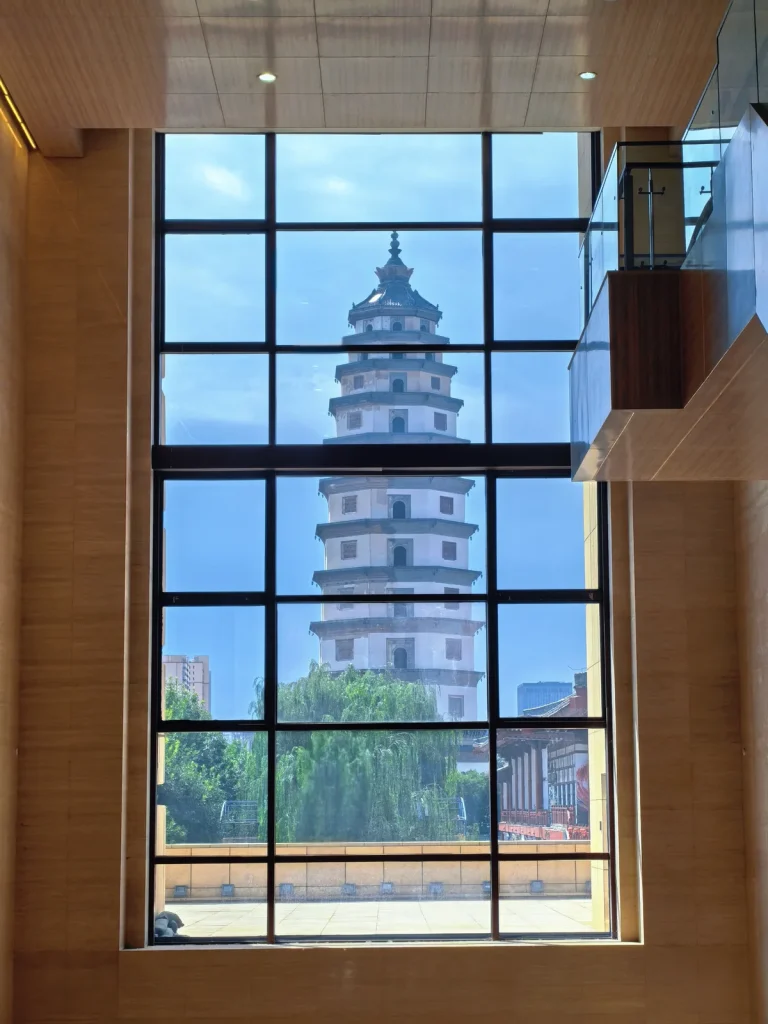
- Old-city setting: the tower is strongest when seen as part of Dingzhou old city rather than as an isolated object.
How Long to Spend
- 45 to 60 minutes: enough for a focused exterior visit, photos, and basic historical reading.
- 90 minutes: better if you want to slow down, compare architectural details, and walk the nearby old-city area.
- Half day in Dingzhou: best if you also include the Confucian Temple, Examination Hall, local food, and station transfers.
Do not build the day only around the pagoda if you are coming from Beijing. Dingzhou works better as a compact old-city route. Start with the pagoda as the main visual anchor, then add one or two nearby cultural stops depending on opening hours, weather, and your train timing.
Best Route for First-Time Visitors
A simple first route is to arrive in Dingzhou, confirm your return train or onward transport, then focus on the old-city core. Visit Kaiyuan Temple Pagoda first if weather is clear, because the exterior photos depend on light. After that, continue to the Confucian Temple or Examination Hall if they fit your day. This is the route logic used in the broader Dingzhou day trip guide.
If you are traveling from Beijing, do not confuse Dingzhou East Station with a doorstep attraction. The high-speed rail helps with the intercity leg, but you still need to plan the transfer between station, old city, lunch, and return. The Beijing to Dingzhou train guide explains that station logic in more detail.
How It Compares with Other Hebei Heritage Stops
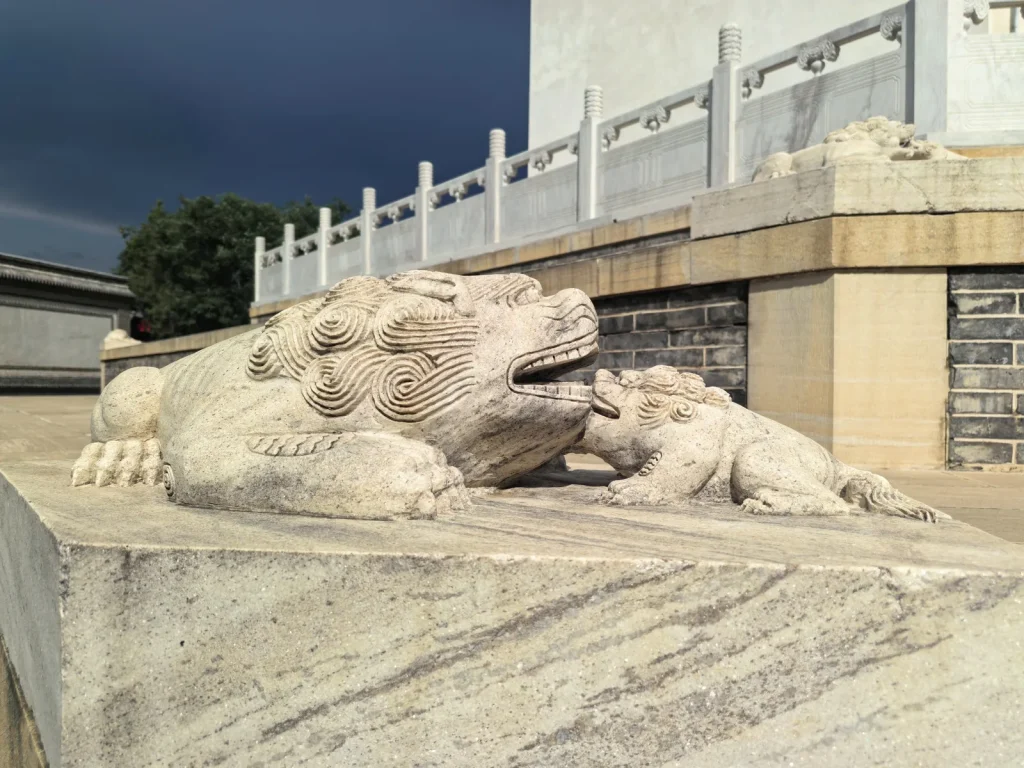
Kaiyuan Temple Pagoda is not as famous internationally as Chengde Mountain Resort or the Qing tombs, but it is useful for a different reason. It gives central Hebei a strong architectural landmark that can be visited without a long mountain or palace-style itinerary. If your trip already includes Baoding, Western Qing Tombs, or the Hebei Museum in Shijiazhuang, Dingzhou adds a compact Song-dynasty brick architecture focus.
For broader planning, compare it with the site’s must-see Hebei attractions. The pagoda is best for travelers who enjoy architecture, old cities, train-friendly stops, and slower county-level routes. It is less ideal if you only want dramatic natural scenery or a full-day resort-style attraction.
Practical Visitor Tips
- Check opening hours and ticket rules close to your travel date, especially around public holidays and maintenance periods.
- Save the Chinese names 定州开元寺塔 and 料敌塔 for maps, tickets, and driver communication.
- Use morning or late-afternoon light when possible; the white exterior can look flat under harsh midday sun.
- Plan transport around Dingzhou East Station carefully if you are using high-speed rail.
- Do not rush straight back to the station if you have time; the old city, food, and nearby cultural sites make the pagoda more meaningful.
- If interior access is limited or adjusted, still treat the exterior and surrounding old-city context as worthwhile.
Should You Make a Special Trip?
Make a special trip if you are already interested in Song-dynasty architecture, Chinese pagodas, or train-based Hebei day trips. If you are only visiting Hebei once and want the province’s biggest-name sights, Dingzhou may be a second-layer choice after Chengde, Qinhuangdao, Baoding, or the Qing tombs. But for travelers who like precise local routes, Kaiyuan Temple Pagoda is exactly the kind of specific place that makes Hebei more than a province name.
The best plan is to treat the pagoda as the anchor of a compact Dingzhou route. That gives the tower enough time, gives the old city context, and avoids turning a major ancient structure into a five-minute photo stop.
References and Image Sources
- China Daily government service page: The Kaiyuan Temple Pagoda
- Visit Beijing: Kaiyuan Temple Pagoda travel information
- CGTN: Kaiyuan Temple Pagoda photo feature and background
- Images in this guide were selected from the CGTN 2025 Kaiyuan Temple Pagoda photo feature and converted to WebP for faster loading.
Beijing to Dingzhou High-Speed Train Guide: Pagoda, Exam Hall and Old City Tips
Use this Beijing to Dingzhou high-speed train guide to plan Dingzhou East Station arrivals, old-city transfers, Kaiyuan Temple…
Dingzhou Day Trip from Shijiazhuang or Baoding: Ancient Tower, Confucian Temple and Old City
Plan a Dingzhou day trip from Shijiazhuang or Baoding with Kaiyuan Temple Pagoda, Confucian Temple, Examination Hall, route…
Guangfu Ancient City Guide in Handan: Water Town Walls, Tai Chi Roots and Beijing Train Tips
Plan Guangfu Ancient City in Handan with old walls, water-town scenery, Tai Chi heritage, Beijing train links, timing,…
Tangshan Nanhu Park Guide: Lake Walks, Urban Renewal and Beijing Train Tips
Plan Tangshan Nanhu Park with lake walks, urban renewal context, Beijing train links, best timing, city pairings, hotels,…
Dajingmen Great Wall Guide in Zhangjiakou: Gate, Trade Route and Beijing Train Tips
Plan Dajingmen in Zhangjiakou with Great Wall history, Zhangku trade route context, Beijing train links, walking tips, seasons,…
Beijing to Zhangjiakou High-Speed Train Guide: Stations, Chongli and Dajingmen Tips
Plan a Beijing to Zhangjiakou high-speed train trip with station choices, Zhangjiakou Station, Taizicheng, Chongli, Dajingmen and realistic…