
Zhangjiakou Travel Guide from Beijing: Dajingmen, Chongli and Great Wall Routes
Zhangjiakou is one of the most useful Hebei trips to understand before you build a Beijing-based itinerary. It is close enough to Beijing for a short rail trip, but it does not feel like another Beijing suburb. The city sits on historic routes toward the northwest, has Great Wall pass context around Dajingmen, and connects directly with Chongli, the mountain resort district known internationally after the Beijing 2022 Winter Olympics. This Zhangjiakou travel guide is written for foreign visitors who want to know whether the city itself is worth adding, how it connects with Chongli, and how to plan the route without confusing it with Chengde, Qinhuangdao or the Great Wall day trips closer to Beijing.
Why Zhangjiakou Is Worth Considering from Beijing
Zhangjiakou is not the first Hebei name many foreign travelers search. Chengde has the Mountain Resort, Qinhuangdao has Beidaihe and Shanhaiguan, and Jinshanling has a clearer Great Wall hiking identity. Zhangjiakou’s value is different: it works as a northern pass city, a winter-sport gateway, a summer mountain escape and a practical extension from Beijing. If you already plan to visit Chongli, adding the Zhangjiakou city area helps the trip feel more complete.
The strongest one-line plan is simple: use Zhangjiakou city for Dajingmen and pass history, then use Chongli for mountains, skiing or cool-weather resort time. Travelers who only want ski facilities can focus on the Chongli travel guide from Beijing. Travelers who want a broader Hebei route can compare Zhangjiakou with the Beijing to Chengde 2-day itinerary and the Beijing to Qinhuangdao and Beidaihe train guide.
Best Zhangjiakou Route for First-Time Visitors
For a first visit, do not try to make Zhangjiakou cover every possible theme. Build the route around one of three goals: a city-and-pass day, a Chongli mountain weekend, or a Great Wall plus northwest Hebei loop. The city-and-pass version puts Dajingmen first and works if you only have a day. The Chongli version is better as an overnight trip because resort transfers, gear, weather and train timing all need more margin. The Great Wall version works only if you are deliberately comparing Hebei wall routes, not casually adding one more stop.
- One-day Zhangjiakou city route: Beijing train, Dajingmen, city meal, return train.
- Overnight Chongli route: Beijing to Zhangjiakou or Chongli area, resort stay, mountain or ski time, return the next day.
- Longer Hebei route: pair Zhangjiakou with Chengde, Jinshanling or Beijing-side Great Wall planning only if transport timing is realistic.
Dajingmen: Start with the Pass, Not the Resort
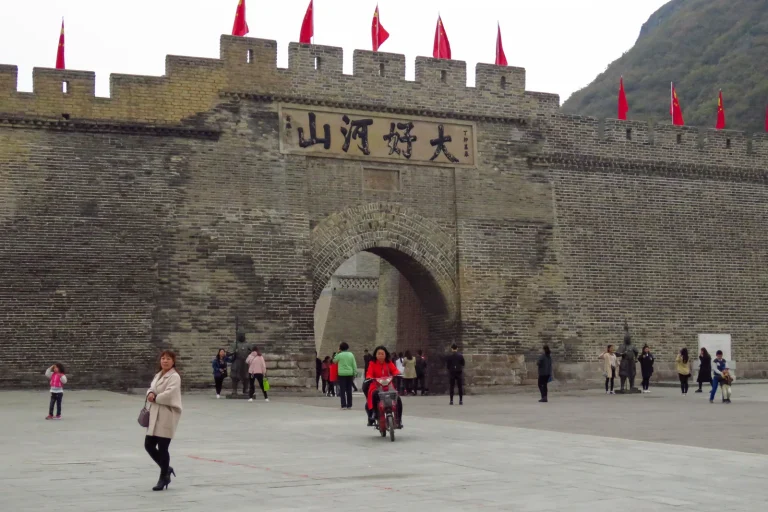
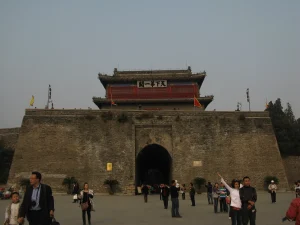
Dajingmen is the most useful Zhangjiakou landmark for first-time visitors because it explains the city in a way a generic downtown walk cannot. The gate, wall setting and mountain backdrop show Zhangjiakou as a pass city rather than a beach, temple or palace destination. It is also a good visual anchor for people who know Hebei mostly through Great Wall travel but have not looked beyond the famous Beijing-area sections.
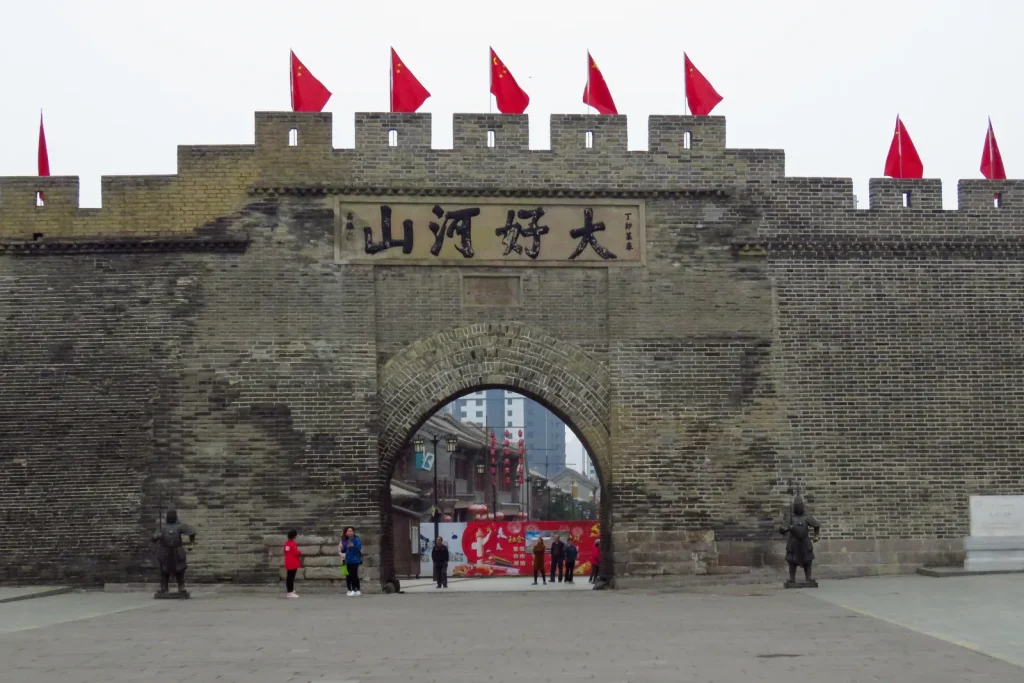
Plan Dajingmen as a focused visit, not as a place to rush through on the way to Chongli. Give yourself enough time to look at the gate, the wall alignment and the surrounding terrain. The point is not only the photo of the arch. The point is understanding why this part of Hebei historically mattered as a route between the North China plain and the northwest. If your larger goal is Great Wall travel, this city context connects naturally with the Hebei Great Wall guide.
Chongli: Winter Skiing and Summer Mountains
Chongli is the part of Zhangjiakou that many international visitors recognize because of winter sports. It is not the same experience as Zhangjiakou city. The city gives pass history and logistics; Chongli gives mountains, resorts, ski areas and cooler summer air. In winter, it is the reason to plan an overnight trip rather than a quick day out. In summer and autumn, it can work as a quiet mountain break when Beijing feels hot or crowded.
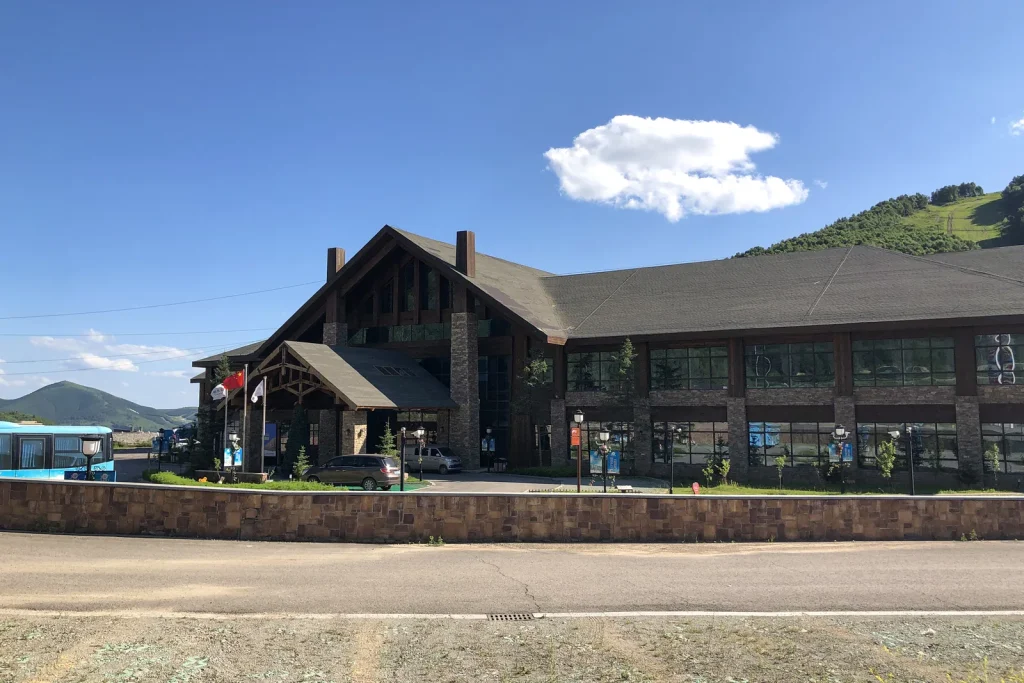
If you are planning a ski trip, check resort season dates, snow conditions, equipment rules and beginner lesson options directly before booking. If you are planning a summer trip, think in terms of cooler air, mountain walks and resort stays rather than expecting the same atmosphere as a coastal or temple route. Chongli is best when the purpose is clear. It is not a replacement for Chengde’s imperial heritage or Qinhuangdao’s coast; it is Zhangjiakou’s mountain-resort side.
How to Travel from Beijing to Zhangjiakou
The first planning step is to check live trains rather than copy an old schedule. Beijing-Zhangjiakou rail options can be convenient, but station choice, departure time and final transfer decide whether your route feels easy. Use the official 12306 platform for current trains, and build the sightseeing order only after you know your actual arrival station and return time.
For Zhangjiakou city, check how you will reach Dajingmen from the station or hotel. For Chongli, check whether your hotel or resort offers transfer support and whether you need to connect through Zhangjiakou city. Do not assume every mountain hotel is close to every rail arrival point. In Chinese map apps, use 张家口 for Zhangjiakou, 大境门 for Dajingmen and 崇礼 for Chongli.
Where to Stay: City or Chongli?
Stay in Zhangjiakou city if your priority is Dajingmen, old pass context, a simple rail-based day or one night with flexible onward plans. Stay in Chongli if your priority is skiing, resorts, mountain air or a slower weekend. Mixing the two in one short day is possible, but it often makes the route feel transfer-heavy. For a first trip, city plus Dajingmen is cleaner as a day trip, while Chongli is cleaner as an overnight stay.
In winter, hotel choice matters more because ski equipment, lesson timing and weather can make small transfers feel bigger. In summer, the hotel decision is more about views, quietness and whether you want resort services or simple transport access. If you need a broader lodging comparison across Hebei, use the where to stay in Hebei guide.
Best Time to Visit Zhangjiakou
Winter is best if your reason is Chongli skiing. Summer is best if you want cooler mountain weather near Beijing. Autumn can be attractive for dry air, mountain color and city walking, while spring can be windy and variable. For Dajingmen, clear weather matters because the gate and mountain setting are part of the experience. For Chongli, seasonal conditions are the whole trip, so check resort updates and weather close to travel date.
If you are comparing Zhangjiakou with other Hebei destinations, the season can decide the answer. Chengde is strong in summer heritage travel, Qinhuangdao is strong for coast and summer beach trips, and Zhangjiakou is strongest for mountain air and winter sport. That is why Zhangjiakou should be planned by purpose, not just added because it appears near Beijing on a map.
Suggested Zhangjiakou Plans
- City day trip: Beijing to Zhangjiakou, Dajingmen, lunch, short city walk, return by train.
- Chongli weekend: arrive in Zhangjiakou or Chongli area, stay at a mountain resort, ski in winter or walk/rest in summer, return the next day.
- Hebei mountain route: combine Zhangjiakou and Chengde only if you have enough time for transfers and do not need to return to Beijing every night.
Current Checks Before You Go
Before booking, check current trains on the official 12306 English website. For winter-sport background, the Olympic Games site has Beijing 2022 information that helps explain why Zhangjiakou and Chongli became internationally known: Beijing 2022 Olympic Games. Image references include Wikimedia Commons file pages for Dajingmen gate and Dajingmen wall. Train schedules, ski seasons, resort operations and scenic-area opening information should be checked close to the actual travel date.
History-focused travelers can add the Xuanhua Ancient City guide rather than treating Zhangjiakou as only a transfer point.
Beijing to Zhangjiakou High-Speed Train Guide: Stations, Chongli and Dajingmen Tips
Plan a Beijing to Zhangjiakou high-speed train trip with station choices, Zhangjiakou Station, Taizicheng, Chongli, Dajingmen and realistic…
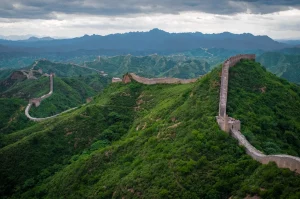
Jinshanling Great Wall Hiking Guide: Routes, Towers and Photo Timing
Plan a Jinshanling Great Wall hike with route choices, watchtower scenery, Beijing and Chengde access, photo timing, weather…
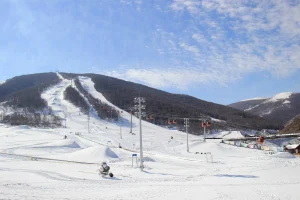
Chongli Travel Guide from Beijing: Ski Resorts, Summer Mountains and Train Tips
Plan a Chongli trip from Beijing with ski resort choices, summer mountain ideas, train and transfer tips, where…
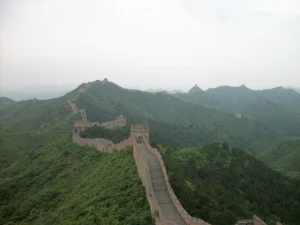
Luanping Jinshanling Great Wall Day Trip from Beijing or Chengde
Plan a Jinshanling Great Wall day trip in Luanping with hiking difficulty, transport from Beijing or Chengde, weather,…
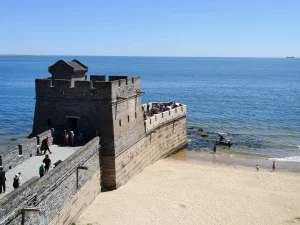
Shanhaiguan Day Trip: Laolongtou, First Pass and Old Town
Plan a focused Shanhaiguan day trip with Laolongtou, First Pass Under Heaven, old town walking, transport choices, seasonal…
Hebei Great Wall Guide: Shanhaiguan, Laolongtou and Coastal Wall Routes
Plan Hebei Great Wall travel around Shanhaiguan, Laolongtou, Qinhuangdao coast and Jinshanling route choices with transport and timing…