
Zhili Governor Office Baoding Guide: Qing Yamen History, Route and Visitor Tips
Zhili Governor Office in Baoding is one of the best places to understand why Baoding mattered in late imperial China. It is not a palace and not a temple. It was a working Qing-dynasty provincial yamen, tied to the administration of Zhili, the region directly connected to the capital area around Beijing. For travelers, that makes it a different kind of heritage stop from gardens, mountains, and Buddhist temples.
This guide explains why the office matters, what to see inside, how long to allow, and how to combine it with Ancient Lotus Pond or a broader Baoding day trip from Beijing. It is written as a focused guide for the site itself, not a replacement for the full Baoding route page.
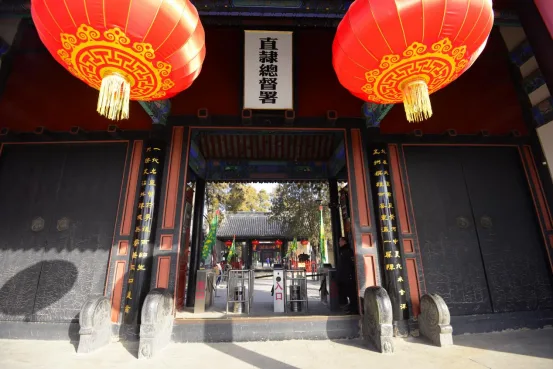
Why Zhili Governor Office Matters
The official museum site places the office at No. 301 Yuhua West Road in Baoding. It describes Zhili as the province directly subordinate to the capital region, and explains that the governor-general had unusually high military, administrative, salt, river, and Beiyang-related responsibilities. Xinhua calls the complex the best-preserved Qing provincial-level yamen in China and says it witnessed the rule of eight Qing emperors.
That context matters for travel planning. Many visitors know Beijing as the imperial capital, but fewer understand the administrative region around it. Baoding helps fill that gap. The office connects local Hebei history with Qing court politics, military defense, river management, modernization, and famous figures such as Zeng Guofan, Li Hongzhang, and Yuan Shikai.
What to See First
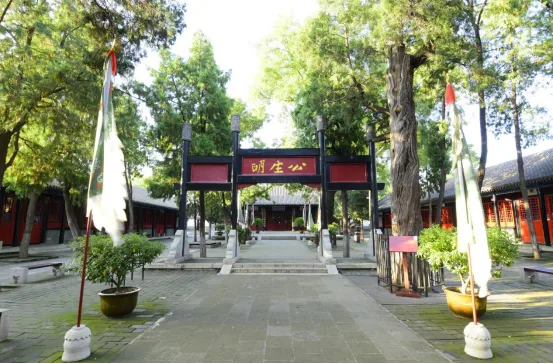
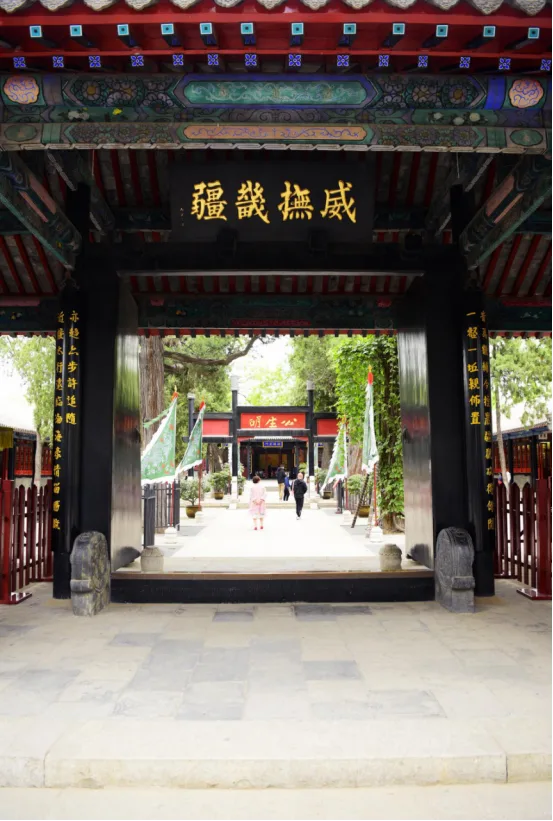
- The entrance sequence: start slowly and notice how the site uses gates, courtyards, and axial space rather than one single hall.
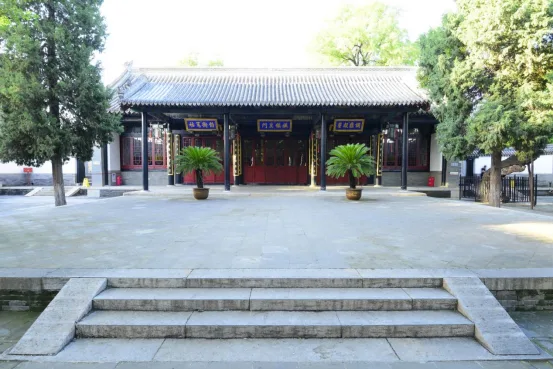
- The main hall: this is where the yamen function becomes clearer, especially if displays explain official procedure and hierarchy.
- Exhibition rooms: use them to connect names and offices with the broader Qing and late-Qing story.
- Courtyards and side rooms: these help you read the site as a working administrative compound, not only a restored monument.
How Long to Spend
- 45 minutes: enough for a quick walk through the main axis and a few photos.
- 60 to 90 minutes: better for reading exhibition panels and understanding why the office mattered.
- Half day in old Baoding: best if you pair the office with Ancient Lotus Pond, old streets, and lunch nearby.
Most first-time visitors should not make this the only Baoding stop. It works best with Ancient Lotus Pond because the two sites show different sides of old Baoding: official administration and literati garden culture. If you have a full day, add local food or another compact old-city stop rather than trying to rush out to distant county attractions.
Best Route with Ancient Lotus Pond
A practical first route is Zhili Governor Office in the morning, lunch nearby, then Ancient Lotus Pond when you are ready for a slower garden atmosphere. In hot summer, reverse the order if shade and timing work better. In winter, keep the schedule compact and avoid planning the day as if you will want long outdoor breaks.
If you are coming from Beijing, build the day around reliable train timing first, then local transfers inside Baoding. The existing Beijing to Baoding day trip guide is the wider route anchor. This article gives the old yamen enough detail so the stop does not feel like a quick name on a list.
What History Should You Know Before Visiting?
Zhili was important because it guarded the capital region. The office in Baoding was therefore more than a normal provincial administration site. During the Qing dynasty, the post of Zhili governor-general was politically sensitive, and several famous officials passed through it. Xinhua describes the site with the phrase often translated as “one governor’s yamen, half a portrait of Qing history”. That is a useful way to read the visit: one compound can open several parts of Qing-era China.
Do not worry if you cannot remember every official name. Focus on three ideas: Zhili’s capital-region role, the yamen’s administrative layout, and Baoding’s place in Hebei history. Those ideas are enough to make the visit worthwhile even for travelers who are not Qing specialists.
How It Fits with Other Hebei Routes
Zhili Governor Office fits naturally with Baoding city routes, but it also connects with wider Hebei history. Pair it with Western Qing Tombs if you are building a Qing-history trip around Baoding and Yi County. Pair it with Dingzhou if you want old-city architecture and train-friendly heritage stops. For broader sorting, compare it with the site’s must-see Hebei attractions before deciding how much time Baoding deserves.
Practical Visitor Tips
- Check current opening hours, ticket rules, and any temporary exhibition notices on official channels before travel.
- Save the Chinese name 直隶总督署 and the address 裕华西路301号 for maps and ride-hailing.
- Allow time to read exhibition panels; the site is more rewarding with historical context.
- Pair it with Ancient Lotus Pond instead of overloading the day with distant attractions.
- Use Baoding city as the base if you want a slower old-city day rather than a tight round trip from Beijing.
- Respect indoor museum rules, especially around flash photography, roped displays, and temporary exhibitions.
References and Image Sources
- Baoding Zhili Governor Museum official website
- Xinhua: Zhili Governor Office feature
- China Daily: Zhili Provincial Governor’s Office
- Images in this guide were selected from the museum official website and Xinhua feature, then converted to WebP for faster loading.
Langya Mountain Yixian Guide: Hiking, Cable Car and Memorials
Plan a respectful Langya Mountain visit in Yixian with Taihang views, hiking and cable-car choices, Five Heroes memorials,…
Baishi Mountain Guide: Laiyuan Marble Peaks, Hiking Pace and Day-Trip Planning
Plan a thoughtful Baishi Mountain visit from Laiyuan with real trail scenes, marble-peak context, weather-aware pacing, practical preparation,…
Ding Kiln Ruins Quyang Guide: Song White Porcelain, Archaeology and Museum Context
Plan a thoughtful Ding Kiln Ruins visit in Quyang: Song porcelain, the Jianzi archaeological landscape, protection-aware planning, and…
Beiyue Temple Quyang Guide: Northern Sacred Peak Rituals, Dening Hall and Stone Art
Plan a thoughtful Beiyue Temple visit in Quyang with ancient Northern Sacred Peak ritual context, Dening Hall, stone…
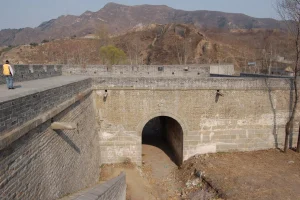
Zijingguan Pass Great Wall Guide: Yixian Gate, Valley Setting and Respectful Visits
Plan a thoughtful Zijingguan Pass visit in Yixian: Great Wall history, the Taihang mountain setting, protection-aware access, and…
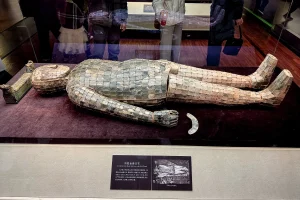
Mancheng Han Tombs Guide: Jade Burial Suits, Archaeology and a Thoughtful Baoding Visit
Understand the Mancheng Han Tombs near Baoding: the Lingshan archaeological site, the famous jade burial suits, museum context,…