
Dingzhou Day Trip from Shijiazhuang or Baoding: Ancient Tower, Confucian Temple and Old City
Dingzhou is a low-key heritage stop in central Hebei, useful for travelers who want an old-city day without the heavier crowds of better-known routes. It is a county-level city under Baoding, but it also works well from Shijiazhuang because it sits on the main north-south rail corridor between Shijiazhuang, Baoding, and Beijing.
This guide is for travelers comparing Dingzhou with Zhaoxian, Zhengding, Baoding, and other Hebei attractions. Dingzhou is not a scenery-first destination. Its value is in a compact heritage route built around Kaiyuan Temple Pagoda, Confucian education, exam-hall history, and a quieter old-city rhythm.
Quick Planning Snapshot
- Best for: heritage travelers, old towers, Confucian culture, civil-service examination history, and a quieter Hebei city stop.
- Best base: Shijiazhuang or Baoding. Beijing is possible as a longer day only when train and local transfer times fit cleanly.
- Time needed: one day for the main heritage route; half a day is rushed unless you only see one or two sites.
- Core stops: Kaiyuan Temple Pagoda, Dingzhou Confucian Temple, Dingzhou Examination Hall, and the surrounding old-city streets.
- Before going: verify current opening hours, ticketing rules, interior access, and whether any heritage buildings have temporary restrictions.
Why Dingzhou Works as a Day Trip
Dingzhou is easy to underestimate because it is not usually the first Hebei name foreign travelers hear. That is also the appeal. The city gives you a more local, less packaged view of Hebei heritage: a famous brick pagoda, scholar-official culture, Confucian education, examination history, and streets that still feel like a working county-level city rather than a polished resort.
If your trip already includes the Hebei Museum in Shijiazhuang, Dingzhou adds a useful field layer: instead of seeing culture only in galleries, you spend a day around the kinds of sites that shaped local education, religion, administration, and urban memory.
Stop 1: Kaiyuan Temple Pagoda
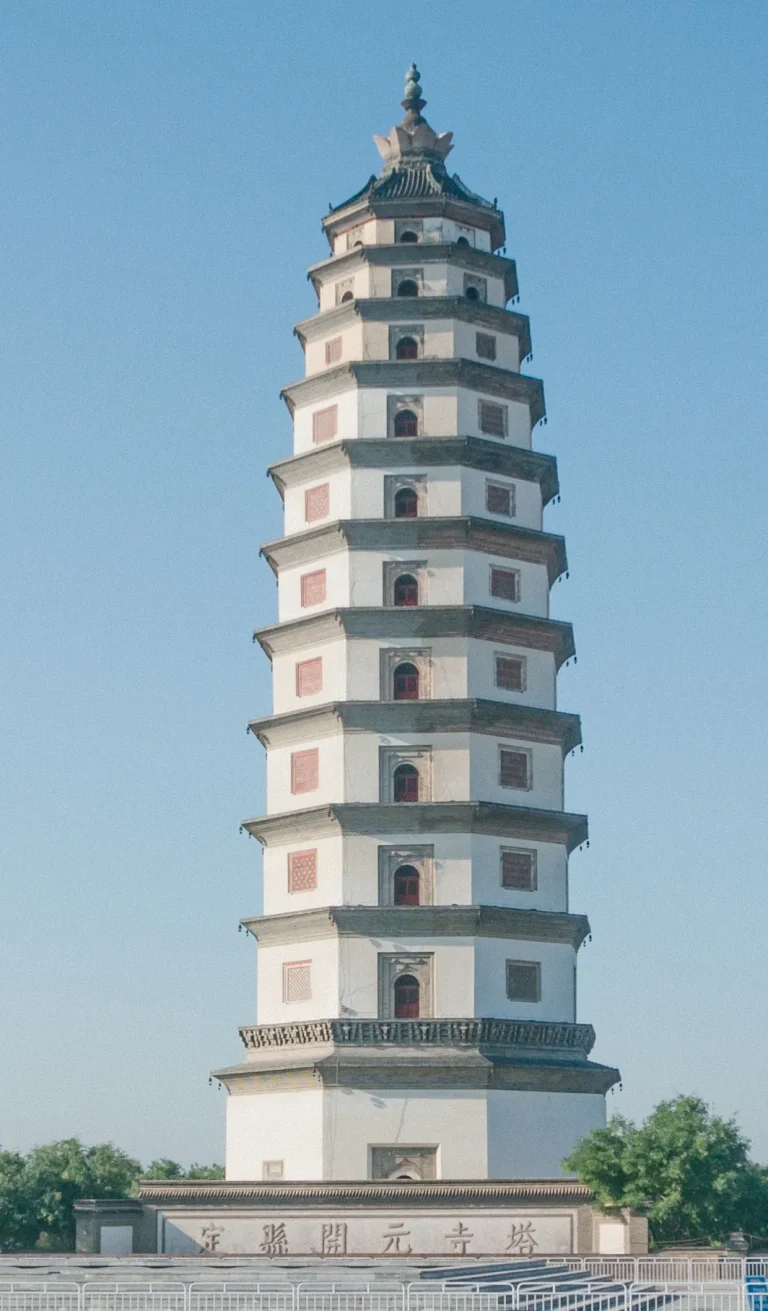
Kaiyuan Temple Pagoda is the first stop most travelers should plan around. It is the city landmark and the image most closely associated with Dingzhou. You may also see it referred to as Liaodi Pagoda in English or Chinese-language materials. The exact visitor experience can change: some historic pagodas allow only exterior viewing at certain times, while interior entry or climbing may be restricted for safety and conservation. Treat the tower as a heritage-viewing stop first, and verify access before building the whole day around going inside.
For photography, give yourself time outside the tower area rather than rushing straight to the next site. The pagoda is tall and vertical, so a normal phone camera can crop it awkwardly. Step back, try a vertical frame, and include nearby street context if you want the image to feel like Dingzhou rather than just a monument close-up.
Stop 2: Dingzhou Confucian Temple
The Confucian Temple makes Dingzhou more than a single-pagoda stop. It connects the city to education, ritual, local official culture, and the way county-level towns organized learning for centuries. For foreign travelers, this is the stop where the route needs a little interpretation: the site is not only about architecture, but about how classical education and official status shaped life in old China.
Opening details for smaller heritage sites can change, especially around maintenance, events, holidays, or local management adjustments. Before you go, check the current listing through official local channels, your hotel, or the ticket office. If the Confucian Temple is closed that day, keep the route flexible and spend more time at Kaiyuan Temple Pagoda, the Examination Hall, and the surrounding old-city area.
Stop 3: Dingzhou Examination Hall
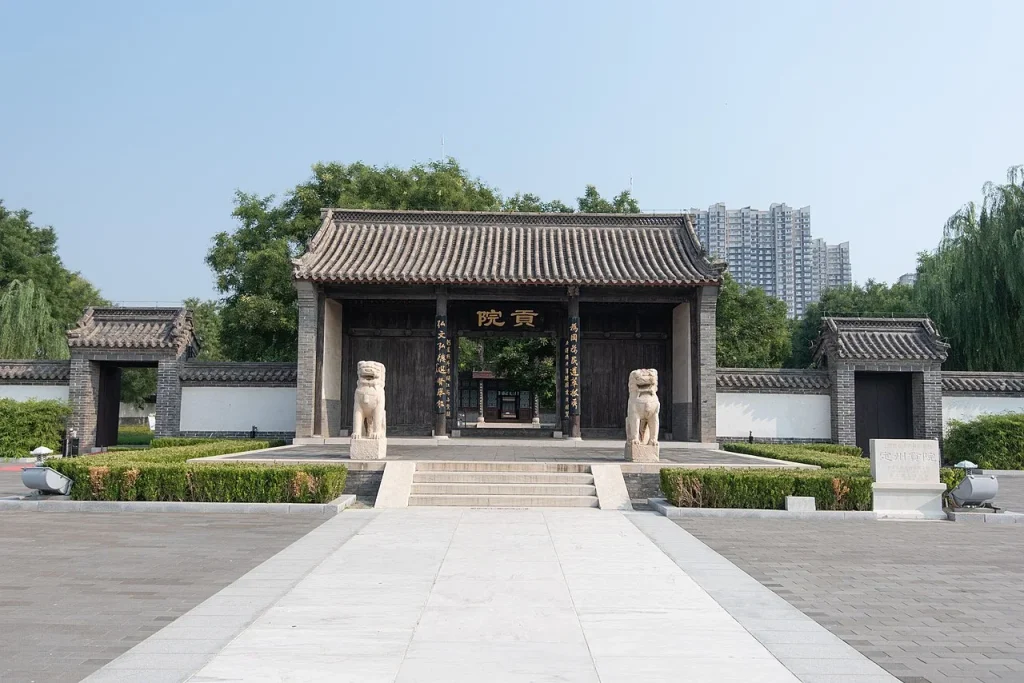
Dingzhou Examination Hall, often called Dingzhou Gongyuan in Chinese contexts, is the natural companion to the Confucian Temple. Together, the two stops help explain why education and examination culture mattered so much in old county cities. The Confucian Temple points to learning and ritual; the Examination Hall points to selection, status, and official career paths.
This is the site where the day trip becomes more distinctive. Many Hebei routes offer temples, old streets, or mountain scenery, but fewer give visitors an easy way to connect Confucian learning with the exam system in one small-city itinerary. Read signs carefully, use translation if needed, and do not reduce the stop to a quick doorway photo.
Suggested One-Day Route
- Morning: take an early train or arranged transfer to Dingzhou, then start with Kaiyuan Temple Pagoda while light and energy are still good.
- Late morning: walk or transfer to Dingzhou Confucian Temple, leaving extra time for translation and site interpretation.
- Lunch: keep lunch simple near the old city or station area. Dingzhou is better treated as a heritage day than a food-led trip.
- Afternoon: visit Dingzhou Examination Hall and nearby old-city streets, then return to the station with a buffer before your train.
- Evening: return to Shijiazhuang or Baoding. If returning to Beijing, avoid the last practical connection unless you have confirmed all transfers.
Dingzhou or Other Hebei Day Trips?
Choose Dingzhou if you want a quieter heritage route with education and exam-culture depth. Choose Zhaoxian if your priority is Zhaozhou Bridge and a more focused architecture-and-Buddhist-temple day. Choose Zhengding if you want denser temple stops, evening atmosphere, and stronger restaurant options. Choose Baiyangdian if you want wetland water scenery instead of old-city heritage.
For a first-time Hebei route, Dingzhou is best after you have already covered Shijiazhuang, Zhengding, or Baoding basics. For repeat travelers, it is exactly the kind of second-layer stop that makes Hebei feel less generic.
Transport Notes from Shijiazhuang, Baoding, and Beijing
From Shijiazhuang or Baoding, Dingzhou is usually the cleanest as a same-day rail trip, followed by local taxi or ride-hailing between sites. From Beijing, use the Beijing to Hebei transport guide for the intercity section, then check final-mile transport carefully. A Beijing same-day visit is possible in theory, but it is less forgiving if a site closes early or your return train is late.
Foreign travelers should also read the Hebei documents guide. Smaller stations and ticket counters may still require real-name checks, and carrying your passport makes transport and heritage-site ticketing easier.
Practical Tips
- Do not rely on old blog posts for opening hours or interior access; verify current details close to the travel date.
- Keep the itinerary compact. Dingzhou is not a city where you should overpack distant side stops into one day.
- Use Chinese names in maps: 定州开元寺塔, 定州文庙, and 定州贡院.
- Carry cashless payment options and your passport, but also keep screenshots of key addresses in Chinese.
- Expect limited English interpretation compared with Beijing, Xi’an, or major resort cities.
- Pair the day with Shijiazhuang, Zhengding, or Baoding rather than treating it as a standalone first trip to China.
References and Current Checks
Before traveling, verify current details through official or non-competitive sources, including Dingzhou or Baoding cultural-heritage listings, station and ticketing information, Great Wall Network’s Dingzhou city introduction, and the image-license pages for the Kaiyuan Temple Pagoda photo and Dingzhou Examination Hall photo. Because smaller heritage sites can change access rules, treat live opening information as more important than older travel descriptions.
For the tower itself, use the Kaiyuan Temple Pagoda guide for route and visitor details.
Dingzhou Kaiyuan Temple Pagoda Guide: Liaodi Pagoda, Old City and Train Tips
Plan Dingzhou Kaiyuan Temple Pagoda with Liaodi Pagoda history, old-city route ideas, photo priorities, Beijing train logic, timing,…
Beijing to Dingzhou High-Speed Train Guide: Pagoda, Exam Hall and Old City Tips
Use this Beijing to Dingzhou high-speed train guide to plan Dingzhou East Station arrivals, old-city transfers, Kaiyuan Temple…
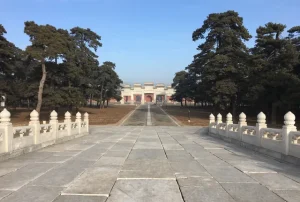
Western Qing Tombs Day Trip from Beijing or Baoding: Yixian Route and Visitor Tips
Plan a Western Qing Tombs day trip in Yixian, Baoding, with Beijing and Baoding route logic, Qing imperial…
Cangzhou Day Trip: Iron Lion, Grand Canal and Old City Culture
Plan a Cangzhou day trip around the Iron Lion, Grand Canal context, local culture, city food, transport timing,…
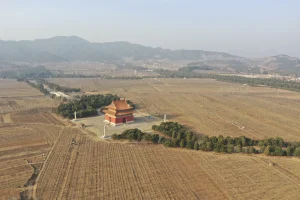
Zunhua Eastern Qing Tombs Day Trip from Beijing or Tangshan
Plan a Zunhua Eastern Qing Tombs day trip from Beijing, Tangshan or Chengde with route timing, imperial tomb…
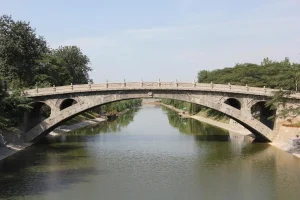
Zhaoxian Day Trip from Shijiazhuang: Zhaozhou Bridge, Bailin Temple and Local Route
Plan a focused Zhaoxian day trip from Shijiazhuang with Zhaozhou Bridge, Bailin Chan Temple, route timing, transport choices,…