
Pilu Temple Shijiazhuang Guide: Ming Murals, Respectful Visits and Route Tips
Pilu Temple is one of Shijiazhuang’s strongest art-history stops, but it rewards a different pace from a large museum or a famous temple complex. The site is compact. Its real importance is the Ming mural program inside the principal halls, where richly painted figures and inscriptions invite close, patient looking rather than a fast sightseeing loop.
For travelers, this makes Pilu Temple a good half-day heritage visit from central Shijiazhuang. Go with enough time to read the displays, adjust to the lower light around the paintings, and follow the museum’s current rules. Do not plan it as a quick photo stop between distant attractions.
Why the murals matter
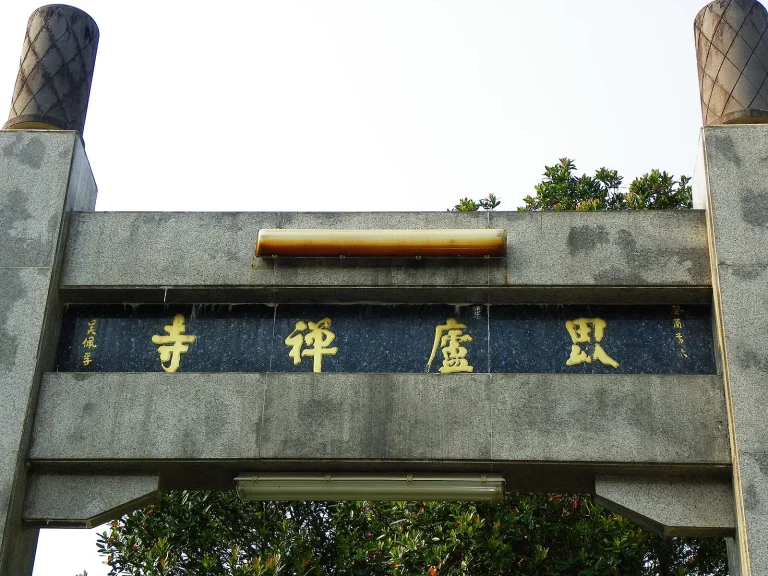
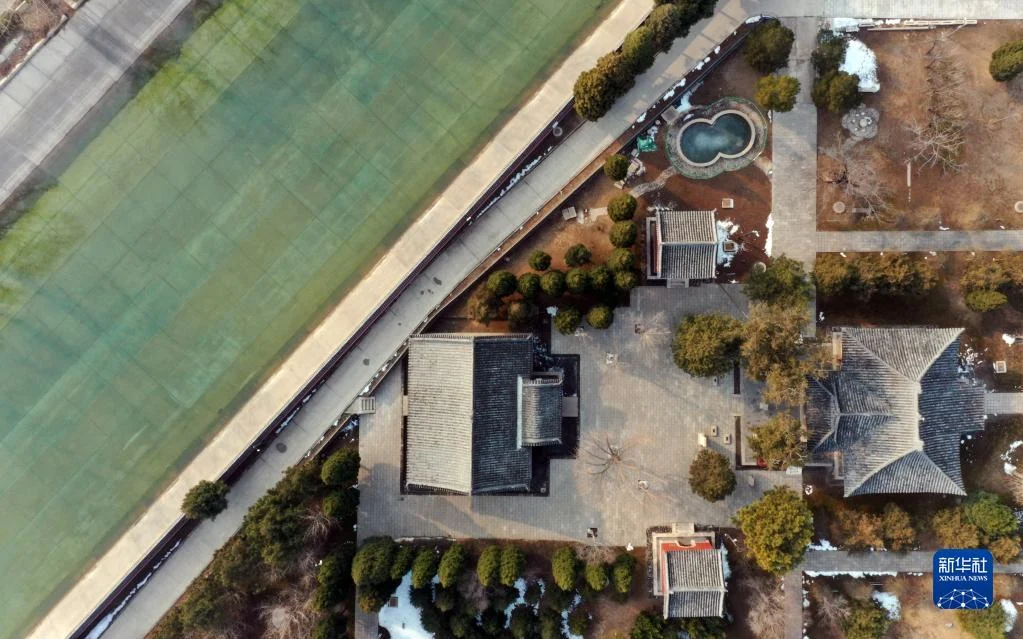
Hebei’s Cultural Heritage Bureau identifies Pilu Temple in Shangjing Village, northwest of Shijiazhuang, as a national-level protected cultural site. The surviving Shakyamuni Hall and Pilu Hall are associated with major Ming rebuilding, and the mural program is the reason serious visitors seek out the temple.
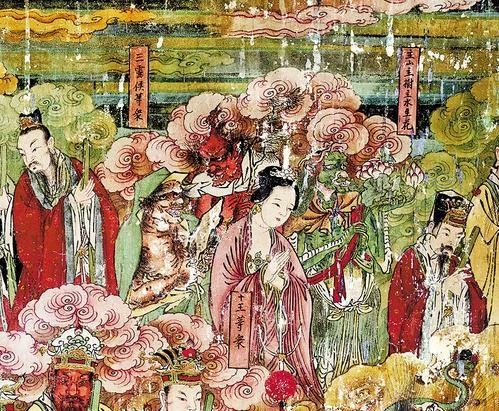
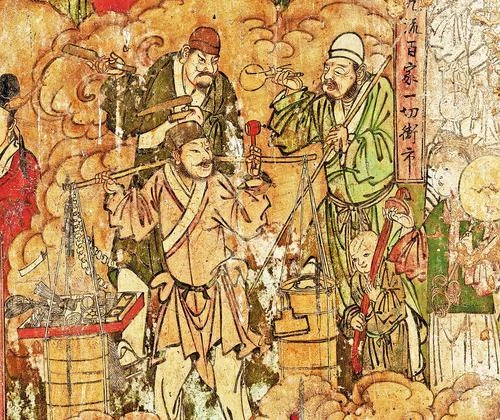
The paintings are valuable not only for Buddhist imagery. Official heritage descriptions note a mixture of Buddhist, Daoist, and Confucian figures and ideas. That combination is an important clue to how religious and social worlds overlapped in Ming-period north China. Look for the relationship between figures, costume, clouds, architecture, labels, and the way scenes unfold across the wall, rather than trying to identify every character.
How to visit respectfully
- Check current access first: conservation work, exhibitions, and visitor controls can affect what is open or how long you can stay in a hall.
- Follow photography rules: do not assume interior photography is allowed. Never use flash around murals, and follow staff instructions immediately.
- Give the paintings time: a slower visit is more useful than trying to see the temple in a few minutes.
- Keep the space quiet: treat it as a heritage museum and a religious-art setting, not a backdrop for staged photos.
A practical Shijiazhuang route
Use Pilu Temple as the art-focused part of a Shijiazhuang day. Start from your central hotel with a saved Chinese address and enough time for the local transfer. The exact route is more important than a generic straight-line distance, so confirm the day’s taxi, ride-hailing, or public-transport option before leaving.
After Pilu Temple, choose one contrasting stop rather than attempting several temple sites in a rush. The Hebei Museum guide is useful for a broader archaeological and historical context. For a larger city-and-heritage plan, use the Shijiazhuang first-time guide. If Zhengding is on your itinerary, keep its major monuments for a separate day and begin with the Longxing Temple guide.
What to look for in the mural program
- Scale and density: notice how many figures share a single scene and how the painter organizes them.
- Color and line: look at mineral-style color contrasts, flowing outlines, and smaller ornamental details.
- Multiple traditions: the murals bring together Buddhist, Daoist, Confucian, and popular-belief imagery; that mixture is central to the site’s importance.
- Condition: murals are fragile. Visible aging is a reminder to view from the permitted distance and not treat old online photos as a substitute for current on-site rules.
Current planning notes
The Hebei Cultural Heritage Bureau approved a protection-facility project for Pilu Temple’s murals in 2025. That is a good reason to avoid publishing fixed entry procedures, ticket prices, or interior access claims here: confirm current arrangements directly with the museum before you travel. Build a flexible alternative into the day, such as the Hebei Museum or a central-city walk, in case an interior space has restricted access.
Pilu Temple is best for visitors who want to understand why a modest-looking site can be one of a city’s most significant cultural stops. Go for the painted walls, allow time to look carefully, and let the rest of your Shijiazhuang trip provide the wider urban and historical frame.
Official references and current checks
For the protected-site description and the Ming halls and murals, consult the Hebei Cultural Heritage Bureau record. Its 2025 mural feature provides further art context, while the 2025 protection-facility approval explains why current access must be checked locally.
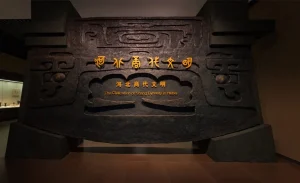
Hebei Museum Guide in Shijiazhuang: What to See, Time Needed and Visitor Tips
Plan a Hebei Museum visit in Shijiazhuang with exhibit priorities, time needed, route ideas, booking and opening checks,…
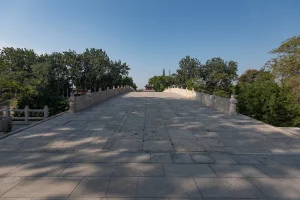
Zhaozhou Bridge Guide: Anji Bridge Engineering, Stone Carvings and Zhao County Visit
Plan a Zhaozhou Bridge visit in Zhao County with Sui-dynasty engineering context, stone-carving details, practical pacing, and links…
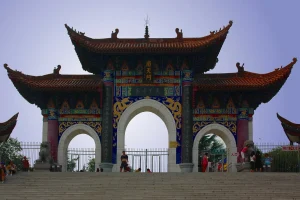
Baodu Zhai Shijiazhuang Guide: Mountain Fortress, Cable Car and Day Trip Tips
Plan Baodu Zhai near Shijiazhuang with mountain views, Nantianmen, cable car choices, walking time, transport notes, and practical…
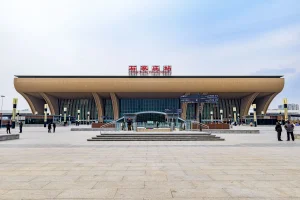
Beijing to Shijiazhuang High-Speed Train Guide: Stations, Tickets and Day Trip Ideas
Plan a Beijing to Shijiazhuang high-speed train trip with station choices, 12306 booking notes, passport tips, and easy…
Xibaipo Day Trip from Shijiazhuang: Red History, Route Planning and Visitor Tips
Plan a Xibaipo day trip from Shijiazhuang with official opening-hour checks, transport options, what to see, timing, and…
Cangyan Mountain Day Trip from Shijiazhuang: Cliff Temples, Hiking and Route Tips
Plan a Cangyan Mountain day trip from Shijiazhuang with cliff-temple highlights, hiking effort, transport choices, timing, safety notes,…