
Kailuan National Mine Park Guide: Tangshan Industrial Heritage and Underground Visits
Kailuan National Mine Park gives Tangshan a travel experience that is very different from a traditional old town, temple, or lakeside park. Its value is industrial heritage: brick mining buildings, museum interpretation, railway and coal-industry context, and the possibility of an underground-focused visit when the relevant route is operating.
For international visitors, it works best as a deliberate half-day or longer Tangshan stop. The site has more meaning when you arrive with a simple question in mind: how did mining, rail transport, labor, and city growth shape Tangshan? That framing makes the museum objects and old industrial spaces more useful than treating the park as a generic photo location.
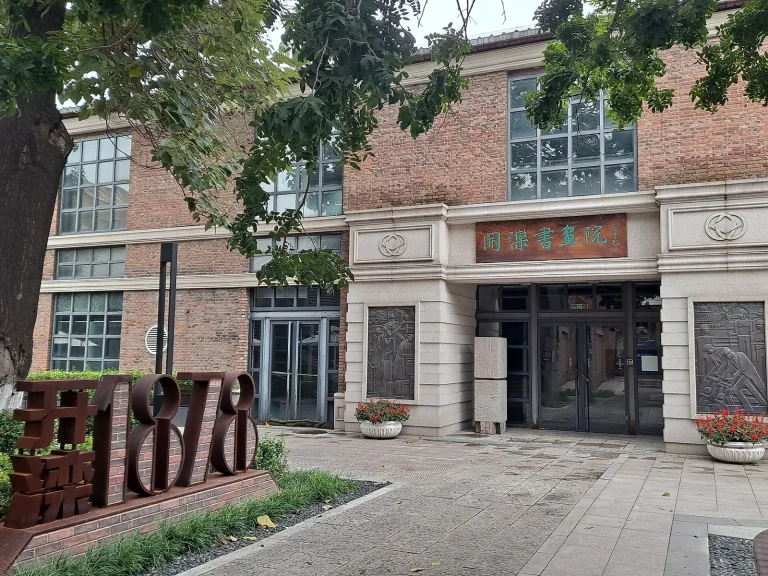
What makes Kailuan different
Tangshan is closely associated with modern industry, and Kailuan is one of the clearest places to see that history at ground level. The park brings together a museum setting and surviving industrial structures rather than recreating an imaginary ancient street. That is why it pairs well with a wider Tangshan trip: it explains a different layer of the city from Nanhu’s environmental restoration, the earthquake memorials, or canal-era destinations further out.
The Tangshan cultural-tourism authority describes Kailuan National Mine Park as part of the integrated Tangshan Nanhu-Kailuan visitor area. Its official notice names the Kailuan Museum, an underground exploration component, and the China Railway Origin Museum among the park-side attractions. Exact access, ticket combinations, and operating days can change, so treat that list as orientation and confirm the current arrangement before setting out.
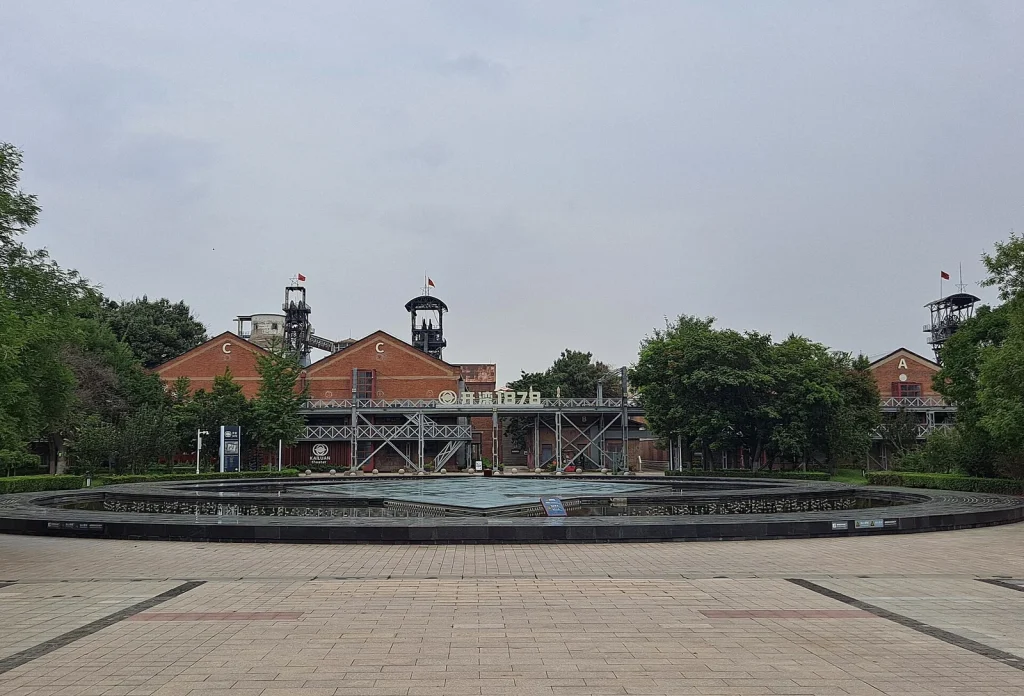
How to plan the underground part
The underground element is the main reason many visitors choose Kailuan, but it should never be assumed to run exactly as an old travel post describes. Confirm whether the underground route is operating, whether it is included in the day’s ticket, what footwear or health restrictions apply, and whether staff-led timing affects your visit. A closed or limited underground section does not make the trip pointless, but it changes the best use of your time.
- Allow a buffer: guided or timed entries may not align with your arrival from the railway station.
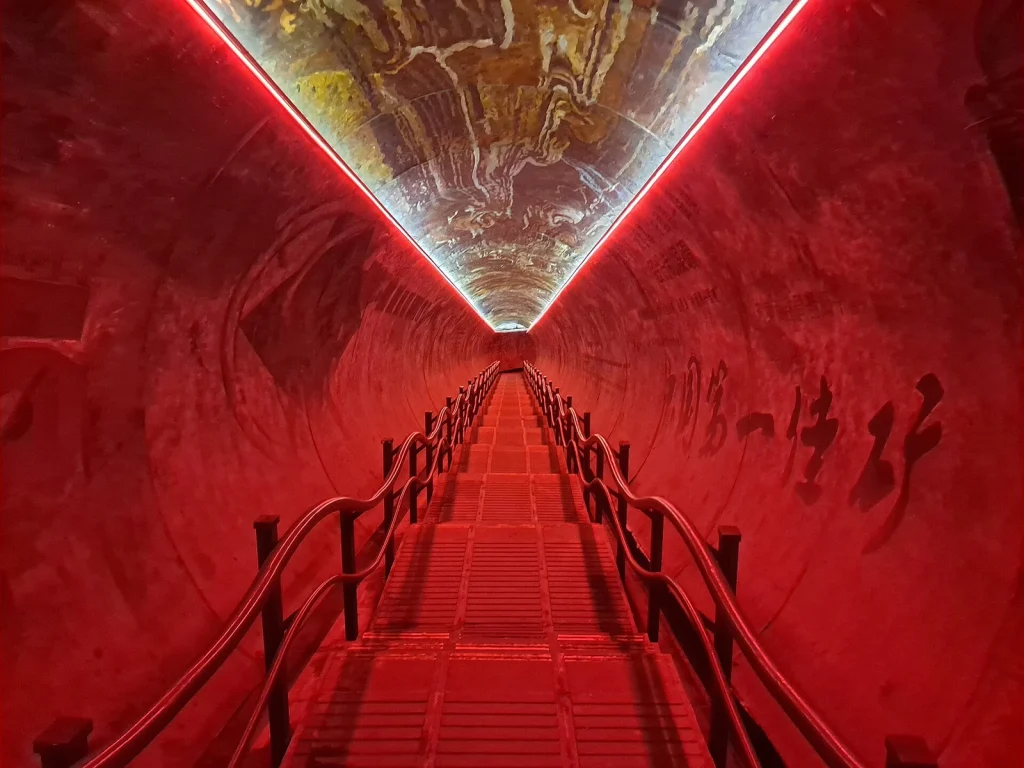
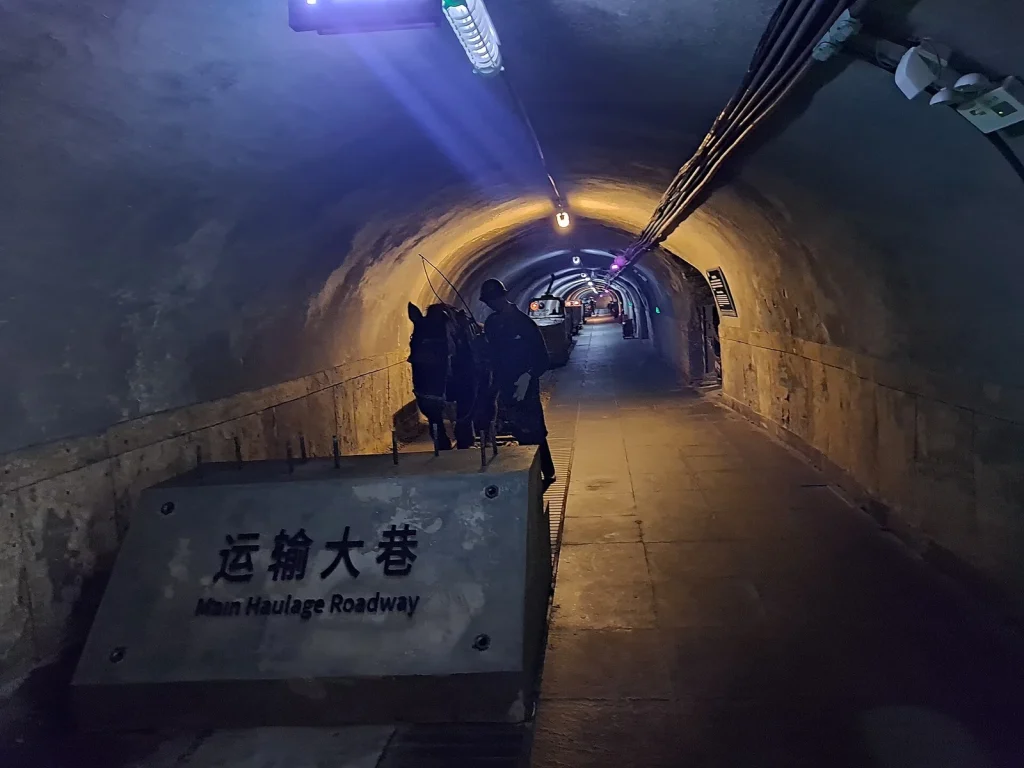
- Dress for the setting: underground spaces can feel cooler, dimmer, and more enclosed than the outdoor museum area.
- Follow safety instructions: this is heritage interpretation connected to mining history, not an independent adventure route.
- Keep an alternative: if the underground component is unavailable, use the museum and above-ground structures, then continue to Nanhu or central Tangshan.
A practical Tangshan route
Start with transport, not the museum clock
If you are coming from Beijing, begin with the Beijing to Tangshan train guide and leave enough time for the local transfer. Do not build the day around a tight museum or underground-entry assumption until you have checked the current notice. A central hotel, saved Chinese address, and a ride-hailing plan make the logistics easier.
Choose one companion stop
For a balanced day, combine Kailuan with one contrasting Tangshan experience. The Tangshan Nanhu Park guide helps explain the city’s reclaimed landscape, while the Tangshan day-trip guide gives broader context around the earthquake memorial and city center. Avoid trying to add a distant ancient town or coastal trip on the same day.
What to notice inside the museum
- Industrial systems: look beyond individual machines to see how mines, rail links, workshops, and workers formed one connected system.
- City transformation: use the exhibits to understand why Tangshan grew around industrial activity.
- Human stories: work routines, safety, housing, and technical change give the heritage site more depth than a list of dates.
- Interpretation language: English coverage may vary, so a translation app and a few prepared questions can make labels and maps more useful.
Current checks before travel
Do not rely on fixed opening hours, last-entry times, ticket prices, or underground availability from older articles. Check the current Tangshan Nanhu-Kailuan official channel or contact point before departure, especially on Mondays, public holidays, and poor-weather days. If a component is unavailable, plan the museum and above-ground heritage area as the core visit and keep Nanhu as the flexible second stop.
Kailuan National Mine Park is most rewarding for travelers who want to understand the industrial forces behind Tangshan rather than only see its landmarks. Give it time, keep the schedule flexible, and let the museum and surviving structures shape the story of the city.
Official references and current checks
For the Tangshan Nanhu-Kailuan integrated visitor-area context and the park-side components named in the official notice, see the Tangshan Cultural Tourism Bureau notice. For the larger connection between Nanhu and the mine park, see the Hebei Department of Culture and Tourism report. Confirm all operational details directly before travel.
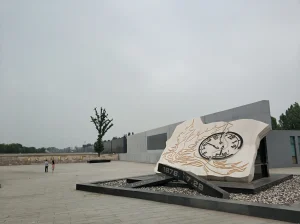
Tangshan Earthquake Memorial Park Guide: Museum, Memorial Wall and 1976 Ruins
Visit Tangshan Earthquake Memorial Park with context: the memorial wall, preserved industrial ruins, the 2026 museum reopening and…
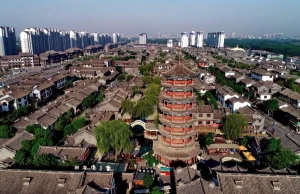
Luanzhou Ancient City Tangshan Guide: Canal Streets, Night Walks and Route Tips
Plan Luanzhou Ancient City in Tangshan with canal-street views, reconstructed old-town context, night-walk ideas, Beijing route logic, and…
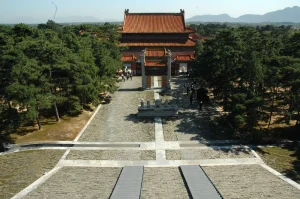
Eastern Qing Tombs Guide: Zunhua Imperial Tombs, Sacred Way and Beijing Route Tips
Plan Eastern Qing Tombs in Zunhua with Qing imperial history, Sacred Way priorities, Beijing and Tangshan route tips,…
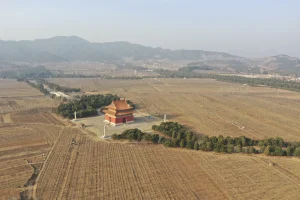
Zunhua Eastern Qing Tombs Day Trip from Beijing or Tangshan
Plan a Zunhua Eastern Qing Tombs day trip from Beijing, Tangshan or Chengde with route timing, imperial tomb…
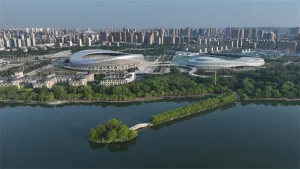
Tangshan Nanhu Park Guide: Lake Walks, Urban Renewal and Beijing Train Tips
Plan Tangshan Nanhu Park with lake walks, urban renewal context, Beijing train links, best timing, city pairings, hotels,…
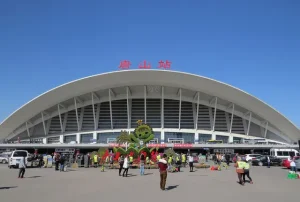
Beijing to Tangshan Train Guide: Stations, Tickets and Day Trip Planning
Plan a Beijing to Tangshan train trip with station checks, ticket tips, Tangshan day-trip ideas, Nanhu Park, the…