
Beijing to Dingzhou High-Speed Train Guide: Pagoda, Exam Hall and Old City Tips
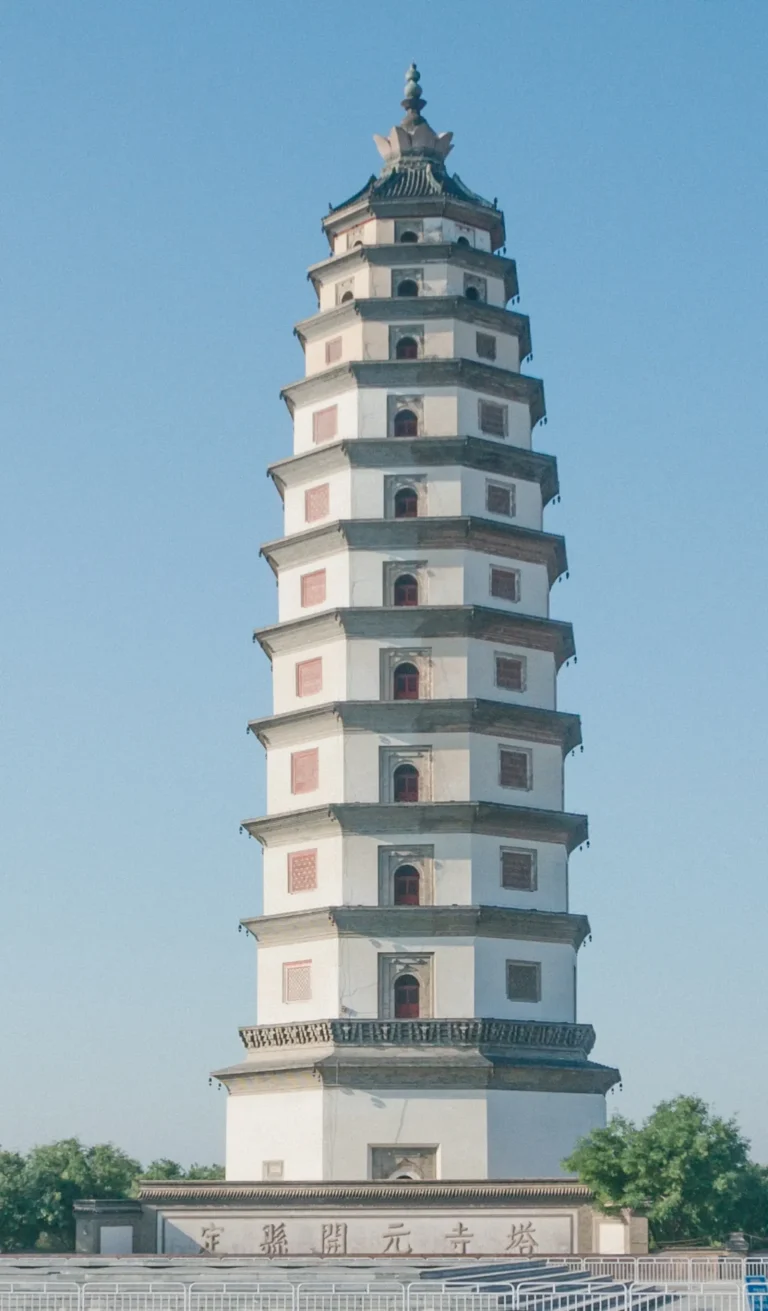
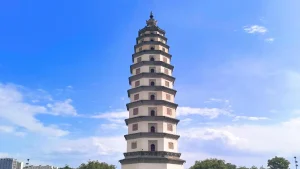
Dingzhou is a useful small-city target if you want a Hebei trip from Beijing that is built around high-speed rail, old-city walking and one very strong landmark. The city sits in Baoding’s county-level city network, and its best-known sight is Kaiyuan Temple Pagoda, an 11-storey tower that gives the old city a clear visual center. This guide focuses on the Beijing to Dingzhou train logic first, then builds a practical route around Dingzhou East Station, the pagoda area, Dingzhou Exam Hall and the Confucian Temple.
Why Dingzhou works as a rail-based Hebei trip
Dingzhou is not as internationally famous as Chengde, Qinhuangdao or Shijiazhuang, which is exactly why it needs a different planning style. It is better for travelers who have already covered the obvious Hebei routes and want a smaller historic city with a focused route. The main advantage is that the trip can be organized around one arrival station and a compact old-city core instead of a long countryside transfer.
If you are still comparing Hebei routes from Beijing, start with the broader Beijing to Hebei by train guide. If you want a bigger city with more food and museums, the Beijing to Baoding day trip may be easier. If you want a provincial-capital base, compare it with the Beijing to Shijiazhuang high-speed train guide. Dingzhou is the narrower choice: old city, tower, exam culture and a slower walking rhythm.
Train planning: Beijing to Dingzhou East
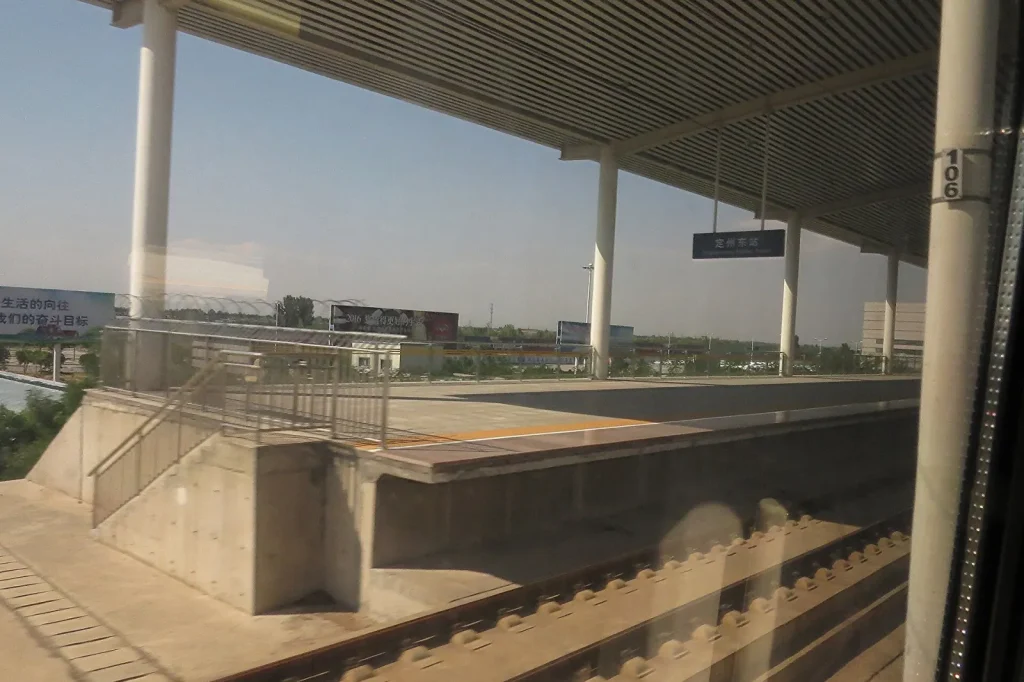
For high-speed rail, search for trains from Beijing to Dingzhou East on the official 12306 platform before fixing your day plan. Exact departures, travel time and seat availability change by date, station and railway adjustment, so do not build the trip from an old screenshot or a copied timetable. The key checks are simple: which Beijing station your train uses, whether the arrival is Dingzhou East, and whether the return train leaves enough buffer after your old-city route.
Dingzhou East is not the same as standing in front of the pagoda. After arrival, leave time for the transfer into the old city by taxi, ride-hailing or local transport. If you travel with family, luggage or a tight return train, treat the station transfer as part of the itinerary rather than as a small detail. This is especially important in summer heat, winter wind or when you want to photograph the pagoda around late afternoon.
The core route: pagoda, exam hall and old-city streets
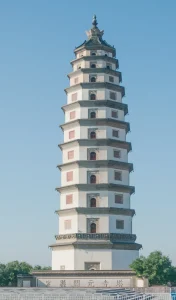
The strongest first stop is Kaiyuan Temple Pagoda. Official and cultural sources describe it as one of China’s major ancient masonry pagodas, and the Hebei cultural tourism department places it at the heart of the Kaiyuan Temple Pagoda historic cultural block. Even if you do not climb or enter every interior space, the tower gives the route a strong sense of place and helps visitors understand why Dingzhou is more than a transfer point between larger Hebei cities.
After the pagoda area, continue the route through the nearby old-city streets rather than rushing immediately to the next taxi. The surrounding blocks have been discussed by provincial cultural tourism sources as part of a restored historic area with old streets, traditional courtyards, commercial lanes and several cultural stops. This is where Dingzhou works best: short distances, architectural fragments, local food breaks and a city rhythm that feels different from Beijing’s large-scale sightseeing.
How to use Dingzhou Exam Hall and Confucian Temple
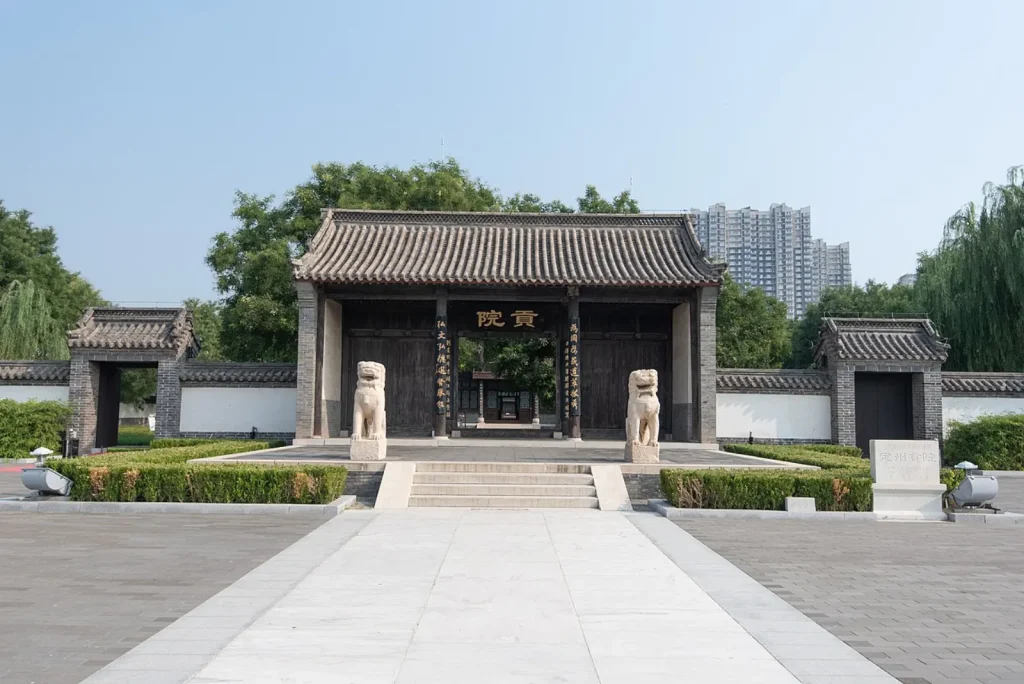
Dingzhou Exam Hall is useful because it adds a second theme to the trip. Instead of making the whole day only about a tower, it lets you connect the city with imperial examination culture, education and old administrative life. For foreign visitors, that makes the route easier to explain: the pagoda gives the skyline, while the exam hall explains how learning, status and official careers shaped traditional cities.
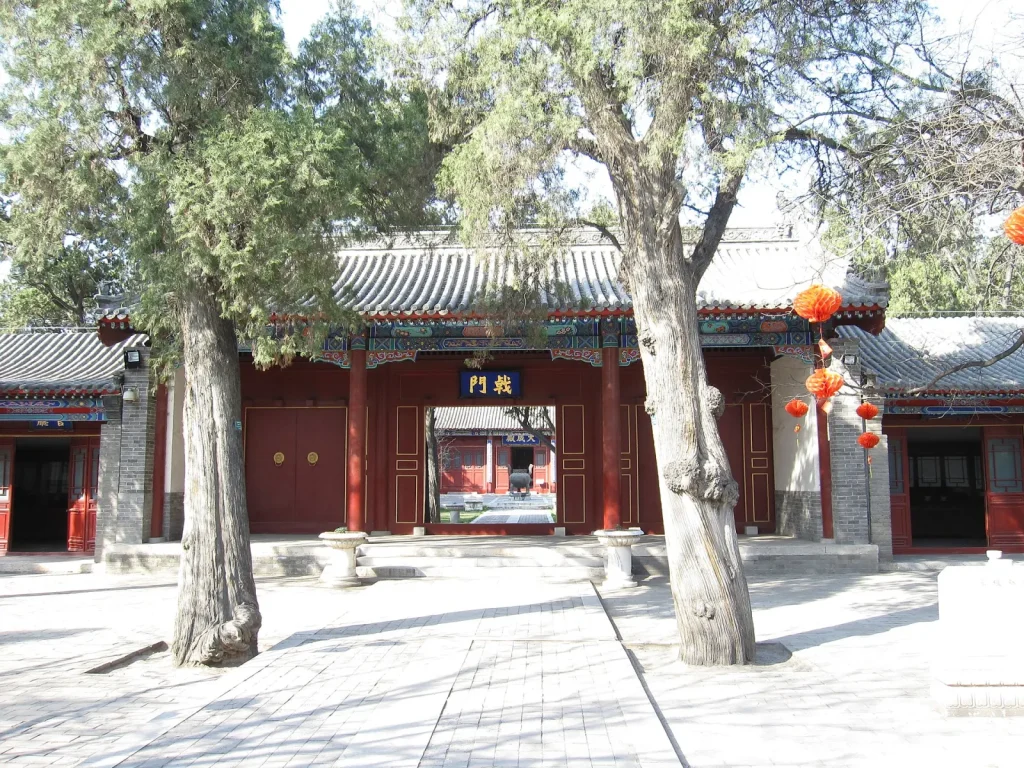
The Confucian Temple is a good add-on if your train timing is comfortable. Use it as a quieter stop rather than trying to force every site into a rushed checklist. Dingzhou is best when the route has time for walking, looking back at the tower from side streets, checking small shops and allowing a meal break. If you only have a short window, prioritize the pagoda area and one nearby cultural site.
Suggested one-day timing from Beijing
- Morning: take a high-speed train to Dingzhou East after checking the current 12306 schedule and passport ticket rules.
- Late morning: transfer from Dingzhou East to the old city and begin around Kaiyuan Temple Pagoda.
- Lunch: keep the meal near the old-city area so you do not lose time crossing the city.
- Afternoon: add Dingzhou Exam Hall, Confucian Temple or old-street walking depending on opening conditions and energy.
- Return: leave a transfer buffer for Dingzhou East, especially if your Beijing return train is the last practical option.
When Dingzhou is the right choice, and when it is not
Choose Dingzhou if you like compact heritage routes, old-city walking and less crowded places. It works well as a second-level Hebei trip after you have already considered Baoding, Shijiazhuang, Chengde or Qinhuangdao. It is also a practical companion to the existing Dingzhou day trip from Shijiazhuang or Baoding, but this article narrows the intent to travelers starting from Beijing by train.
Do not choose Dingzhou if your priority is a famous international landmark, luxury hotel choice, nightlife or a beach-style holiday. For those needs, Hebei has better matches. Dingzhou is more rewarding when you treat it as a precise cultural route: arrive by rail, move into the old city, anchor the day around Kaiyuan Temple Pagoda, then add one or two nearby stops without overloading the schedule.
Before you go
Check current train availability, attraction access, ticket notices and weather before departure. Some older online travel descriptions mix old opening information, outdated ticket details and copied train times. For a better trip, use official railway search for the train, official or local government sources for visitor notices, and then build a conservative route with enough transfer time.
References and useful official checks
- 12306 China Railway official English site for current train search and ticket rules.
- Hebei Provincial Department of Culture and Tourism background on the Kaiyuan Temple Pagoda historic cultural block.
- Dingzhou government notice for current ticket policy checks before visiting.
- China Daily government portal feature for historical context on Kaiyuan Temple Pagoda.
- Image source notes: station and Confucian Temple reference images were checked against Wikimedia Commons file pages for Dingzhou East Railway Station and Dingzhou Confucian Temple.
Dingzhou Kaiyuan Temple Pagoda Guide: Liaodi Pagoda, Old City and Train Tips
Plan Dingzhou Kaiyuan Temple Pagoda with Liaodi Pagoda history, old-city route ideas, photo priorities, Beijing train logic, timing,…
Dingzhou Day Trip from Shijiazhuang or Baoding: Ancient Tower, Confucian Temple and Old City
Plan a Dingzhou day trip from Shijiazhuang or Baoding with Kaiyuan Temple Pagoda, Confucian Temple, Examination Hall, route…
Guangfu Ancient City Guide in Handan: Water Town Walls, Tai Chi Roots and Beijing Train Tips
Plan Guangfu Ancient City in Handan with old walls, water-town scenery, Tai Chi heritage, Beijing train links, timing,…
Tangshan Nanhu Park Guide: Lake Walks, Urban Renewal and Beijing Train Tips
Plan Tangshan Nanhu Park with lake walks, urban renewal context, Beijing train links, best timing, city pairings, hotels,…
Dajingmen Great Wall Guide in Zhangjiakou: Gate, Trade Route and Beijing Train Tips
Plan Dajingmen in Zhangjiakou with Great Wall history, Zhangku trade route context, Beijing train links, walking tips, seasons,…
Beijing to Zhangjiakou High-Speed Train Guide: Stations, Chongli and Dajingmen Tips
Plan a Beijing to Zhangjiakou high-speed train trip with station choices, Zhangjiakou Station, Taizicheng, Chongli, Dajingmen and realistic…