
Hebei Museum Guide in Shijiazhuang: What to See, Time Needed and Visitor Tips
Hebei Museum is the best indoor starting point for understanding Shijiazhuang and the wider Hebei region. If Zhengding shows you old streets and temple compounds, and Cangyan Mountain shows you cliff scenery, the museum gives the background: ancient Zhongshan culture, Han tomb finds, stone carving, wall painting, ceramics, Shang-era archaeology, anti-Japanese history, and intangible heritage in one city-center stop.
This guide is written for travelers using Shijiazhuang as a first Hebei base. It focuses on what to see first, how long to allow, how to connect the museum with nearby day trips, and what to verify on the official museum site before you go.
Quick Planning Snapshot
- Best for: first-time Hebei travelers, history context, families, rainy days, hot summer afternoons, and slower travel days in Shijiazhuang.
- Time needed: 90 minutes for a quick visit, 2 to 3 hours for the main galleries, and half a day if you also follow temporary exhibitions.
- Where it fits: central Shijiazhuang, useful before or after routes to Zhengding, Zhaoxian, or Cangyan Mountain.
- Before going: check the official site for opening hours, reservation rules, temporary exhibitions, ID or passport requirements, and any gallery closures.
Why Hebei Museum Matters
The official museum introduction says Hebei Museum grew from the former Hebei Provincial Museum, founded in April 1953. It describes the institution as Hebei’s largest comprehensive humanities museum and a national first-class museum. The main campus is at No. 4 Dongdajie in Shijiazhuang, and the museum introduction lists 10 permanent displays at the main campus.
The same official introduction says that, by the end of 2025, the museum held more than 340,000 objects, including more than 49,000 precious cultural relics. For visitors, the value is not only the number. The museum helps connect many places that appear across Hebei travel routes: Zhongshan history near central Hebei, Mancheng Han tomb material from Baoding, Quyang stone carving, ceramics from famous Hebei kilns, and modern history tied to the wider Yan-Zhao region.
What to See First
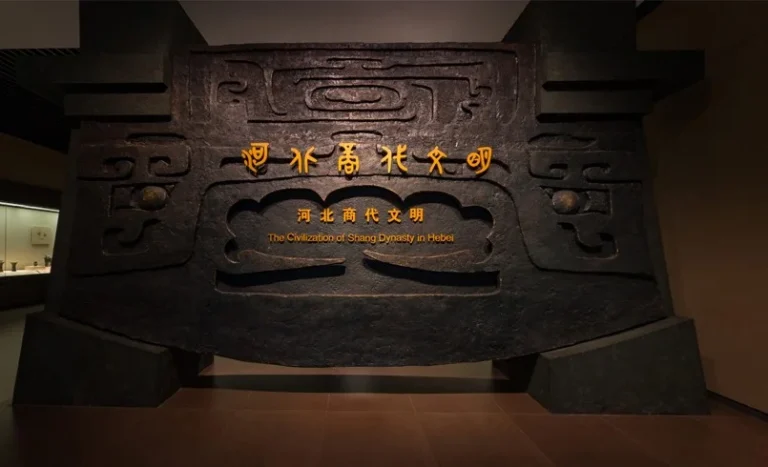
If you have limited time, prioritize the permanent galleries that explain Hebei’s regional identity. The official introduction lists displays including Warring States Grandeur: Ancient Zhongshan State, Unforgettable Han Splendor: Mancheng Han Tombs, Yan-Zhao Stories, Quyang Stone Carving, Northern Dynasties Murals, Famous Kilns and Porcelain, Hebei in the Stone Age, Shang Civilization in Hebei, Heroic Hebei in the War of Resistance, and an intangible cultural heritage display.
A good first visit does not need every room. Start with one archaeology or ancient-history gallery, then add the ceramics gallery, then choose either stone carving, murals, or modern history depending on your interest. If a temporary exhibition is running, decide whether it is worth replacing one permanent gallery rather than simply adding more time.
Do Not Miss the Ceramics Context
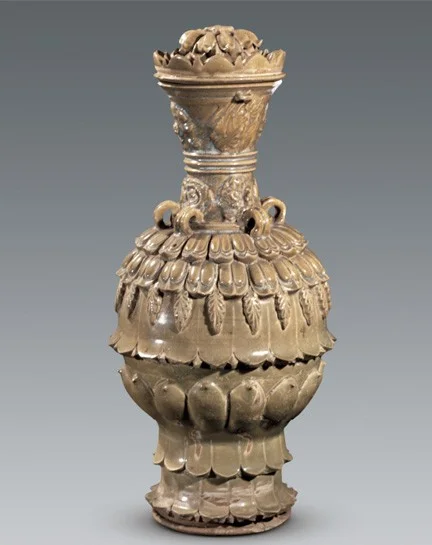
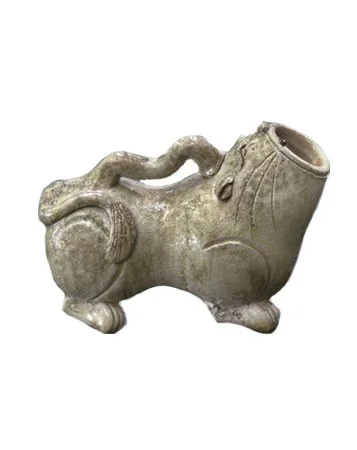
Hebei Museum’s official page for Famous Kilns and Porcelain says the display is in the northwest exhibition hall on the first floor of the new building, with an area of 873 square meters and 276 artifacts. It explains that Hebei was one of China’s ancient ceramic origins and an important production region. During the Tang and Song periods, Xing kiln, Ding kiln, Cizhou kiln, and Jingxing kiln became four major Hebei kiln traditions.
This section is useful even if you are not a ceramics specialist. It gives county-level meaning to the province: Ding kiln relates to Quyang and Dingzhou, Cizhou kiln relates to the Handan area, Jingxing kiln connects back toward Shijiazhuang, and Xing kiln connects southward toward Xingtai. That is exactly the kind of local context a broad Hebei attractions plan often lacks.
How Much Time Should You Allow?
- 90 minutes: choose two priority galleries and skip deep reading.
- 2 to 3 hours: the best balance for most first-time travelers, with time for ancient history, ceramics, and one extra theme.
- Half day: best if you want temporary exhibitions, slower gallery reading, photos, museum shop time, and a low-pressure lunch nearby.
Do not schedule it like a photo stop. The museum is most valuable when you slow down enough to connect objects with real places. If you plan to visit Zhengding afterward, use the museum in the morning and keep the old city for late afternoon and evening. If you are going to Zhaoxian or Cangyan Mountain, put the museum on a different day.
Visitor Tips for International Travelers
- Check the official museum website the same week for opening hours, reservation rules, and temporary exhibition notices.
- Bring your passport or the ID document used for booking, because museum entry rules in China can depend on real-name verification.
- Expect security screening at entry and avoid carrying large unnecessary luggage.
- English support may vary by gallery, so keep a translation app ready for labels and exhibition introductions.
- If Monday is part of your route, verify opening status carefully; many Chinese museums close on Mondays or adjust hours around holidays.
How to Pair Hebei Museum with Shijiazhuang Routes
For a first Shijiazhuang day, pair the museum with a relaxed city route: hotel check-in, a central meal, and a short evening walk. This is useful after arriving from Beijing by train, especially if you are following the Beijing to Hebei transport guide and do not want a heavy first day.
For a stronger heritage day, visit Hebei Museum in the morning and continue to Zhengding later, then use the Zhengding night walk guide for evening atmosphere. For a slower route, keep the museum as its own half-day and use the following day for Zhaoxian or Cangyan Mountain. That separation usually gives better travel quality than forcing every Shijiazhuang-area attraction into one long day.
Who Should Put It High on the List?
Put Hebei Museum high on the list if you are serious about understanding the province rather than only collecting scenic spots. It is also a good choice for families, older travelers, winter trips, rainy days, and travelers who want a low-risk day between more transport-heavy plans. If your trip is only about outdoor scenery, it may not be your top stop, but it still improves the meaning of later visits across Hebei.
References and Current Checks
Before traveling, verify current details through official sources, especially the Hebei Museum official website, the official Hebei Museum introduction, and the official Famous Kilns and Porcelain exhibition page.
Pilu Temple Shijiazhuang Guide: Ming Murals, Respectful Visits and Route Tips
Visit Pilu Temple in Shijiazhuang for Ming mural art, a focused heritage stop, respectful viewing guidance, transport planning,…
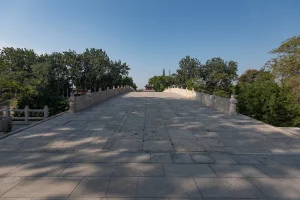
Zhaozhou Bridge Guide: Anji Bridge Engineering, Stone Carvings and Zhao County Visit
Plan a Zhaozhou Bridge visit in Zhao County with Sui-dynasty engineering context, stone-carving details, practical pacing, and links…
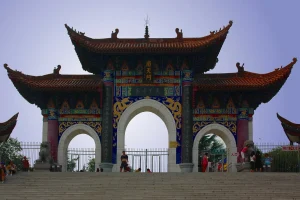
Baodu Zhai Shijiazhuang Guide: Mountain Fortress, Cable Car and Day Trip Tips
Plan Baodu Zhai near Shijiazhuang with mountain views, Nantianmen, cable car choices, walking time, transport notes, and practical…

Beijing to Shijiazhuang High-Speed Train Guide: Stations, Tickets and Day Trip Ideas
Plan a Beijing to Shijiazhuang high-speed train trip with station choices, 12306 booking notes, passport tips, and easy…
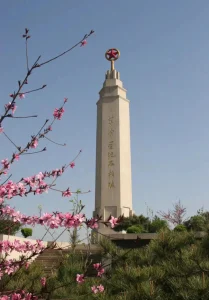
Xibaipo Day Trip from Shijiazhuang: Red History, Route Planning and Visitor Tips
Plan a Xibaipo day trip from Shijiazhuang with official opening-hour checks, transport options, what to see, timing, and…
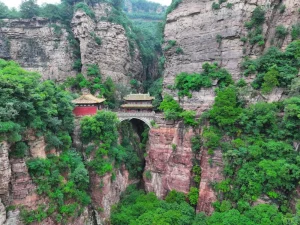
Cangyan Mountain Day Trip from Shijiazhuang: Cliff Temples, Hiking and Route Tips
Plan a Cangyan Mountain day trip from Shijiazhuang with cliff-temple highlights, hiking effort, transport choices, timing, safety notes,…