
Zhaoxian Day Trip from Shijiazhuang: Zhaozhou Bridge, Bailin Temple and Local Route
Zhaoxian is one of the most useful short trips from Shijiazhuang when you want a focused heritage day without the scale of Chengde or the wider planning needed for Qinhuangdao. The county’s strongest travel value is clear: Zhaozhou Bridge gives the route national-level engineering history, while Bailin Chan Temple adds a quieter Buddhist-culture stop. Together they make Zhaoxian more than a quick bridge photo.
This is not a replacement for the dedicated Zhaozhou Bridge travel guide. Use that page when you only need the bridge’s history, viewing tips, and practical visit notes. Use this page when you are deciding whether Zhaoxian deserves a half day, a full day, or a place in a wider Shijiazhuang itinerary.
Quick Planning Snapshot
- Best for: ancient engineering, compact heritage sightseeing, Buddhist-culture context, and a slower county-level day from Shijiazhuang.
- Time needed: half day for Zhaozhou Bridge only; one full relaxed day if you add Bailin Chan Temple and lunch.
- Best base: Shijiazhuang, especially if you are already using the city for Zhengding, Longxing Temple, or nearby rail connections.
- Do not overpack: Zhaoxian pairs well with Shijiazhuang, but forcing Zhengding, Zhaozhou Bridge, and Bailin Temple into one rushed day weakens all three stops.
Why Zhaoxian Works as a Day Trip
Zhaoxian is close enough to Shijiazhuang for a simple day, but it has a different rhythm from the provincial capital. The route is less about city museums or shopping streets and more about one major ancient structure, one religious-cultural site, and a practical county meal. That narrow focus is the advantage: you can come back with a clear memory of the place instead of a blurred checklist.
For most first-time travelers, Zhaoxian should sit behind Zhengding if you only have one heritage day near Shijiazhuang. But if you have a second day, or if ancient engineering is your main interest, Zhaoxian becomes one of the most logical next choices. It also works as a quieter counterpoint after the more layered old-city route in Zhengding.
Stop 1: Zhaozhou Bridge
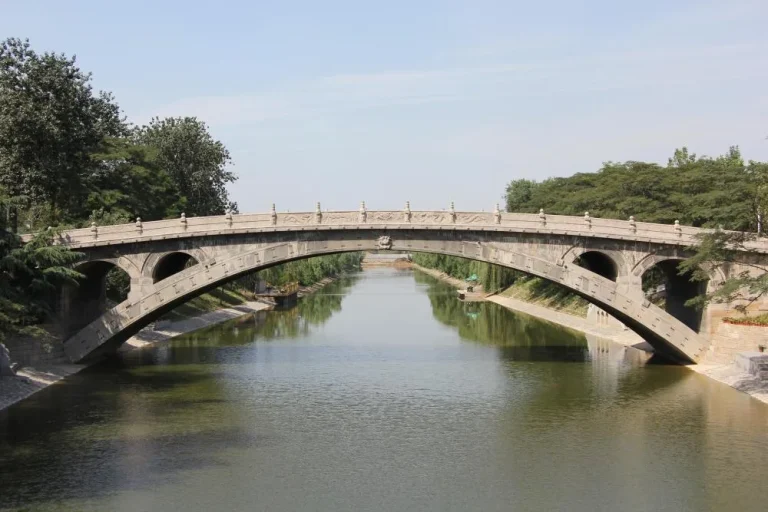
Zhaozhou Bridge, also called Anji Bridge, is the core reason to visit. Shijiazhuang’s official English information describes it as a bridge built during the Sui Dynasty and known for its long history and open-spandrel stone-arch structure. The practical mistake is to treat it as a ten-minute photo stop. Walk both sides, look at the arch from the river setting, and leave enough time to understand why the structure matters.
If you care about details, read the dedicated Zhaozhou Bridge guide before you go. That page explains how to slow down the visit, where the bridge fits in Hebei heritage, and what to check before arrival. For this county route, the main rule is simple: put the bridge first while your attention is fresh.
Stop 2: Bailin Chan Temple
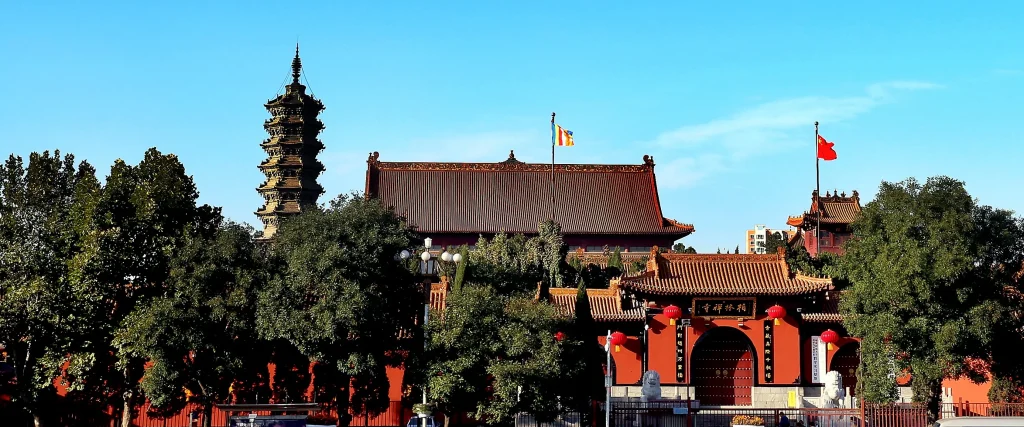
Bailin Chan Temple is the best second stop if you want the day to feel complete rather than bridge-only. It should be approached differently from a scenic landmark: dress and behave conservatively, keep noise low, and treat the visit as a religious-cultural site rather than only a photo background. The official temple website is the best place to check current notices before making it a fixed part of the route.
The temple also helps separate Zhaoxian from nearby Zhengding. Zhengding is richer in temple and old-city density, especially if you include Longxing Temple. Zhaoxian is more compact: Zhaozhou Bridge first, Bailin Temple second, then a simple meal and return.
A Realistic One-Day Route
- Morning: leave Shijiazhuang and go directly to Zhaozhou Bridge.
- Late morning: spend unhurried time around the bridge, river views, and scenic-area paths.
- Lunch: eat in Zhaoxian or near your transport route; keep the meal local and practical.
- Afternoon: visit Bailin Chan Temple if current access and timing work.
- Late afternoon: return to Shijiazhuang before the day becomes a transport problem.
This sequence is intentionally conservative. Zhaoxian is more enjoyable when you protect the main two stops and avoid turning the day into a county-wide scavenger hunt.
Half-Day Version
If you only have half a day, choose Zhaozhou Bridge and skip Bailin Temple. A half-day bridge visit is still valid, especially for travelers who care about ancient engineering or who are already moving through Shijiazhuang. Start early, avoid the hottest part of summer afternoons, and give yourself enough time for the return instead of trying to add a second site at the last minute.
Full-Day Version
A full-day version is better for travelers who like slow context. Start with the bridge, take lunch, then use Bailin Temple as the afternoon stop. This creates a clear theme: engineering heritage in the morning, Buddhist culture in the afternoon. If you are traveling with family or older visitors, this is also easier than combining Zhaoxian with Zhengding in the same day.
Transport From Shijiazhuang
Transport details can change, so confirm current routing before departure. In practice, independent travelers usually compare private car, ride-hailing, local bus, or a driver arranged through their hotel. The choice depends on your Chinese-language ability, group size, and whether you want to add Bailin Temple after the bridge. If you are arriving from Beijing first, plan the intercity section with the Beijing to Hebei train guide before thinking about the county transfer.
If you are not comfortable with local transport uncertainty, keep the route simple: Shijiazhuang hotel to Zhaozhou Bridge, bridge to lunch, optional Bailin Temple, then back to Shijiazhuang. Save all place names in Chinese before leaving.
Food and Breaks
Zhaoxian is not a destination where you need to chase one famous restaurant. A practical northern-style lunch is enough: noodles, dumplings, steamed foods, simple meat dishes, or seasonal county restaurants near your route. The main food rule is timing. Eat before you are tired, especially if you still plan to visit Bailin Temple in the afternoon.
How to Choose Between Zhaoxian and Zhengding
Choose Zhengding first if you want a dense old-city experience, multiple temples, food streets, and the option of an evening walk. Use the Zhengding night walk guide if you are staying late. Choose Zhaoxian if you want a focused heritage day with one iconic bridge and one quieter temple stop. They are complementary, but they should not be treated as the same type of trip.
Common Planning Mistakes
- Adding too much: Zhaoxian is strongest when the day stays focused.
- Arriving too late: late starts make both bridge viewing and temple timing weaker.
- Ignoring current notices: opening rules, religious activities, road work, and scenic-area arrangements can change.
- Using only map distance: county transport time, pickup points, and return planning matter more than distance alone.
- Skipping context: read at least a little about Zhaozhou Bridge before arriving, or the main stop can feel visually simple.
Where This Fits in a Hebei Route
For a first Shijiazhuang-based trip, a strong order is city center first, Zhengding second, Zhaoxian third. If your Hebei route is broader, compare Zhaoxian with the province-wide must-see attractions guide. For practical evening movement and conservative travel habits, the Hebei night safety guide is useful if you return after dark.
References and Current Checks
Before traveling, verify current details through official and non-competitive sources, including the Shijiazhuang government English page on Zhaozhou Bridge, the Shijiazhuang government Chinese information on Zhaozhou Bridge, and the official Bailin Chan Temple website.
Pair the bridge with the Bailin Temple guide when you want a fuller Zhaoxian heritage day.
Zhaozhou Bridge Guide: Anji Bridge Engineering, Stone Carvings and Zhao County Visit
Plan a Zhaozhou Bridge visit in Zhao County with Sui-dynasty engineering context, stone-carving details, practical pacing, and links…
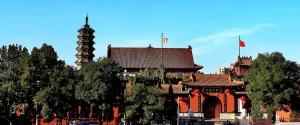
Bailin Temple Zhaoxian Guide: Chan Buddhism, Zhaozhou Pagoda and Day Trip Tips
Plan Bailin Temple in Zhaoxian with Chan Buddhism context, Zhaozhou Pagoda history, Shijiazhuang route logic, Zhaozhou Bridge pairing,…
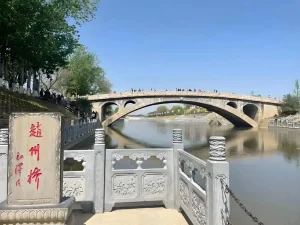
Zhaozhou Bridge Travel Guide: History, Transport and Day Trip Tips
Plan a Zhaozhou Bridge visit from Shijiazhuang with history, transport tips, day-trip routes, photo advice, nearby stops, and…
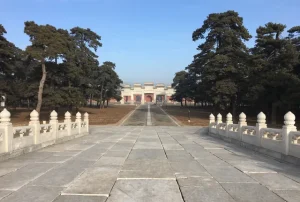
Western Qing Tombs Day Trip from Beijing or Baoding: Yixian Route and Visitor Tips
Plan a Western Qing Tombs day trip in Yixian, Baoding, with Beijing and Baoding route logic, Qing imperial…
Cangzhou Day Trip: Iron Lion, Grand Canal and Old City Culture
Plan a Cangzhou day trip around the Iron Lion, Grand Canal context, local culture, city food, transport timing,…
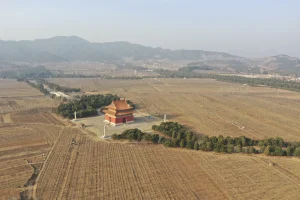
Zunhua Eastern Qing Tombs Day Trip from Beijing or Tangshan
Plan a Zunhua Eastern Qing Tombs day trip from Beijing, Tangshan or Chengde with route timing, imperial tomb…