
Zunhua Eastern Qing Tombs Day Trip from Beijing or Tangshan
Zunhua is the part of Tangshan most worth separating from a general city guide. The reason is the Eastern Qing Tombs, a major imperial burial complex included in UNESCO’s World Heritage listing for the Imperial Tombs of the Ming and Qing Dynasties. For travelers based in Beijing, Tangshan, or Chengde, this is one of Hebei’s strongest heritage day trips, but it needs more planning than a simple urban stop.
This guide is designed for travelers comparing Zunhua with Chengde, Hebei Great Wall routes, and the broader list of must-see Hebei attractions. The Eastern Qing Tombs are not a quick photo stop. The site is large, the history is layered, and transport timing can decide whether the day feels rewarding or rushed.
Quick Planning Snapshot
- Best for: imperial history, Qing dynasty heritage, UNESCO World Heritage context, photography, and a quieter alternative to crowded Beijing imperial sites.
- Best bases: Tangshan for the easiest city base; Beijing for a long but possible day; Chengde if you are linking imperial summer and tomb heritage.
- Time needed: one full day. Do not plan this as a short afternoon add-on.
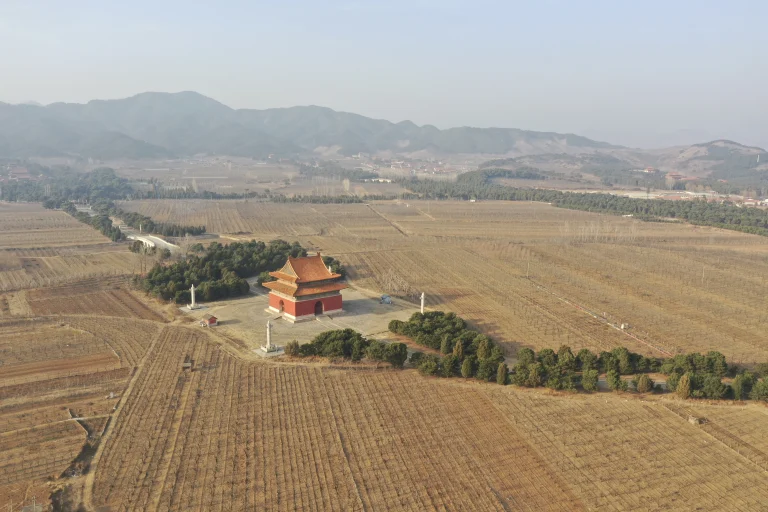
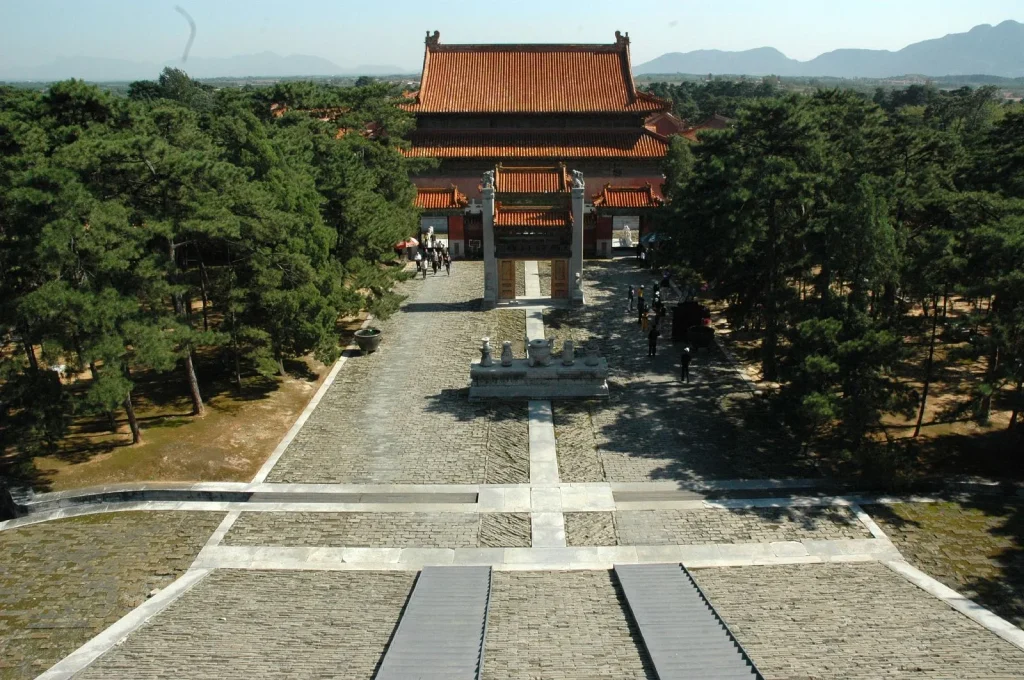
- Core experience: tomb architecture, spirit-way spaces, memorial pavilions, stonework, and the landscape setting around Zunhua.
- Before going: verify opening hours, ticket areas, shuttle arrangements, and whether specific tomb sections are open.
Why the Eastern Qing Tombs Matter
The Eastern Qing Tombs are important because they show imperial power outside the palace environment. Beijing’s Forbidden City explains rule and ceremony; Chengde explains summer residence and frontier politics; Zunhua explains burial, memory, landscape selection, and dynastic continuity. If you have already seen the Chengde Mountain Resort, the tombs add a useful second chapter to Qing-era travel in Hebei.
How to Plan the Route
From Beijing, the trip is possible but should be planned around transport first. Use the Beijing to Hebei transport guide for the intercity section, then confirm the final transfer to the scenic area. From Tangshan, the route is usually more comfortable because you can start earlier and return without stretching the day. From Chengde, the tombs make sense if you are building a multi-day imperial-history route rather than trying to cover everything in one day.
Do not assume that every tomb, hall, or internal shuttle operates identically year-round. Heritage areas often adjust access for conservation, repairs, weather, holidays, or visitor-flow management. The safest plan is to choose your priority zones first, then add secondary areas only if time and current access allow.
Suggested One-Day Itinerary
- Morning: arrive early and begin with the most important open tomb area or main ceremonial route.
- Late morning: focus on stonework, pavilions, and spatial layout rather than trying to photograph every building.
- Midday: keep lunch practical; this is a heritage day, not a food-led city route.
- Afternoon: add a second tomb area or viewpoint if transport and ticket rules allow.
- Return: leave enough buffer for the ride back to Tangshan, Beijing, or Chengde.
Who Should Choose Zunhua?
Choose Zunhua if you want serious imperial history and a quieter site than central Beijing. Skip it if you only have a short layover or need a fully walkable city day. For first-time Hebei travelers, it pairs well with Chengde or Tangshan; for repeat travelers, it adds the kind of deep heritage page that makes a Hebei itinerary feel more carefully built.
Practical Visitor Notes
The most common planning mistake is underestimating the size of the tomb area. Even if the main visited sections look close on a map, the visitor experience depends on parking, shuttle points, ticket gates, walking routes, and whether your driver or transfer can wait. If you are using public transport, build the day around the return leg first. If you are hiring a car, agree on the pickup point in Chinese before entering the scenic area.
Foreign travelers should carry a passport, keep the Chinese name 清东陵 saved, and bring water and sun protection in warmer months. English interpretation may be limited, so this is a good route to prepare before arrival: read the basic Qing dynasty context, understand why imperial tombs were placed in landscape settings, and decide whether you care more about architecture, photography, or historical sequence. That preparation makes the visit much more valuable than simply moving from gate to gate.
If you are building a two- or three-day route, do not pair Zunhua with too many distant stops on the same day. A stronger plan is Beijing to Zunhua to Tangshan, or Chengde to Zunhua to Tangshan. Travelers who want coast, seafood, and Great Wall scenery can continue toward Qinhuangdao after Tangshan, but that should be a separate day rather than an afternoon add-on.
References and Current Checks
Before traveling, verify current access through official scenic-area or local cultural-tourism channels and cross-check the UNESCO background page for the Imperial Tombs of the Ming and Qing Dynasties. Image licenses can be checked on the Wikimedia Commons pages for Dabeilou in Eastern Qing Tombs and Eastern Qing Tombs.
Tangshan Earthquake Memorial Park Guide: Museum, Memorial Wall and 1976 Ruins
Visit Tangshan Earthquake Memorial Park with context: the memorial wall, preserved industrial ruins, the 2026 museum reopening and…
Kailuan National Mine Park Guide: Tangshan Industrial Heritage and Underground Visits
Plan a Kailuan National Mine Park visit in Tangshan with industrial-heritage context, underground-route expectations, current-access checks, and links…
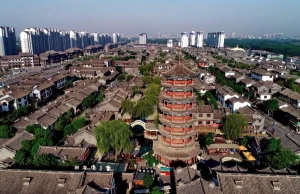
Luanzhou Ancient City Tangshan Guide: Canal Streets, Night Walks and Route Tips
Plan Luanzhou Ancient City in Tangshan with canal-street views, reconstructed old-town context, night-walk ideas, Beijing route logic, and…
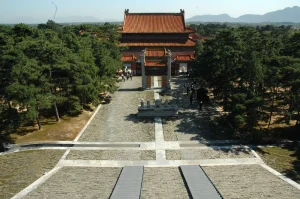
Eastern Qing Tombs Guide: Zunhua Imperial Tombs, Sacred Way and Beijing Route Tips
Plan Eastern Qing Tombs in Zunhua with Qing imperial history, Sacred Way priorities, Beijing and Tangshan route tips,…
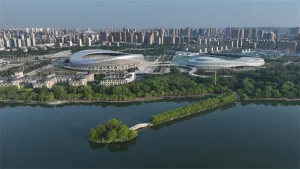
Tangshan Nanhu Park Guide: Lake Walks, Urban Renewal and Beijing Train Tips
Plan Tangshan Nanhu Park with lake walks, urban renewal context, Beijing train links, best timing, city pairings, hotels,…

Beijing to Tangshan Train Guide: Stations, Tickets and Day Trip Planning
Plan a Beijing to Tangshan train trip with station checks, ticket tips, Tangshan day-trip ideas, Nanhu Park, the…