
Bailin Temple Zhaoxian Guide: Chan Buddhism, Zhaozhou Pagoda and Day Trip Tips
Bailin Temple in Zhaoxian is one of the most meaningful Buddhist sites near Shijiazhuang, but it is easy to miss if you only search for Zhaozhou Bridge. The temple is tied to Chan Buddhism, the famous monk Zhaozhou Congshen, and the Zhaozhou Pagoda that still anchors the complex. For travelers, it works best as a quiet cultural stop paired with Zhaozhou Bridge rather than as a rushed roadside extra.
This guide focuses on Bailin Temple itself: what it is, why Zhaozhou matters, how to combine it with a Zhaoxian day trip from Shijiazhuang, and what to check before visiting. It is meant to complement the existing Zhaozhou Bridge travel guide, not repeat it.
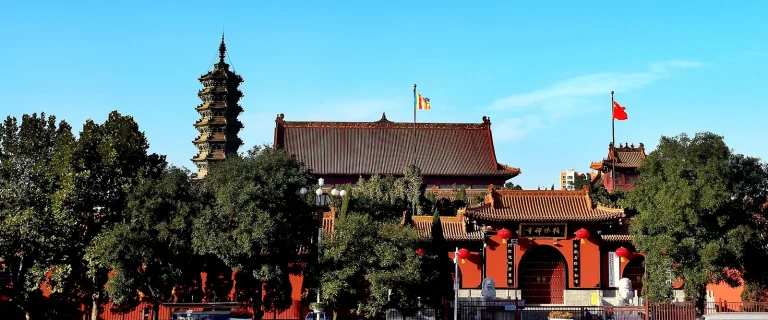
Why Bailin Temple Matters
The official Bailin Temple introduction says the temple is in the southeast corner of Zhaoxian county and was first built in the Eastern Han period, roughly the third century A.D. It was once known as the Ancient Guan Yin Temple, later renamed Yong An Monastery during the Song, and eventually became known as Bailin Temple. Zhaoxian government material also describes it as a major Chan Buddhist site and links it closely with the Zhaozhou Congshen tradition.
For a visitor, the importance is not only age. Bailin Temple is part of a Zhaoxian cultural triangle: Zhaozhou Bridge, the old county setting, and the temple’s Chan Buddhist memory. If you are using Shijiazhuang as a first Hebei base, this is one of the most practical ways to add a Buddhist heritage stop without going far into the mountains.
Who Was Zhaozhou Congshen?
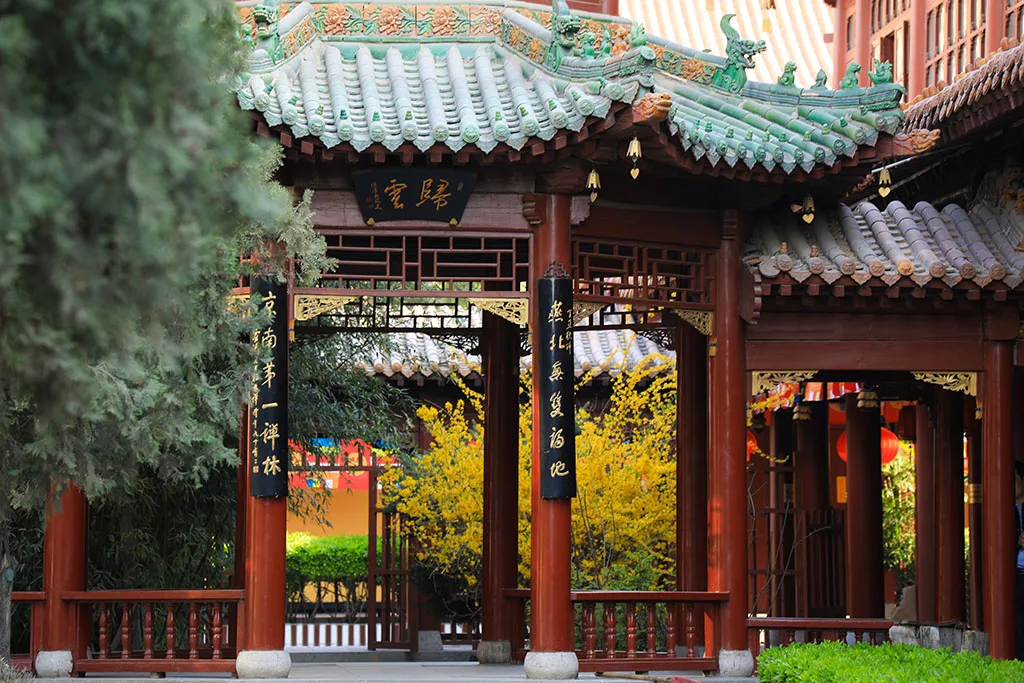
Zhaozhou Congshen, often known in Japanese Zen contexts as Joshu, is one of the best-known Chan masters connected with this site. The temple is associated with his later life and teaching tradition, including the famous “go drink tea” style of Chan encounter. You do not need to be a Buddhist specialist to visit, but knowing this context changes the experience: Bailin Temple is not only a restored temple compound; it is a living reference point for a major Chan lineage.
That makes the tone of a visit different from a purely architectural stop. Move slowly, keep noise down, and treat the site as an active religious place rather than only a photo background. If your Hebei route also includes Longxing Temple in Zhengding, the two temples give very different views of Buddhist culture in the Shijiazhuang region.
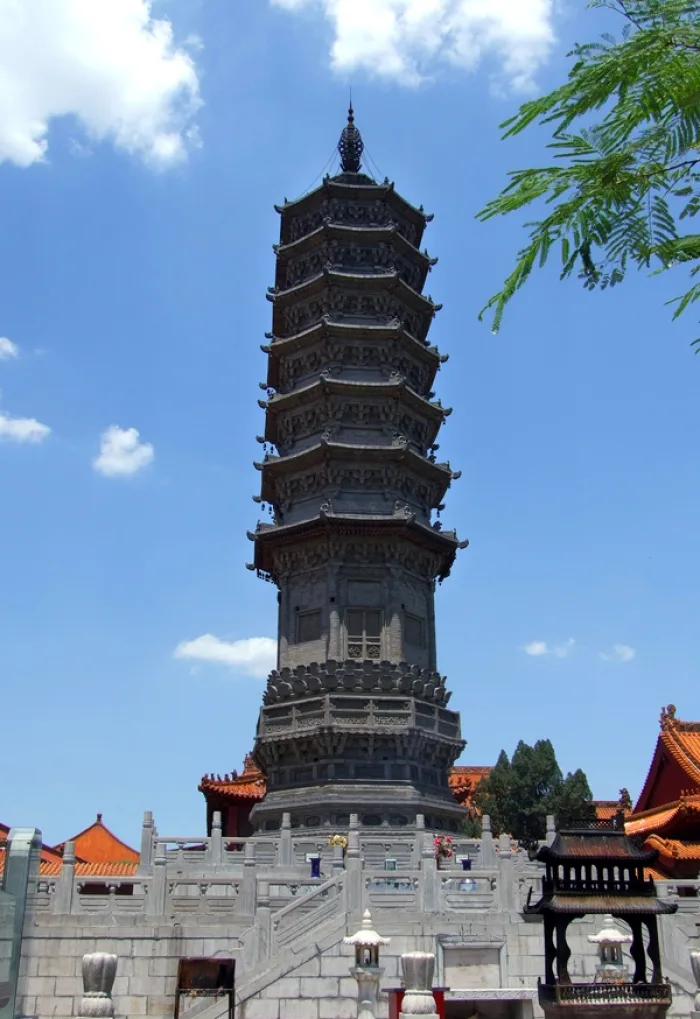
Zhaozhou Pagoda and What to Look For
The Zhaozhou China tourism page describes Bailin Temple Pagoda as a Yuan-dynasty structure built in 1330, an octagonal, seven-storeyed brick pagoda of multi-eaved style, about 40 meters tall. It stands on a stone foundation, and the lower brick pedestal includes detailed decorative carvings. This is the most important ancient structure for a first-time visitor to notice carefully.
- The octagonal plan: walk around the base instead of only taking one front-facing photo.
- The multi-eaved form: the stacked roofline gives the tower a different rhythm from taller Song brick pagodas such as Dingzhou’s tower.
- The stone and brick base: look for carved detail before stepping back for the full vertical view.
- The temple setting: the pagoda works best when seen as part of the Chan temple complex, not as an isolated monument.
How Long to Spend
- 45 minutes: enough for a respectful quick visit and pagoda photos.
- 60 to 90 minutes: better for the temple, pagoda, courtyards, and a calm walk without rushing.
- Half day in Zhaoxian: best if you combine Bailin Temple with Zhaozhou Bridge and a simple local meal.
Most international travelers should not make Bailin Temple the only stop of the day unless they have a specific Buddhist or Chan interest. The stronger route is temple plus bridge, using Zhaoxian as a compact cultural day outside Shijiazhuang. If you are coming from Beijing, first plan the main rail leg with the Beijing to Shijiazhuang high-speed train guide, then add a local transfer to Zhaoxian.
Best Pairing: Bailin Temple and Zhaozhou Bridge
Zhaoxian government material notes that Bailin Temple and Zhaozhou Bridge are only a few kilometers apart. That pairing is the main reason the site works well for foreign visitors. The bridge gives you ancient engineering and a globally recognizable landmark; the temple gives you Chan Buddhist context, courtyards, and a quieter local atmosphere.
If you have limited time, visit Zhaozhou Bridge first in good light, then move to Bailin Temple for a slower second stop. If the day is hot or crowded, reverse the order and use the temple’s calmer rhythm before the more open bridge area. Either way, avoid trying to combine Zhaoxian with too many other Shijiazhuang-area attractions in one day.
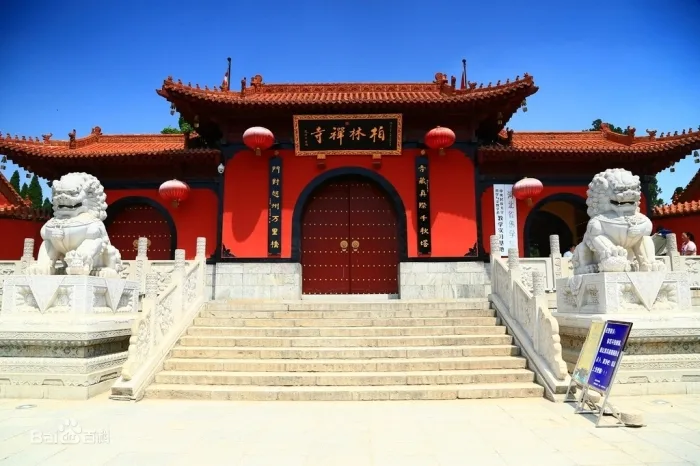
How It Fits Into a Shijiazhuang Route
Bailin Temple is a good second-layer Shijiazhuang-area stop. First-time travelers often choose Zhengding, Hebei Museum, or Zhaozhou Bridge first. Once those are on your map, Bailin Temple helps make the region feel more complete: museum context in the city, temple heritage in Zhengding, bridge engineering in Zhaoxian, and Chan Buddhist memory at Bailin Temple. The Hebei Museum guide is useful before or after this route because it gives wider provincial context.
For broader prioritizing, compare this temple with the site’s must-see Hebei attractions. Bailin Temple is not the flashiest stop in the province, but it is meaningful for travelers who like religious history, calmer courtyards, and precise county-level routes.
Practical Visitor Tips
- Check current opening hours and visitor rules on official channels before traveling.
- Save the Chinese names 柏林禅寺, 赵县, 赵州塔, and 赵州桥 for maps and local drivers.
- Dress and behave respectfully because the temple is an active religious site.
- Do not use flash or intrusive photography in halls where signs or staff restrict it.
- Plan local transfers in advance if you are coming from Shijiazhuang station or a high-speed rail connection.
- Pair the visit with Zhaozhou Bridge rather than overloading the day with distant attractions.
References and Image Sources
- Bailin Temple official introduction
- Zhaoxian government: Bailin Temple
- Zhaozhou China: Bailin Temple Pagoda
- Images in this guide were selected from the Bailin Temple official website and Zhaoxian government page, then converted to WebP for faster loading.
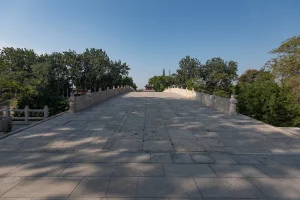
Zhaozhou Bridge Guide: Anji Bridge Engineering, Stone Carvings and Zhao County Visit
Plan a Zhaozhou Bridge visit in Zhao County with Sui-dynasty engineering context, stone-carving details, practical pacing, and links…
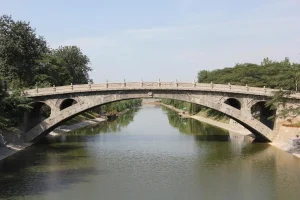
Zhaoxian Day Trip from Shijiazhuang: Zhaozhou Bridge, Bailin Temple and Local Route
Plan a focused Zhaoxian day trip from Shijiazhuang with Zhaozhou Bridge, Bailin Chan Temple, route timing, transport choices,…
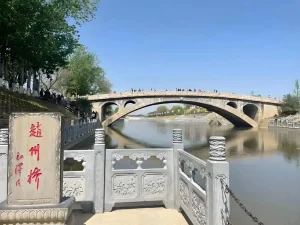
Zhaozhou Bridge Travel Guide: History, Transport and Day Trip Tips
Plan a Zhaozhou Bridge visit from Shijiazhuang with history, transport tips, day-trip routes, photo advice, nearby stops, and…
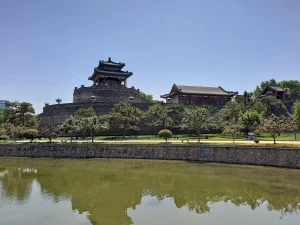
Congtai Park Handan Guide: Wuling Terrace, Seven Sages Shrine and City Walk
Explore Congtai Park in central Handan: Wuling Terrace, the Seven Sages Shrine, lake paths, Zhao history and a…
Tangshan Earthquake Memorial Park Guide: Museum, Memorial Wall and 1976 Ruins
Visit Tangshan Earthquake Memorial Park with context: the memorial wall, preserved industrial ruins, the 2026 museum reopening and…
Guanghui Temple Hua Pagoda Guide: Zhengding’s Flower Tower and Old-City Walk
Look closely at Zhengding's Hua Pagoda: sculpted figures, corner towers and brick details, with a relaxed old-city route…