
Zhaozhou Bridge Guide: Anji Bridge Engineering, Stone Carvings and Zhao County Visit
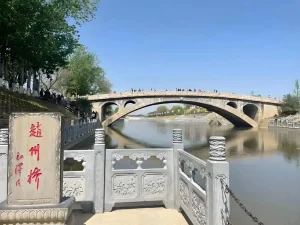
Zhaozhou Bridge, also called Anji Bridge, is one of the best places in Hebei to understand how much history can be carried by a single piece of infrastructure. It crosses the Xiao River south of Zhao County, near Shijiazhuang, with a calm, low stone curve that can look surprisingly simple from a distance. A closer visit reveals why it matters: a daring early arch design, smaller openings cut above the main span, and carved stone details that reward a slower look.
This is not a site to visit only for a quick bridge photo. Treat it as a short heritage stop with room for observation, riverside views, and the wider Zhao County context. Give yourself enough time to walk around the bridge area, look at the balustrades without blocking other visitors, and pair it with another nearby cultural stop only if your transport and opening arrangements are already clear.
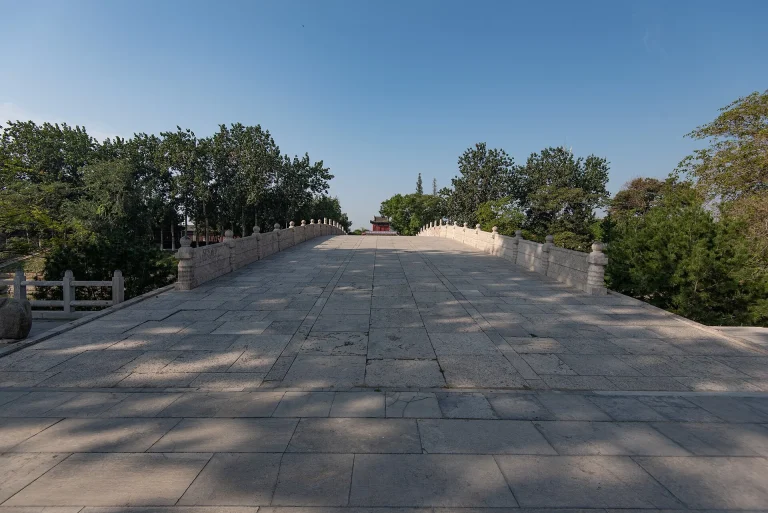
Why Zhaozhou Bridge is important
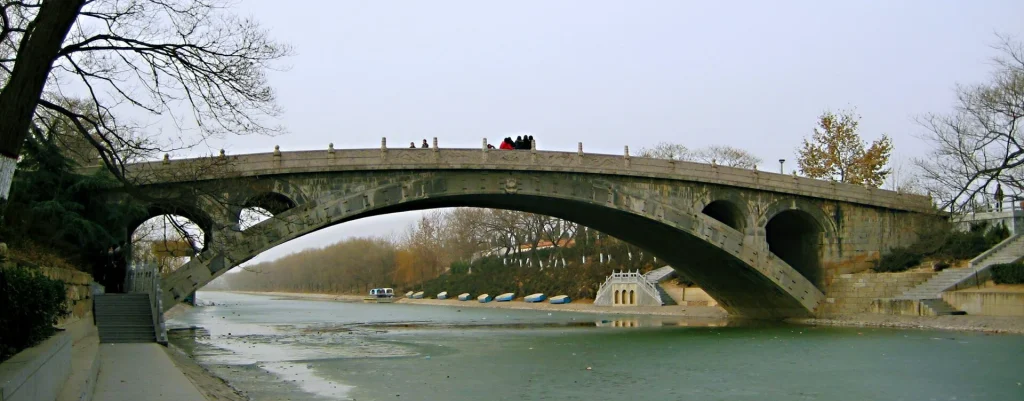
The bridge is conventionally dated to the Sui dynasty, around the turn of the seventh century, and is traditionally associated with the master builder Li Chun. Its principal arch is supported by a system of parallel stone ribs, while four smaller openings above the main arch reduce weight and allow floodwater to pass. That open-spandrel idea is the central engineering feature to notice: the small arches are part of the structure, not just decoration.
It is also a preservation story, not a frozen time capsule. The bridge has endured centuries of weather, floods, earthquakes, and repairs. Looking at it with that context is more honest and more interesting than assuming every visible stone is untouched Sui-dynasty fabric. The value lies in the long life of the design, the surviving architectural tradition, and the careful attention still required to protect it.
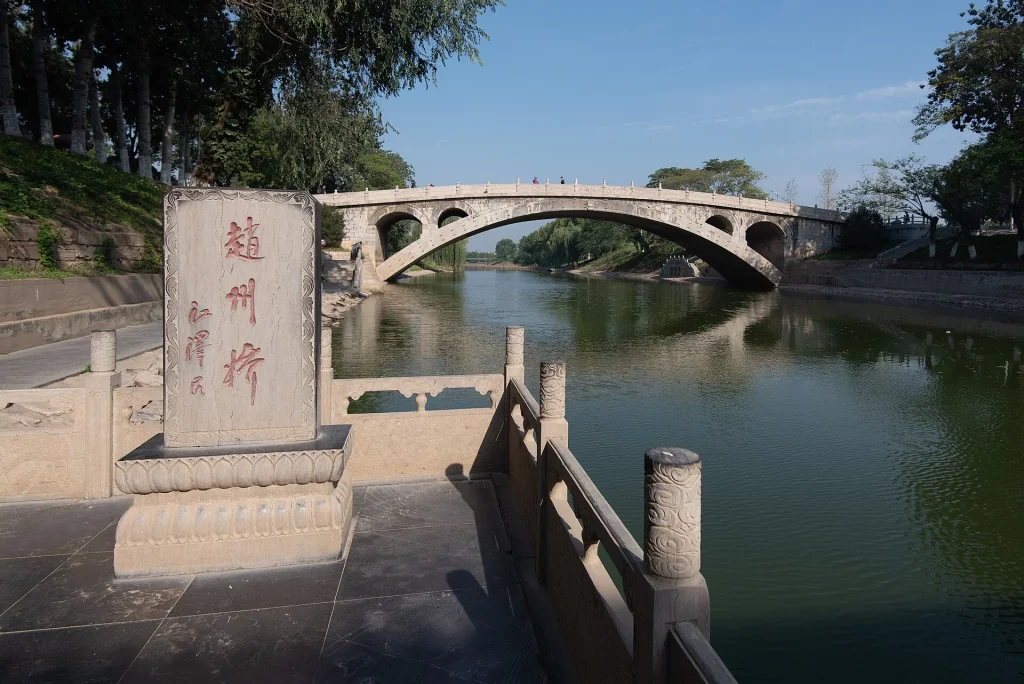
What to look for on the bridge
The main arch and the smaller openings
Start from the riverbank if possible. The main arch carries the visual weight, but the smaller side openings show the innovation most clearly. They reduce the amount of stone needed above the main arch and give floodwater additional paths. A side view lets you see how the light passes through the openings and how the bridge sits low against the water instead of rising like a later city bridge.
Balustrades and carved panels
Slow down at the balustrades and carved stone panels. Dragon motifs and other details are often easier to appreciate close up than from the central path. Keep the visit respectful: do not climb railings, rub carvings, or step onto protected elements for a photograph. If visitor management separates certain pieces or areas, treat those boundaries as part of the preservation effort.
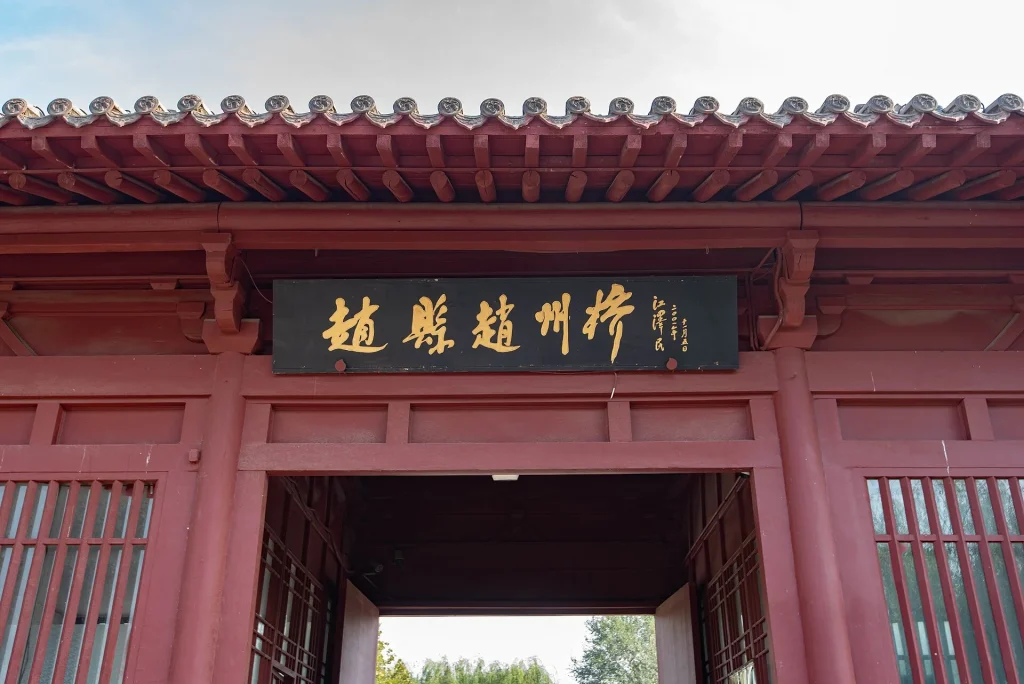
Planning a Zhao County visit
Zhaozhou Bridge is in Zhao County, south of Shijiazhuang. For most overseas visitors, Shijiazhuang is the practical transport base: arrive by high-speed rail, then arrange a local car, driver, or confirmed public-transport connection for the county. Begin with the Beijing to Shijiazhuang high-speed train guide if you are coming from the capital, and use the Shijiazhuang first-time travel guide to decide how much city time to reserve.
Do not build your day around copied ticket prices, opening hours, or a fixed bus timetable. The bridge site has been publicly accessible in recent years, but visitor arrangements, route access, weather closures, and surrounding services can change. Check the current official Zhao County or Shijiazhuang visitor notice shortly before leaving. Keep a return plan, especially if you are connecting back to an evening train.
Pairing Zhaozhou Bridge with nearby heritage
The most natural companion is the Bailin Temple guide. The bridge and temple tell different parts of the Zhao County story: one is an engineering landmark beside the river, the other is a Buddhist site known for its Chan tradition and pagoda. Combine them only with enough time for the local transfer and a calm visit at each place; neither benefits from being reduced to a fast photo stop.
For travelers interested in a broader historical frame, the Hebei Museum guide can add archaeological and regional context before or after the county day. It works better as a separate Shijiazhuang visit than as something to force into the same afternoon.
A respectful visit checklist
- Check current access: confirm the site notice and any local transport changes before departure.
- Walk, do not climb: use designated paths and keep off railings, carved stone, and restricted areas.
- Allow observation time: view the bridge from more than one angle before taking photographs.
- Keep the riverbank clean: carry away drinks, food packaging, and other rubbish.
- Plan the return: county transfers can take longer than a city map suggests.
Official references and current checks
The Shijiazhuang government destination profile gives current regional background. For the bridge’s construction method, carvings, and recent visitor context, see the Xinhua visual record. Use these as background, then verify day-of-travel arrangements through the current official visitor notice.
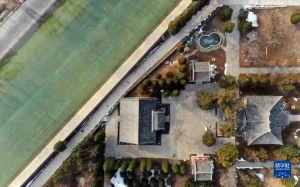
Pilu Temple Shijiazhuang Guide: Ming Murals, Respectful Visits and Route Tips
Visit Pilu Temple in Shijiazhuang for Ming mural art, a focused heritage stop, respectful viewing guidance, transport planning,…
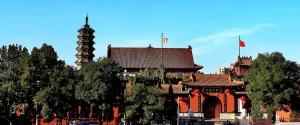
Bailin Temple Zhaoxian Guide: Chan Buddhism, Zhaozhou Pagoda and Day Trip Tips
Plan Bailin Temple in Zhaoxian with Chan Buddhism context, Zhaozhou Pagoda history, Shijiazhuang route logic, Zhaozhou Bridge pairing,…
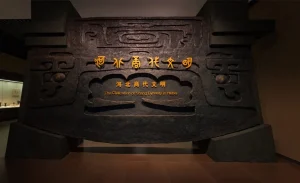
Hebei Museum Guide in Shijiazhuang: What to See, Time Needed and Visitor Tips
Plan a Hebei Museum visit in Shijiazhuang with exhibit priorities, time needed, route ideas, booking and opening checks,…
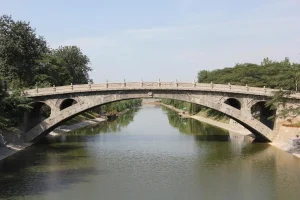
Zhaoxian Day Trip from Shijiazhuang: Zhaozhou Bridge, Bailin Temple and Local Route
Plan a focused Zhaoxian day trip from Shijiazhuang with Zhaozhou Bridge, Bailin Chan Temple, route timing, transport choices,…
Zhaozhou Bridge Travel Guide: History, Transport and Day Trip Tips
Plan a Zhaozhou Bridge visit from Shijiazhuang with history, transport tips, day-trip routes, photo advice, nearby stops, and…
Baodu Zhai Shijiazhuang Guide: Mountain Fortress, Cable Car and Day Trip Tips
Plan Baodu Zhai near Shijiazhuang with mountain views, Nantianmen, cable car choices, walking time, transport notes, and practical…