
Longxing Temple Zhengding Travel Guide: Route, Highlights and Tips
Longxing Temple is the most important single stop in Zhengding for travelers who care about ancient architecture, Buddhist sculpture, and a compact day trip from Shijiazhuang. Locals often call it the Big Buddha Temple, but for planning purposes it is better to think of it as a large historic temple complex where the route, timing, and explanation matter.
This guide focuses on how to visit. For a deeper heritage explanation, read the Longxing Temple history guide. For a whole-day plan, use the Zhengding one-day itinerary.
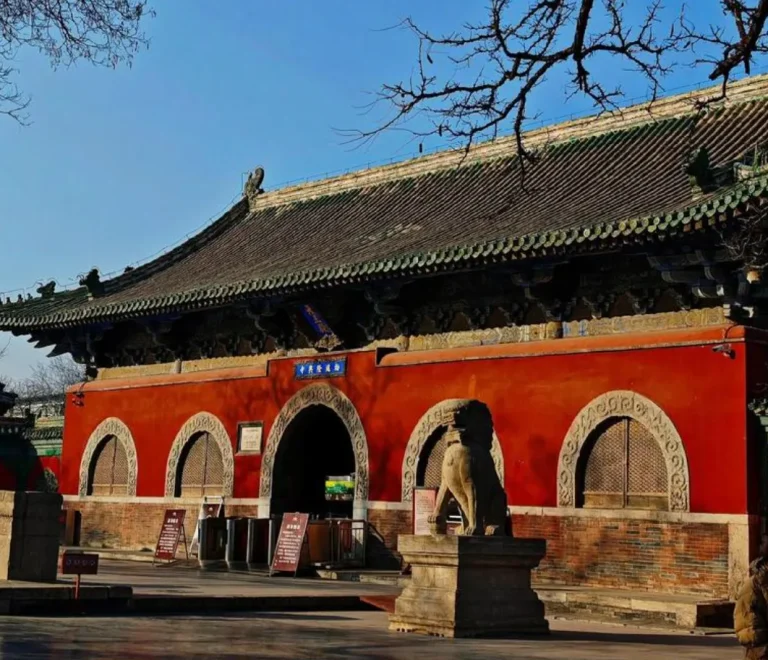
Recommended route order
Start with Longxing Temple before the smaller old-city stops. This protects the strongest part of the day from fatigue, lunch delays, and transport uncertainty. After the temple, continue to old streets, towers, food stops, or a night walk depending on weather and energy.
- Short visit: allow about 60 to 90 minutes and keep the focus on the main halls.
- Better visit: allow 2 to 3 hours for halls, sculpture, photos, and a slower pace.
- Full Zhengding day: pair the temple with old streets, towers, food, and evening atmosphere.
Transport and timing
Most foreign travelers will approach Zhengding from Shijiazhuang. Exact transport choices depend on your hotel location, station choice, and current schedules, so check live routes before leaving. The safest travel rhythm is to arrive early, visit the temple first, then decide how much of the old city to add.
Food and nearby stops
After Longxing Temple, Zhengding food can make the day feel complete. Choose Majia Chicken for a named local specialty, snacks for a flexible walk, or Zhengding Eight Bowls if you have a group and enough time.
Suggested walking rhythm inside the temple
A practical visit should move slowly but not randomly. First, get a sense of the entrance and axis. Second, focus on the most important halls and images. Third, return to smaller details only if you still have time. This order prevents the visit from becoming a scattered collection of photos and makes the route easier for travelers who do not have a guide.
If you have only one hour, do not try to understand every structure. Choose the central halls and leave time to stand back for the overall layout. If you have two to three hours, you can read captions, compare buildings, and take a slower photo route. If Longxing Temple is the main reason you came to Zhengding, keep the afternoon flexible and do not schedule too many secondary stops.
How to combine it with food and the old city
Food planning matters because Zhengding’s heritage area is compact but the day can still become tiring. A light lunch keeps the old-city walk easier. Majia Chicken is better when you have enough time to sit down or carry food back. Eight Bowls should be treated as a slower shared meal, not a quick stop before more sightseeing. For a food-first route, use the Zhengding food guide.
The best old-city add-ons depend on your style. Architecture travelers can add towers and historic streets. Casual travelers can choose one street walk and one meal. Photographers may want late afternoon and evening light. Families should keep the route short and leave room for rest. There is no need to force every Zhengding attraction into one temple day.
Planning notes for foreign visitors
Check current opening information before travel, especially around public holidays. Keep your passport with you, as hotels, transport, and some sites may require identity checks. Use live navigation for the final local route rather than relying on old forum posts. If you are coming from Beijing, it is usually easier to treat Shijiazhuang as the base and make Zhengding a focused day trip.
Weather also changes the route. On hot days, start early and shorten open-street walking. On rainy days, Longxing Temple can still be the anchor while outdoor stops become optional. In winter, daylight and temperature make a compact route more comfortable than an ambitious checklist.
Small details that improve the visit
Wear comfortable shoes because the value of the visit is in slow movement between courtyards and halls. Keep phone battery for maps, translation, and return transport. If you use translation apps for signs, translate short sections rather than whole boards; temple and architecture terms can become confusing when translated too literally.
When traveling with people who are less interested in heritage, agree on a simple route before entering. One traveler can spend more time on sculpture and architecture while others use the courtyard rhythm as rest time. This makes Longxing Temple easier to include in a mixed-interest Zhengding day.
References and current checks
For current official context and transport checks, compare Hebei Provincial People’s Government, Hebei Culture and Tourism Department, and live transport checks through China Railway 12306. Do not rely on old ticket or opening-hour screenshots without checking again before travel.
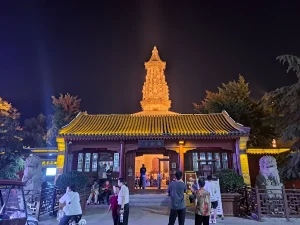
Guanghui Temple Hua Pagoda Guide: Zhengding’s Flower Tower and Old-City Walk
Look closely at Zhengding's Hua Pagoda: sculpted figures, corner towers and brick details, with a relaxed old-city route…
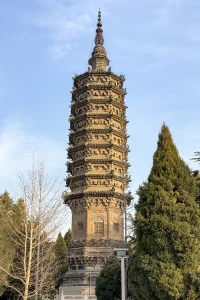
Chengling Pagoda Zhengding Guide: Linji Temple, Zen Heritage and Jin-Era Architecture
Visit Chengling Pagoda at Linji Temple in Zhengding with accurate history, architectural details, real photos, respectful planning, and…
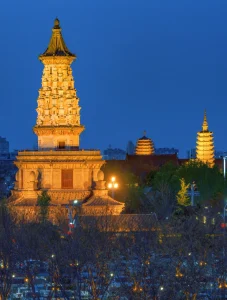
Zhengding Ancient City Guide: Temples, Towers and Old Streets
Decide how to visit Zhengding Ancient City near Shijiazhuang, including Longxing Temple, old streets, food, night walks, travel…
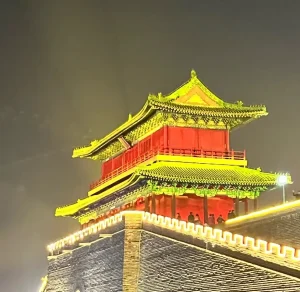
Zhengding One-Day Itinerary from Shijiazhuang: Temples and Old City
Use this Zhengding one-day itinerary from Shijiazhuang to plan Longxing Temple, old streets, local food, towers, night walk…
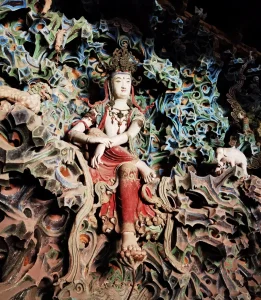
Longxing Temple History: Zhengding Buddhist Architecture and Heritage
Understand Longxing Temple in Zhengding through Buddhist architecture, sculpture, heritage layers, old-city context, and how to view the…
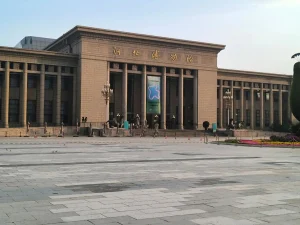
Shijiazhuang First-Time Travel Guide: City, Zhengding and Nearby Trips
Plan a first Shijiazhuang trip with Hebei Museum, Zhengding Ancient City, Zhaoxian, Cangyan Mountain, hotels, trains, and onward…