
Yuzhou Ancient City Guide: Yuhuang Pavilion, Nan’an Pagoda and a Half-Day Walk
Yuzhou Ancient City rewards a slower kind of sightseeing: looking up at the timber galleries of a temple pavilion, following the streets between low courtyard houses, and noticing how a brick pagoda changes the skyline. In Yuxian, a county of Zhangjiakou in Hebei, you can make a satisfying half-day walk around two very different landmarks: Yuhuang Pavilion on the old northern city wall and Nan’an Temple Pagoda near the southern end of the old city.
This is a good choice if you enjoy historic architecture without needing a packed schedule of shows or shopping stops. Allow roughly three to four hours as a planning estimate, including a meal or rest. Travel to and from Yuxian is additional. For a longer stay, the separate Nuanquan Ancient Town and Dashuhua guide covers a different settlement and its performance planning.
First, find the right Yuzhou
Save the Chinese place names before leaving your hotel: 蔚县 (Yuxian or Yu County), 蔚州古城 (Yuzhou Ancient City), 蔚州玉皇阁 (Yuzhou Yuhuang Pavilion), and 南安寺塔 (Nan’an Temple Pagoda). Here, 蔚 is pronounced yù. This is not the similarly romanized Yuzhou in Henan, and it is not Zhangjiakou’s downtown old fortress.
Use the full county and landmark names in your map app, rather than searching only for “Jade Emperor Pavilion.” That temple name appears in several Chinese cities. Check that the pin lies in Yuxian, Hebei. Save the same pin for your driver and your return pickup so that the ancient-city visit does not turn into a search for the wrong district.
Yuhuang Pavilion: a temple built into the city skyline
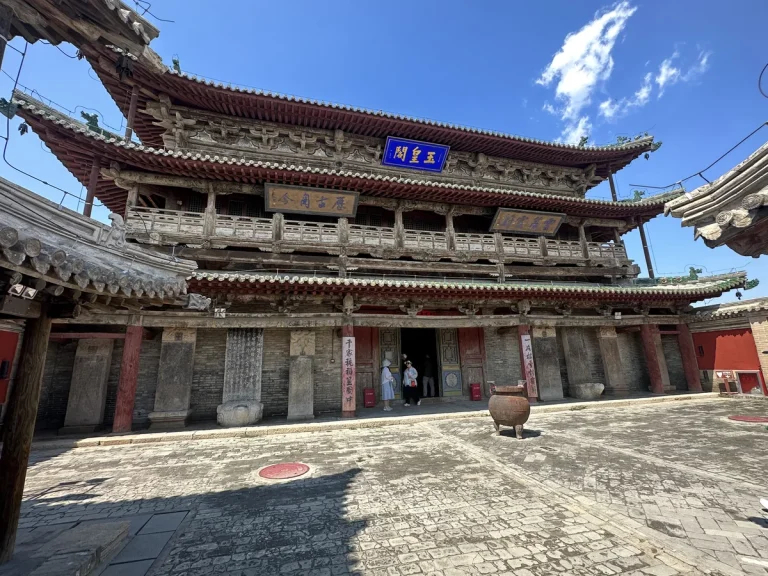
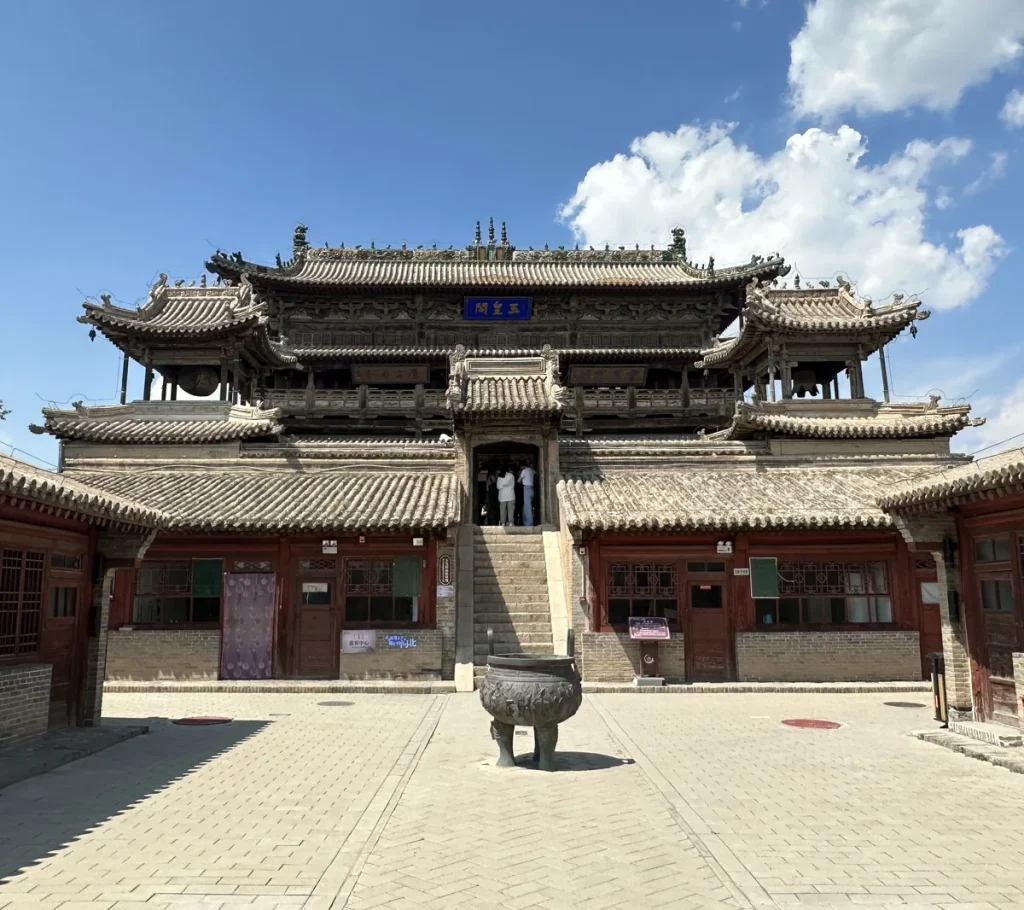
The Hebei cultural heritage authority dates Yuhuang Pavilion to 1377, the tenth year of the Ming Hongwu reign. Also called Jingbian Lou, it stands on the northern city wall. The authority describes a two-storey pavilion with three tiers of eaves and a glazed-tile roof. That difference between storeys and roof tiers is worth noticing: counting the roofs does not tell you how many floors the building has.
Stand back before concentrating on details. The photographs show deep overhanging eaves, closely spaced brackets, timber railings and a substantial masonry base. Looking at how these parts sit together is more revealing than treating the building as a single backdrop. Then compare the view from the courtyard with the angle nearer the hall, without blocking its entrance. The pavilion has undergone conservation; its founding date does not mean that every visible component is untouched fourteenth-century material.
Inside, where access is permitted, the subject changes from the city wall to Daoist imagery. An official illustrated account describes the Jade Emperor, the Queen Mother of the West, the Five Sacred Peaks’ deities and groups of thunder deities in the hall’s murals. Ask staff which areas may be viewed and photographed. Avoid flash and do not touch the painted surfaces, even when a detail is difficult to see in low light.
Nan’an Temple Pagoda: read it from the ground
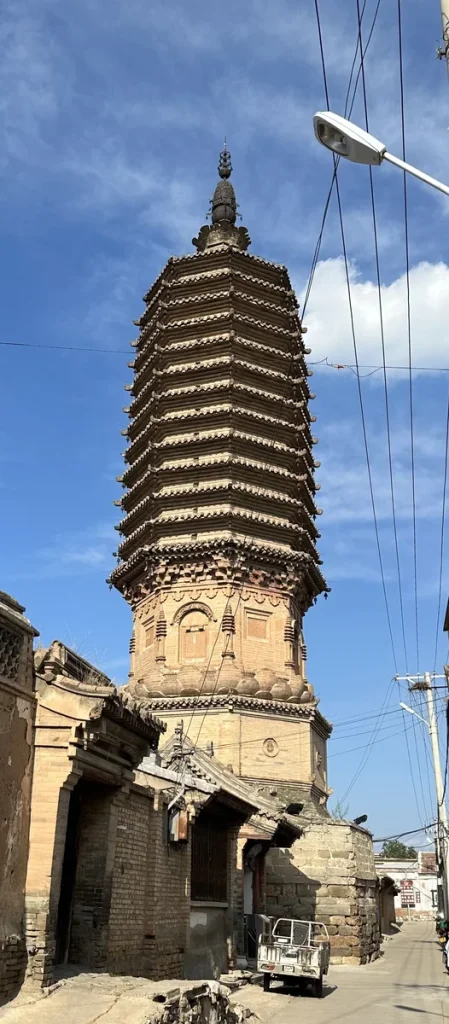
Near the west side of the old southern gate area, Nan’an Temple Pagoda provides a striking contrast. The provincial heritage inventory identifies it as an octagonal, solid-core brick pagoda with thirteen closely spaced eaves, about 32.1 metres tall. Its form is attributed to the Liao period, and the inventory records a repair in 1706. This is not a tower to plan around an interior stair climb.
Start with the outline, then move your attention downward: the stacked eaves, the decorated lower body, the lotus support and the base. The inventory notes both imitation doorways and blind windows. These are architectural decoration rather than evidence of rooms behind every opening. A photo taken from a respectful distance also shows the relationship between the tower and the surrounding low buildings, which a tightly cropped detail can miss.
Keep the visit on public, permitted routes. A residential doorway or a side courtyard does not become a visitor entrance just because it offers a better camera angle. Let people pass, avoid photographing residents at close range without permission, and leave parked vehicles and everyday street life out of your way rather than trying to rearrange them.
A half-day route that leaves time to look
The following is a suggested pace, not an official guided-tour timetable. Reverse the order if your arrival point or the day’s entrance arrangements make that easier.
- Begin at Yuhuang Pavilion, about 60–75 minutes. Confirm entry first, then spend time on the courtyard, the building’s exterior and any accessible interior. If an area is closed, do not try to make up the visit by climbing an unapproved wall section.
- Walk south through the old city, about 45–60 minutes with stops. Use the pagoda as the next saved map destination. Choose public streets rather than shortcuts through compounds. Allow extra time if you like photographing rooflines or browsing small shops.
- Pause for lunch or tea, about 30–45 minutes. Pick somewhere with a menu you can understand or translate. Confirm ingredients and portion size before ordering, especially with allergies or dietary restrictions.
- Finish at Nan’an Pagoda, about 30–45 minutes. Take an overall view and a few details from the accessible perimeter, then return to your agreed pickup point. Keep a buffer rather than booking onward transport for the exact minute the walk should end.
If you arrive late, choose one main monument instead of rushing through both. Architecture enthusiasts may prefer to give Yuhuang Pavilion most of their time; visitors who mainly want an exterior landmark photograph can keep the pagoda stop shorter. These choices are more useful than treating every site as an equal-length stop.
Tickets, opening hours and what is actually confirmed
The Beijing official tourism directory lists ancient-city opening hours of 09:00–17:30, with last entry at 17:00, a RMB 80 combined ticket and RMB 20 for Yuhuang Pavilion. These are published reference figures checked for this guide on 15 September 2026, not a confirmed same-day tariff. The directory does not establish today’s access to every hall or exactly which attractions your ticket will cover.
Before paying, ask for the current included-site list and last admission time. If you only want the two landmarks in this walk, do not assume that a combined ticket is automatically better value. We have not independently confirmed a current separate fee for Nan’an Pagoda, so none is quoted here. Keep an image of your booking or receipt available offline.
Getting there and choosing a base
Plan this as a Yuxian road-transfer visit, not an attraction next to Zhangjiakou railway station. The Hebei tourism authority reported the full opening of the Jingwei Expressway connection at the end of 2024, improving road access between Beijing and the Yuxian area. Your actual departure district, traffic and hotel location still determine whether a same-day return is comfortable.
For a straightforward trip, arrange a car or a confirmed coach-and-local-transfer combination before departure. Ask for the complete journey, including the last segment into the old city and the return leg. This guide does not quote an unverified direct bus schedule. A driver should receive the Chinese landmark pin, not just “Zhangjiakou,” which covers a much larger area.
Staying in Yuxian gives you more room for the old-city walk and a separate Nuanquan visit. If your wider journey continues to the regional city centre, use the Zhangjiakou trip planner to keep the areas distinct. The Buzili fortress walk and Xuanhua old-city guide make separate heritage stops; they are not neighbouring streets you can add to this walk.
Photography, comfort and realistic expectations
The three photographs in this guide were taken on 1 August 2024. They document the actual landmarks, but do not prove present-day opening arrangements or the absence of repairs. The broad hall view is useful for understanding the pavilion’s proportions; the tall pagoda view shows why a vertical frame works better there. Keep the entire roof or finial in frame when space allows, and never step into traffic to fit the building into a photograph.
Wear shoes with grip and allow for stone thresholds, steps and uneven surfaces. A level-looking courtyard photograph is not proof of step-free access. Visitors with limited mobility should ask specifically about the entrance route, steps and accessible viewing points. Bring water and sun protection for open stretches; in cold weather, plan a warm indoor break rather than an uninterrupted long walk.
Can you combine the old city with Nuanquan?
Yes, as a planned two-stop day or an overnight trip, with transport between them. Spend daylight on buildings and reserve any evening show separately. Dashuhua performances should not be assumed to run every night or to be included in an ancient-city ticket. Give each place its own time: Yuzhou’s pavilion and pagoda offer architectural observation, while Nuanquan has its own village-fortress setting and performance arrangements.
If this is your first visit and you dislike rushed transfers, stay one night and split the two places across two days. A relaxed half-day with time to understand one building is more rewarding than collecting entrances without seeing what makes them different.
Sources and photo credits
- Hebei Provincial Cultural Heritage Administration: Yuhuang Pavilion conservation and architectural background.
- Hebei Provincial Cultural Heritage Administration: national protected-site inventory, Nan’an Temple Pagoda entry.
- Shanghai Government Offices Administration: illustrated account of Yuhuang Pavilion’s murals.
- Beijing official tourism directory: Yuzhou Ancient City, reference opening hours and ticket listings.
- Hebei Department of Culture and Tourism: Jingwei Expressway opening and regional access.
Photographs by HaziiDozen are individually credited above with their source pages and CC BY-SA 4.0 license. Suggested visit durations and route choices are editorial planning estimates, not operator guarantees.
Zhangjiakou Fortress Guide: Buzili Old Town, Trade Streets and Museum Stops
Explore Zhangjiakou Fortress, known locally as Buzili, with its walls, former banks, Yuhuang Pavilion, museum stops, trade history,…
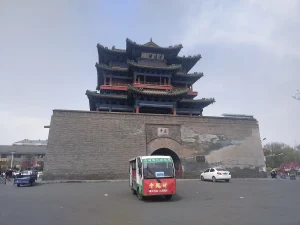
Xuanhua Ancient City Guide: Qingyuan Tower, Old Streets and Zhangjiakou Trip Tips
Plan Xuanhua Ancient City in Zhangjiakou with Qingyuan Tower, old streets, train links, grape heritage, Dajingmen pairing, seasons,…
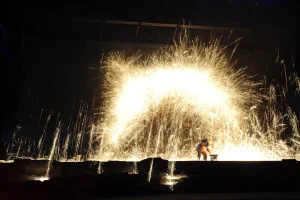
Nuanquan Ancient Town and Dashuhua Guide: Yuxian Fortress Walks and Fire-Flower Shows
Plan Nuanquan Ancient Town in Yuxian with Xigubao walking context, Dashuhua fire-flower show checks, respectful viewing advice, and…
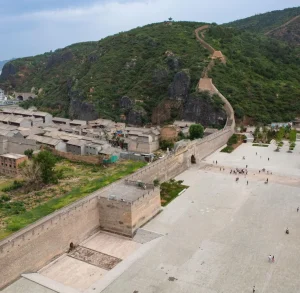
Dajingmen Great Wall Guide in Zhangjiakou: Gate, Trade Route and Beijing Train Tips
Plan Dajingmen in Zhangjiakou with Great Wall history, Zhangku trade route context, Beijing train links, walking tips, seasons,…

Zhangbei Grassland Road Guide: Grass Skyline, Wind Farms and Zhangjiakou Weekend Tips
Plan Zhangbei Grassland Road in Zhangjiakou with self-drive timing, grassland scenery, wind farms, Beijing links, seasons, hotels, and…
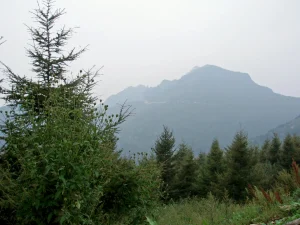
Baishi Mountain Guide: Laiyuan Marble Peaks, Hiking Pace and Day-Trip Planning
Plan a thoughtful Baishi Mountain visit from Laiyuan with real trail scenes, marble-peak context, weather-aware pacing, practical preparation,…