
Qingchui Peak Chengde Guide: Hiking, Cable Car and Toad Rock
Chengde’s Qingchui Peak is the narrow rock column many visitors notice above the hills east of the city. The Chinese name is 磬锤峰; locals also call it 棒槌山, or Bangchui Mountain, after its mallet-like shape. The point of coming here is not to collect another temple ticket. It is to see an unusual landform close up, walk through a wooded hillscape and understand how the peak sits in the wider Chengde scenery.
The practical decision is whether to walk up from the south-side approach near Pule Temple or use the north-side cable-car approach when it is operating. Both still involve outdoor walking. Allow a flexible half day rather than treating the visit as a five-minute photograph stop; the right duration depends on your fitness, weather, entrance and whether the cable car is open.
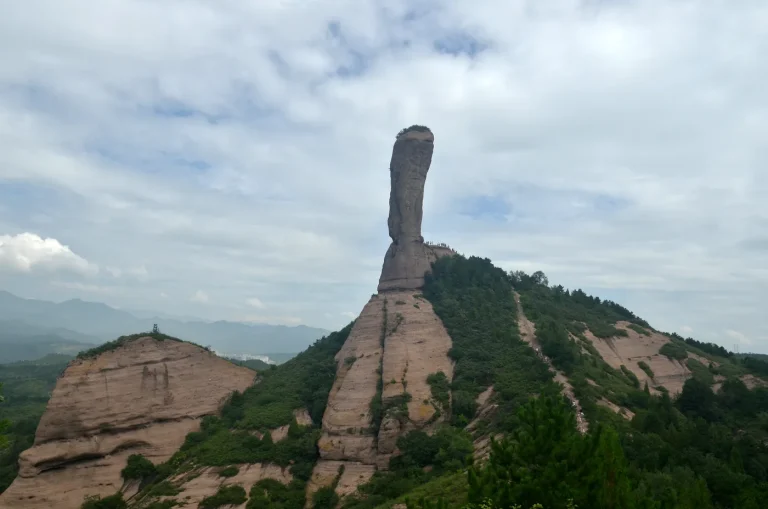
What are you actually looking at?
The rock pillar rises from a broader sandstone base, so it looks very different from far away and from the path beneath it. From a distance it is a small vertical mark against the hills. Close up, the rounded upper mass and narrower lower section explain the popular “mallet” nickname. Chengde’s cultural-heritage bureau places the peak in the same landscape as Pule Temple and notes that local legends have grown around its formation. Those stories are part of the visitor experience, not a substitute for geology.
Keep the scale of the place in mind. A good long-view photograph can be made without standing directly below the pillar, while the base gives a more physical sense of the stone. The trail and viewing areas may have barriers or temporary restrictions. Stay behind them, especially on bare rock and after rain; reaching a viewpoint never requires climbing the monument itself.
Choose your approach before leaving the city
Walk from the Pule Temple side
Older destination listings describe a walking approach via 普乐寺 (Pule Temple) and the park’s south side. That can be the better choice if you want the ascent itself to be part of the day. It is not a level urban stroll: expect uphill sections, stone or compacted-earth paths and changes in footing. Wear shoes with grip, carry water and leave enough time to descend before the park closes. A person who is uncomfortable on uneven paths should not select this option solely because an online itinerary calls it “easy.”
Do not assume a ticket to the forest park includes every separate heritage site. If you also plan to enter Pule Temple, check its own admission and opening status. Our Pule Temple guide explains what you will see there; the temple’s architecture and Qingchui’s geology are related by setting, not the same attraction.
Use the cable-car side if it is running
A Chengde municipal notice confirmed that the north gate and Qingchui cable car reopened on 1 April 2024. That notice is evidence of a service at that time, not proof that it runs every day in September 2026. Weather, maintenance, fire-safety measures and seasonal operations can change the plan. Check the park’s current official notice or contact the attraction before relying on it, and confirm both the last ascent and last descent on the day.
The cable car saves part of the climb but does not turn the upper area into a step-free viewpoint. If mobility is limited, ask about the actual distance and surfaces between the upper station, viewing areas and return station before buying a ticket. Do not plan a one-way ride without knowing whether you can comfortably walk down.
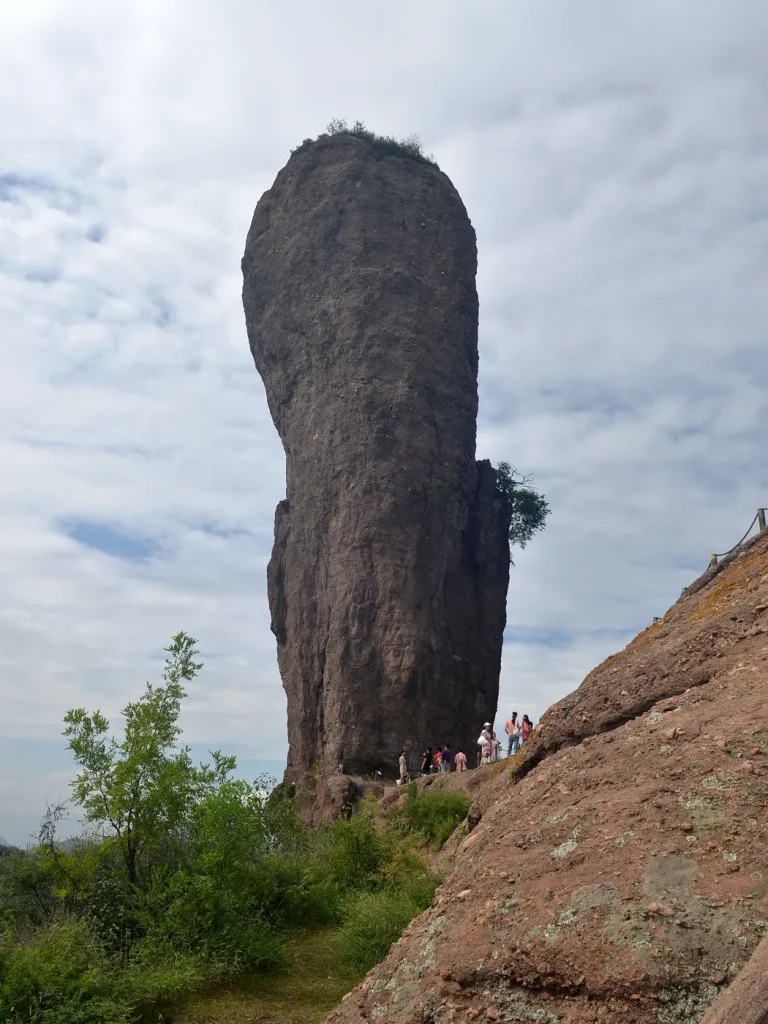
A sensible route near the peak
First, stop at a medium-distance view so the full pillar and its base fit into one frame. If you begin too close, the form that makes Qingchui distinctive disappears. Then follow the signed path toward the closer viewing area. The photograph above shows people at the base; it also makes clear why a wide-angle phone shot taken from the rock’s foot can distort its proportions.
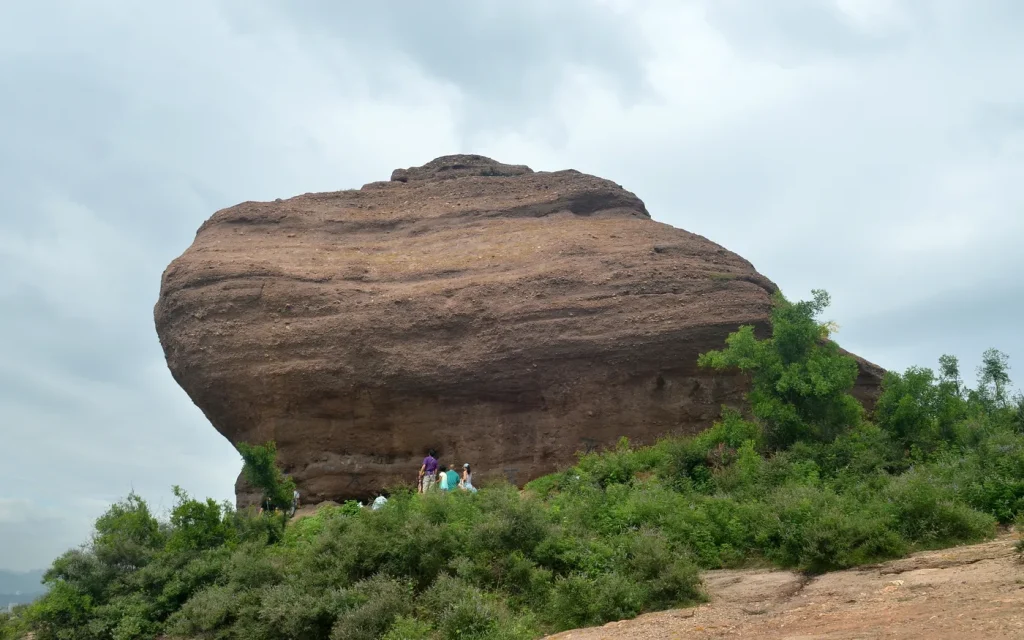
Nearby 蛤蟆石 (Hama Shi, Toad Rock) is a separate rounded formation. Look for the sign and consider it a second stop, not another name for Qingchui Peak. The two rocks are often mentioned together in local descriptions, but photographs of one should never be labelled as the other.
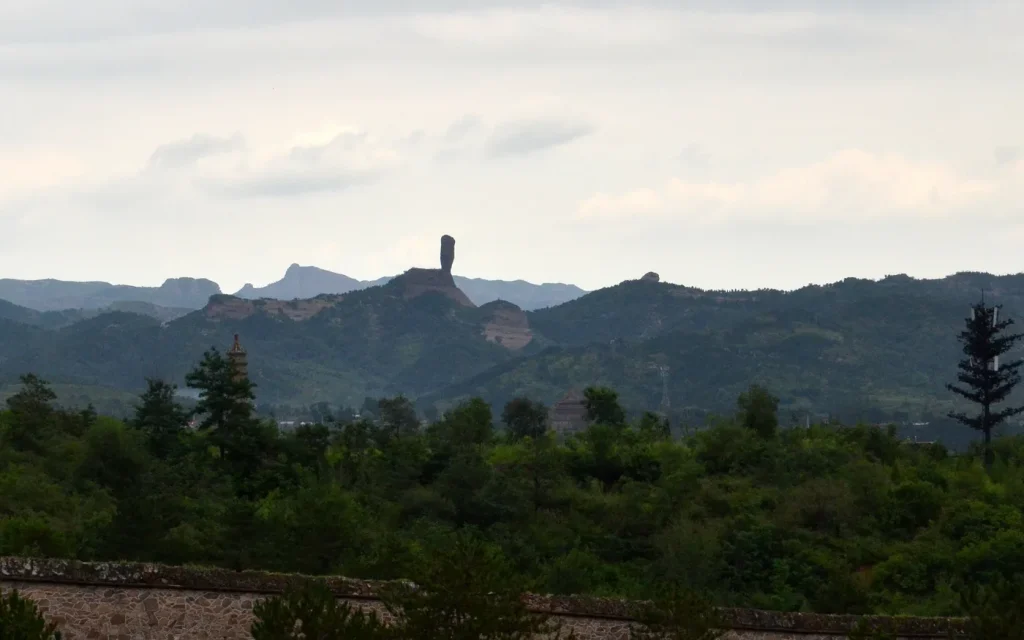
After the close viewpoints, leave time for one longer look back across the hills. This final perspective connects the isolated rock with the forest and the urban-edge terrain around Chengde. On a hazy day you may not get a postcard-clear skyline; the walk can still be worthwhile, but photography is better when visibility is good.
Getting there and pairing it with other Chengde sights
Save the Chinese name 磬锤峰国家森林公园 in your map app. Before booking a ride, decide which gate you need: the walking entrance associated with the Pule Temple side or the north-side cable-car entrance. Asking only for “Bangchui Mountain” may bring you to a viewpoint or the wrong side of the hill. Ask your driver to show the intended drop-off pin, and note your return pickup place because the entrances are not interchangeable shortcuts.
If you are coming from Beijing, our Beijing to Chengde train guide helps distinguish the railway stations. Do not make a tight train connection immediately after a hike. For a wider first visit, see the two-day Chengde itinerary; it helps divide the city into manageable blocks rather than combining distant sites simply because they share a city name.
Pule Temple is the most natural nearby cultural pairing because it sits on the walking side. The Mountain Resort is a separate, large-scale visit. It is better to give the resort its own time than to race through both attractions on a rigid clock. If you prefer a temple-focused day with less climbing, compare our Puning Temple guide instead.
Current checks, safety and what the photos can tell you
Checked 20 September 2026: official and institutional sources establish the peak, its setting and the existence of the two approaches. They do not provide a reliable, same-day guarantee of ticket prices, current hours or cable-car operation. Older tourism listings show different schedules and prices. Verify the live details before leaving, particularly during holidays, high winds, storms, maintenance or forest-fire restrictions.
Carry water and sun protection for exposed sections, but be ready for wind at higher viewpoints. In wet or icy conditions, shorten the walk or postpone it. Chengde’s official cable-car reopening notice also stresses forest-fire rules: no smoking or open flames in the park. Follow current signs and staff instructions even when they differ from a travel article.
The four photographs are real images taken at Qingchui Peak in August 2012. They document the shape of the pillar, nearby Toad Rock, visitors at the base and a wider landscape. They do not document today’s path condition, queue length, pricing or cable-car operation. Each caption links to the original file and licence; no AI-generated scene is presented as a destination photograph.
Sources and further checks
- Chengde Cultural Heritage Bureau: Qingchui Peak setting and relationship with Pule Temple.
- Chengde Municipal Government: 2024 north-gate and cable-car reopening notice, including fire-safety rules; not a current operating guarantee.
- Chengde Municipal Government: 2025 reporting from the national forest park.
- Beijing tourism destination listing: distinguishes the walking approach via Pule Temple from the cable car; published prices and hours may be outdated.
Check the park’s current notice, both gate locations and weather shortly before visiting. Route order and time allowances here are editorial planning advice.
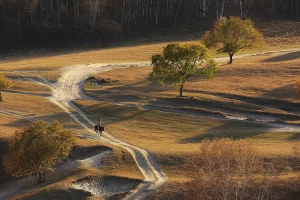
Mulan Paddock Weichang Guide: Grasslands, Yudaokou and Saihanba Route
Plan a thoughtful Mulan Paddock trip in Weichang: grassland and forest landscapes, Yudaokou and Saihanba route logic, seasonal…
Wulingshan National Nature Reserve Guide: Xinglong Forest Trails and Visitor Planning
Plan a Wulingshan visit in Xinglong with forest-and-waterfall context, reserve-minded hiking advice, current-access checks, and practical links for…
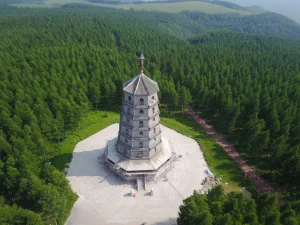
Saihanba National Forest Park Guide: Forests, Lakes and Chengde Grassland Route Tips
Plan Saihanba National Forest Park in Chengde with forest scenery, lakes, Mulan Paddock context, Beijing route choices, seasons,…
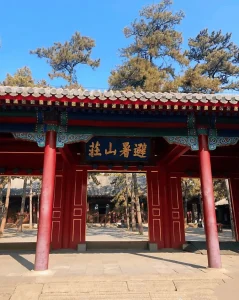
Chengde Mountain Resort Travel Guide: Route, Tickets and Outer Temples
Plan Chengde Mountain Resort with route timing, season, ticket checks, Outer Temple pairing, transport, hotel area, and practical…
Chengde Mountain Resort History: Qing Summer Palace and Outer Temples
Understand Chengde Mountain Resort history, Qing summer palace context, garden layout, Outer Temples, visitor pacing, and how to…
Fengning Bashang Grassland Guide from Beijing: Routes, Seasons and Chengde Weekend Tips
Plan Fengning Bashang Grassland from Beijing with route choices, best seasons, grassland scenery, Chengde links, hotels, weather, and…