
Wulingshan National Nature Reserve Guide: Xinglong Forest Trails and Visitor Planning
Wulingshan National Nature Reserve is one of the strongest forest-and-mountain escapes in northern Hebei. Set in Xinglong County within the wider Chengde area, it is a place for cool woodland, rocky ridges, streams, and changing mountain weather rather than a fast checklist of monuments. For travelers coming from Beijing or Chengde, the appeal is a slower day outdoors with a clear conservation context.
This is not a destination to treat as an open-ended wilderness trek. Wulingshan is a protected area, and the useful visitor experience is the managed scenic-area side: marked routes, designated viewing points, forest roads, and the places currently open to the public. Plan around the official access rules on the day, stay on signed paths, and let conditions decide how far you go.
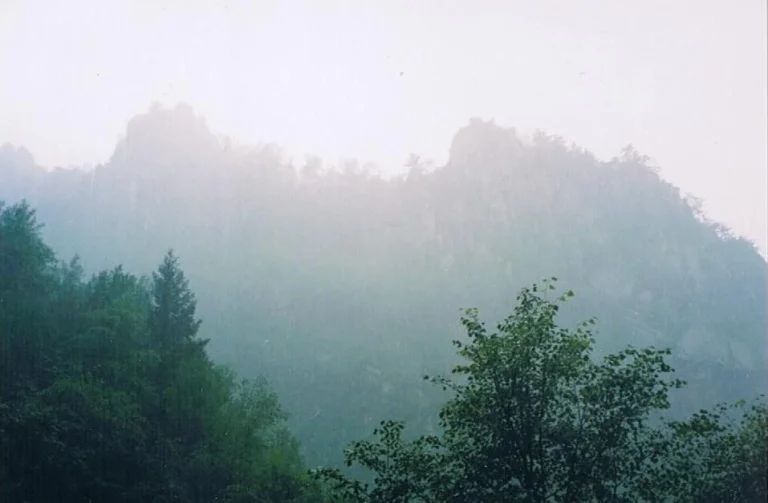
Why Wulingshan is worth the detour
Wulingshan offers a very different Chengde experience from imperial palaces and temple courtyards. The Hebei cultural-tourism authority describes it as a national nature reserve with high forest cover and a main peak at 2,118 metres, part of the Yanshan mountain system. Its combination of elevation, forest cover, rock formations, and water is the reason to visit, not a single photo stop.
Its mountain climate makes preparation more important than a typical city walk. Even in the warmer months, cloud, rain, and a noticeable temperature change can arrive along the route. Carry a light rain layer, water, food, and a charged phone, then turn back when visibility, weather, or the signed route requires it.
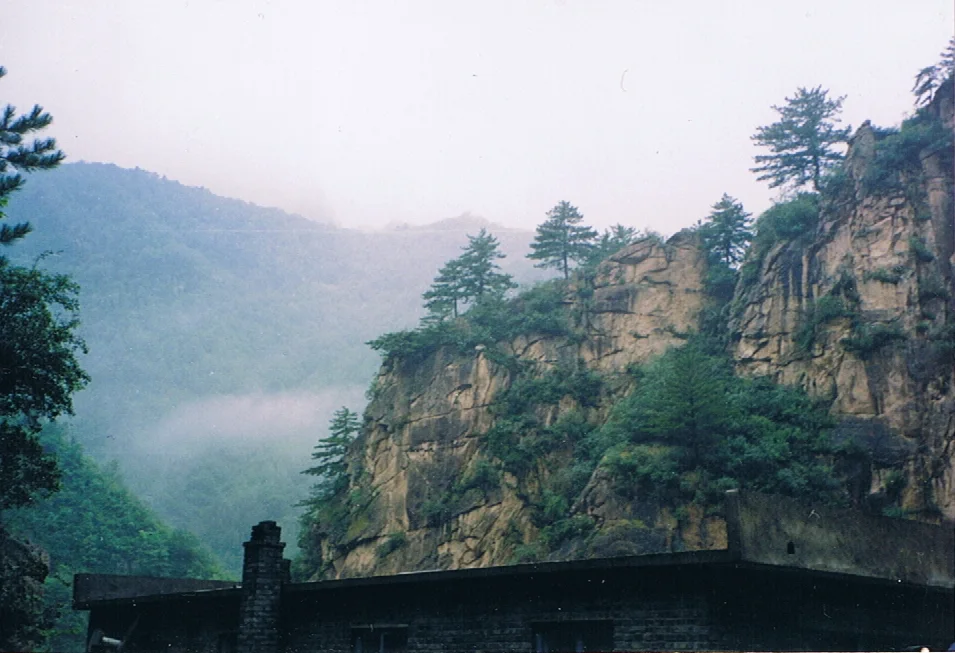
How to plan the visit
Check access before you leave
Do not rely on an old blog for gate choice, opening hours, last entry, ticket price, shuttle operation, or road conditions. These can change with weather, fire-prevention measures, maintenance, and conservation management. Check the reserve or local Xinglong visitor channel shortly before travel, especially after heavy rain, during public holidays, and in the forest-fire prevention season.
Use a realistic transport plan
Wulingshan is not a simple station-to-gate walk. If you start in Beijing, first use the Beijing to Chengde high-speed train guide to understand the rail leg, then arrange the local connection only after you know which visitor entrance is open. A hired car or local driver can be more practical than trying to combine distant transfers with a long mountain route, but confirm the pickup and return plan before starting uphill.
Give it its own day
Reserve a full daylight window for the mountain and avoid combining it with a same-day palace, temple, or tomb itinerary. The Beijing to Chengde two-day itinerary is a better starting point for travelers who want to add Wulingshan as a nature-focused extension rather than rushing between unrelated sights.
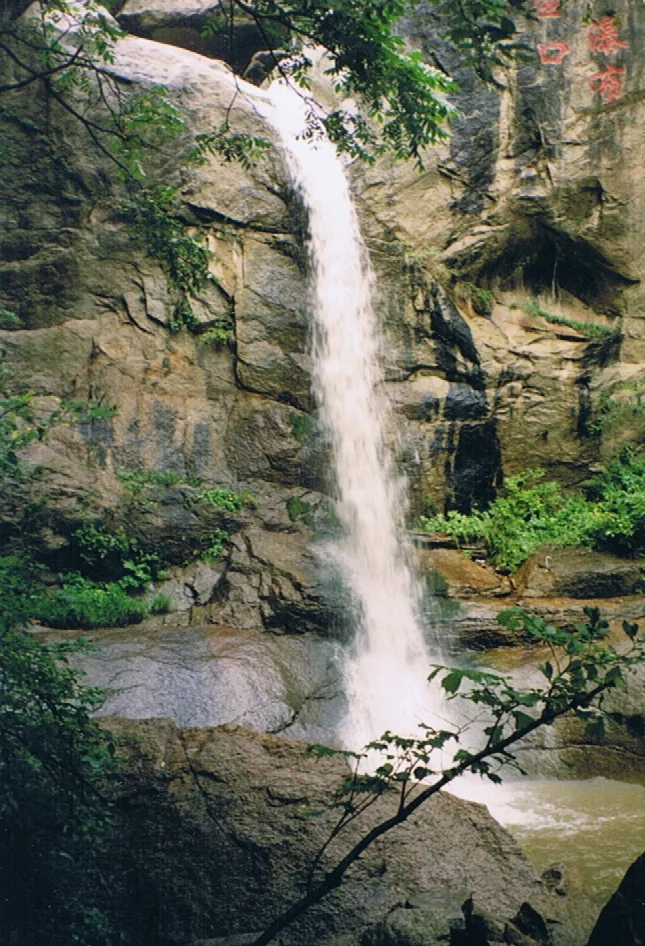
A low-impact mountain checklist
- Wear suitable shoes: choose treaded footwear for wet stone, uneven steps, and forest paths.
- Bring layers: a light waterproof layer is more useful than carrying heavy equipment on a day route.
- Stay on the marked route: protected habitats are not a shortcut or an off-trail photo backdrop.
- Carry out rubbish: do not leave food packaging, tissues, or disposable bottles in the reserve.
- Keep wildlife at a distance: do not feed, chase, or try to photograph animals at close range.
- Set a return time: leave enough margin for the descent and your arranged transport.
What to pair with Wulingshan
For a Chengde-based trip, pair a mountain day with a cultural day rather than forcing both into one schedule. The Chengde Mountain Resort guide gives the imperial-history contrast, while the Puning Temple guide is a focused option for a separate temple visit. Travelers looking for a broader forest-and-grassland route can also compare the season and scale with the Saihanba National Forest Park guide, but should not assume the two places can be combined in a quick day trip.
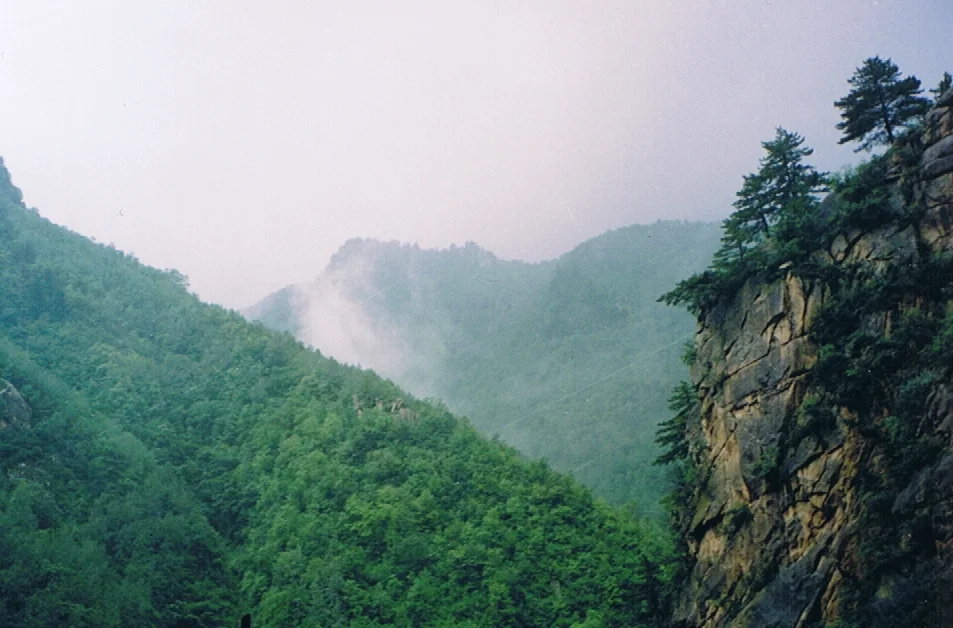
When Wulingshan fits your trip
Choose Wulingshan when you want forest air, a slower walking day, and a more ecological counterpoint to Chengde’s historic sites. It is less suitable for a tightly timed first visit to Chengde, travelers without a confirmed return transfer, or anyone expecting a fully urban sightseeing experience. With a current access check and a conservative plan, it can be one of the most rewarding nature days in Hebei.
Official references and current checks
For reserve background, forest coverage, climate context, and the four developed scenic areas described by the provincial tourism authority, see the Hebei Department of Culture and Tourism overview. The Hebei ecological-protection archive gives protected-area background, and the Xinglong County profile confirms Wulingshan’s place in the county. Confirm all same-day operating details directly before travel.
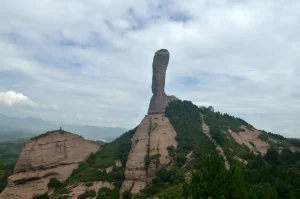
Qingchui Peak Chengde Guide: Hiking, Cable Car and Toad Rock
Plan a visit to Qingchui Peak in Chengde: see the rock pillar and Toad Rock, compare the walking…
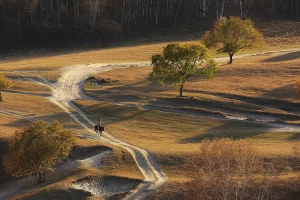
Mulan Paddock Weichang Guide: Grasslands, Yudaokou and Saihanba Route
Plan a thoughtful Mulan Paddock trip in Weichang: grassland and forest landscapes, Yudaokou and Saihanba route logic, seasonal…
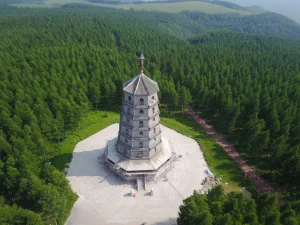
Saihanba National Forest Park Guide: Forests, Lakes and Chengde Grassland Route Tips
Plan Saihanba National Forest Park in Chengde with forest scenery, lakes, Mulan Paddock context, Beijing route choices, seasons,…
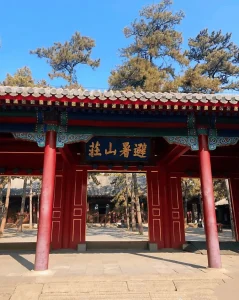
Chengde Mountain Resort Travel Guide: Route, Tickets and Outer Temples
Plan Chengde Mountain Resort with route timing, season, ticket checks, Outer Temple pairing, transport, hotel area, and practical…
Chengde Mountain Resort History: Qing Summer Palace and Outer Temples
Understand Chengde Mountain Resort history, Qing summer palace context, garden layout, Outer Temples, visitor pacing, and how to…
Fengning Bashang Grassland Guide from Beijing: Routes, Seasons and Chengde Weekend Tips
Plan Fengning Bashang Grassland from Beijing with route choices, best seasons, grassland scenery, Chengde links, hotels, weather, and…