
Chengde Mountain Resort Travel Guide: Route, Tickets and Outer Temples
Chengde Mountain Resort is the main reason many travelers add Chengde to a Hebei route. It is large, layered, and easy to underestimate. A good visit should not try to rush every corner. Plan around the Palace Area, lake scenery, selected viewpoints, and enough time to understand how the resort connects with the surrounding Outer Temples.
This page is the practical visitor guide. For the UNESCO-style heritage context, Qing imperial politics, and the relationship between the resort and the Outer Temples, read the companion Chengde Mountain Resort history and heritage guide.
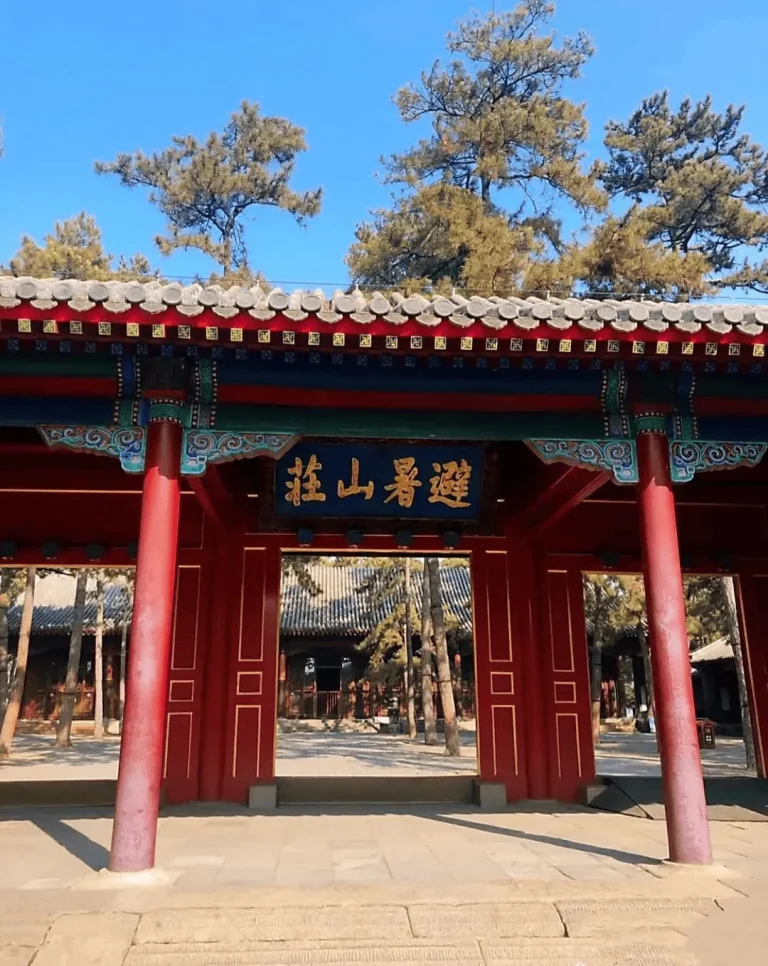
How Much Time Do You Need?
One full day is the minimum for the Mountain Resort itself. If you also want the Outer Temples, plan two days in Chengde. A same-day trip from Beijing is possible by high-speed rail, but it is tight and works best for travelers who accept a selective route. For most visitors, one night in Chengde makes the trip more comfortable.
Best Route Inside the Resort
- Start with the Palace Area: this gives context before the gardens and lake sections.
- Continue to the Lake Area: allow time for bridges, pavilions, reflections, and slower walking.
- Add the Plain Area if time allows: this helps explain why the resort feels different from Beijing gardens.
- Choose mountain viewpoints selectively: the site is large, so do not turn the day into an exhausting march.
- Save Outer Temples for another half-day: Putuo Zongcheng Temple and Puning Temple deserve focused time.
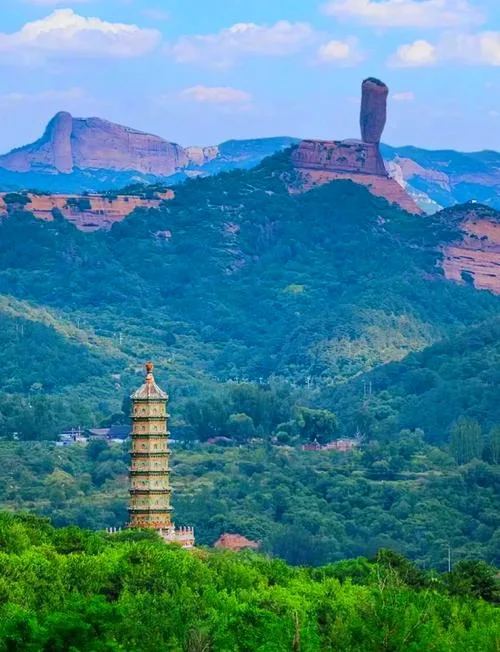
Getting to Chengde
High-speed rail from Beijing is usually the most practical choice for international travelers. Exact stations, train times, and ticket availability change, so verify live information before booking. Our Beijing to Hebei train guide explains the planning logic for reaching Chengde and other Hebei cities.
Once in Chengde, choose accommodation based on access to the Mountain Resort entrance and transport to the Outer Temples. A hotel that saves 20-30 minutes of local travel can make the visit much easier.
One-Day Route
If you only have one day, keep the plan disciplined. Enter early, visit the Palace Area first, then use the Lake Area as the core scenic walk. After lunch, choose either a plain/mountain section inside the resort or one Outer Temple. Do not try to combine the full resort, several temples, and a long city meal in the same day unless you are comfortable rushing.
- Morning: Palace Area and central exhibits.
- Late morning: Lake Area, bridges, pavilions, and photo stops.
- Afternoon: selected mountain/plain area or one Outer Temple.
- Evening: simple dinner near your hotel or station area.
Two-Day Route
A two-day route is stronger for SEO and for real travelers because it matches the size of the destination. Spend the first day inside the Mountain Resort and the second day on the Outer Temples, especially Putuo Zongcheng Temple and Puning Temple. This route also gives you a buffer for weather, walking fatigue, and seasonal service changes.
Best Season
Summer is historically appropriate because the site was built as an imperial retreat from heat, but it can also be busier. Autumn is often the most comfortable season for walking and photography. Winter can be quiet and atmospheric, but shorter daylight, cold weather, and seasonal access changes make current checks more important.
For first-time international visitors, late spring and autumn are often easier than peak summer. You still get enough daylight and greenery, but the visit feels less like a heat-avoidance trip and more like a heritage route. In winter, check whether lakes, shuttles, and mountain sections are practical before building the day around them.
What to Check Before You Go
- Current opening hours and last-entry time.
- Ticket rules for the Mountain Resort and separate Outer Temple sites.
- Whether shuttle, boat, or mountain-route services are operating.
- Weather, especially in winter or after heavy rain.
- Whether any halls or exhibition areas are temporarily closed for conservation.
Common Planning Mistakes
The biggest mistake is treating Chengde as a single attraction you can finish in two hours. The second mistake is assuming the Outer Temples are inside the same easy walking loop as the lake and palace areas. The third is relying on old ticket or shuttle prices from travel blogs. Use official and current sources for operational details, then use travel guides like this one for route logic.
For province-wide comparison, continue with the Hebei attractions hub or the Hebei destinations hub.
References and Current Checks
Use current and varied sources before traveling, including the Chengde Mountain Resort scenic area website, Hebei Cultural Relics Bureau heritage page, and Xinhua coverage of Chengde heritage protection.
How much time to allow
A short visit can cover highlights, but it often misses why the resort matters. A better first visit allows at least a half day for the resort itself. A full day is stronger if you like gardens, photography, history, or slow walking. Two days lets you add Puning Temple, Putuo Zongcheng Temple, and a calmer Chengde meal plan.
Use live checks for opening details, transport, and weather. Chengde is more sensitive to season than many city routes: summer can be more comfortable as a retreat destination, autumn can be photogenic, and winter requires more attention to daylight and cold.
If you are coming from Beijing, compare train timing before deciding whether Chengde is a day trip or an overnight stay. For most first-time foreign visitors, overnighting makes the resort and temples easier to understand.
The Puning Temple guide is a useful follow-up when you are adding an Outer Temples visit after the resort.
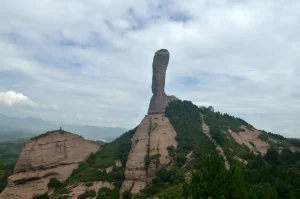
Qingchui Peak Chengde Guide: Hiking, Cable Car and Toad Rock
Plan a visit to Qingchui Peak in Chengde: see the rock pillar and Toad Rock, compare the walking…
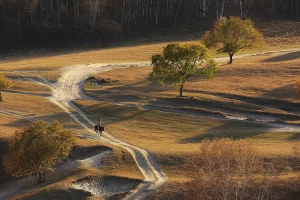
Mulan Paddock Weichang Guide: Grasslands, Yudaokou and Saihanba Route
Plan a thoughtful Mulan Paddock trip in Weichang: grassland and forest landscapes, Yudaokou and Saihanba route logic, seasonal…
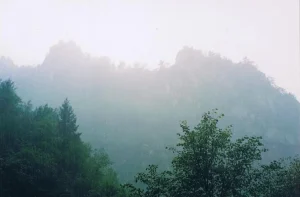
Wulingshan National Nature Reserve Guide: Xinglong Forest Trails and Visitor Planning
Plan a Wulingshan visit in Xinglong with forest-and-waterfall context, reserve-minded hiking advice, current-access checks, and practical links for…
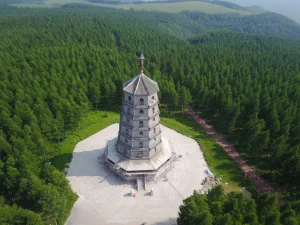
Saihanba National Forest Park Guide: Forests, Lakes and Chengde Grassland Route Tips
Plan Saihanba National Forest Park in Chengde with forest scenery, lakes, Mulan Paddock context, Beijing route choices, seasons,…
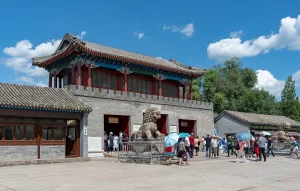
Chengde Mountain Resort History: Qing Summer Palace and Outer Temples
Understand Chengde Mountain Resort history, Qing summer palace context, garden layout, Outer Temples, visitor pacing, and how to…
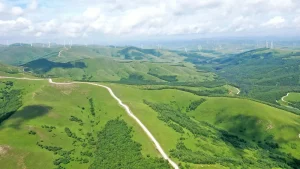
Fengning Bashang Grassland Guide from Beijing: Routes, Seasons and Chengde Weekend Tips
Plan Fengning Bashang Grassland from Beijing with route choices, best seasons, grassland scenery, Chengde links, hotels, weather, and…