
Mulan Paddock Weichang Guide: Grasslands, Yudaokou and Saihanba Route
Mulan Paddock is best understood as a broad northern-Hebei landscape rather than a single gate, lake, or photo stop. In Weichang County, the route brings together open grassland, birch-lined valleys, forests, wetland edges, and a road network that links areas commonly described as Yudaokou, Saihanba, and nearby Bashang country. That variety is the reason to go, but it is also the reason a rushed itinerary often disappoints.
This guide is for travelers who want a realistic Mulan Paddock plan: how to shape the route, how to separate the landscape zones, what seasonal changes mean for a visit, and which details must be confirmed locally before setting out. It is not a ticket-price list. Access rules, opening arrangements, road conditions, and activities can change, especially around public holidays and periods of rain, fire risk, or early snow.
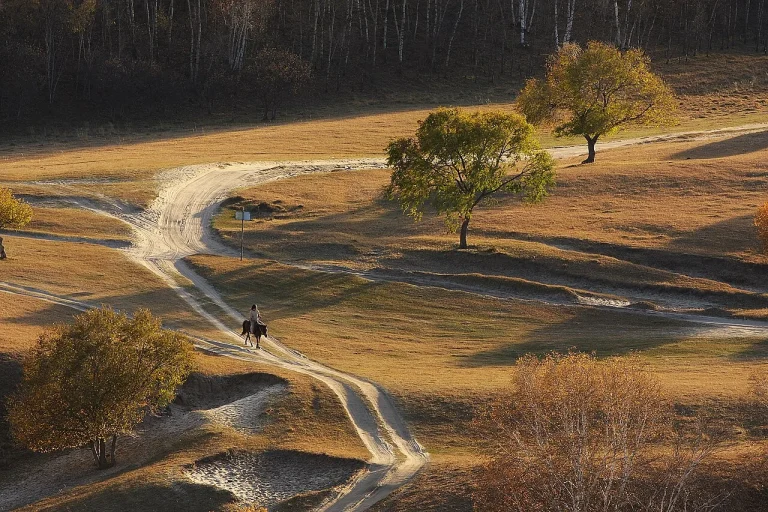
What Mulan Paddock means on a map
“Mulan Paddock” is a useful travel name, but it can hide the scale of the area. The wider Weichang landscape includes the Saihanba forest zone, Yudaokou grassland-and-forest country, and other scenic or protected areas along the Bashang plateau. Official planning documents describe the Saihanba-Yudaokou forest-and-grassland cluster as a major Weichang destination area, while provincial tourism planning links Mulan Paddock with royal-hunting culture and Manchu-Mongolian regional traditions. For a visitor, the practical conclusion is simple: choose one or two connected zones per day instead of trying to collect every pin on a map.
The historic name refers to the Qing imperial hunting grounds, but a modern trip should not turn that history into a costume-show assumption. The strongest experience is usually landscape-led: a long drive through changing terrain, short walks where they are permitted, and time to observe the difference between grassland, woodland, wetland, and settlement. Treat cultural displays and organized activities as optional additions only after you have checked their current official arrangements.
Build the route around terrain, not an overfilled checklist
For a first visit, make Yudaokou and the surrounding grassland-forest edge the visual anchor. This is the zone to slow down for wide views, smaller roads, and changing light. A second day can move toward Saihanba, where the emphasis shifts toward forest, water, and a more conservation-focused landscape. The separate Saihanba National Forest Park guide is useful when Saihanba is the main purpose of the trip rather than one stop in a larger Weichang route.
Do not assume a map distance equals a quick transfer. Mountain and plateau roads, photo stops, weather, cattle or sheep crossings, parking, and changing daylight can turn a short-looking route into the whole day. Keep one part of each day deliberately open. That margin is more valuable than adding a fourth distant landmark and reaching it after the light has gone.
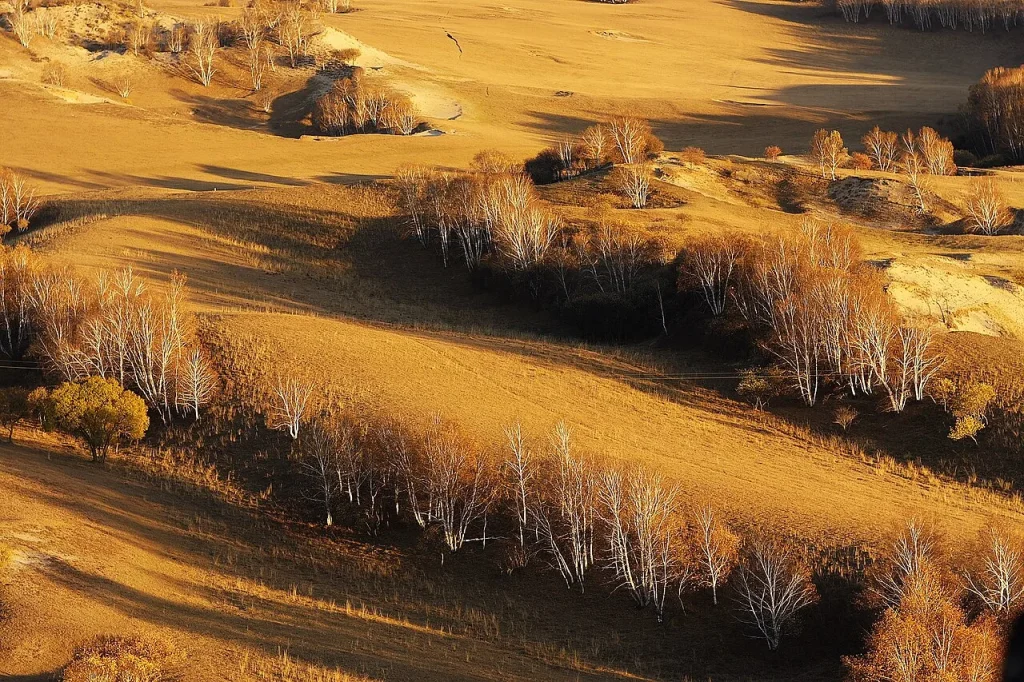
When to go: plan for conditions, not a single perfect date
Late spring through early autumn is the broad green-season window, but the look of the plateau changes quickly. Summer brings fuller grass and busier roads; early autumn can bring richer color and noticeably cooler mornings and evenings. By late autumn and winter, the landscape may be beautiful but travel can become more weather-dependent. This is not a place to pack only for the daytime forecast. Take an insulating layer, sun protection, rain protection, water, and footwear suitable for uneven ground.
Wildfire prevention and ecological protection deserve the same attention as comfort. Do not leave marked public areas, fly a drone without permission, collect plants or stones, or light a fire outside an explicitly allowed place. The region has a conservation role beyond tourism; the Ministry of Ecology and Environment identifies Weichang as part of the water-conservation function for the Beijing-Tianjin-Hebei region. A responsible visit protects the calm and the habitat that make the route worthwhile.
Transport and overnight logic
A private car or a carefully arranged local driver gives the most control because viewpoints and zones are spread out. If you arrive from Beijing or Chengde by rail, treat the rail journey and the plateau route as separate pieces of the plan rather than assuming a station transfer solves the final-mile problem. The Beijing to Chengde high-speed train guide gives a useful first transport frame, while the Fengning Bashang Grassland guide helps distinguish a different northern-Hebei grassland base.
Book the overnight stop near the zone you want to see at first or last light, then reconfirm the exact address, parking, heating, and dining options directly with the property. Small seasonal businesses can change opening dates. Do not build a plan around a social-media listing, a copied hotel name, or an assumed late-night supply of fuel and food.
Why two nights are often better than one
One overnight can work only when your arrival is early, the weather is stable, and you are content to see one compact part of the wider area. For most first-time visitors, two nights create a much better rhythm: arrive and settle before dusk, use one full day for the grassland-forest edge, then use the next morning or day for the Saihanba side before beginning the return. This removes the pressure to drive long distances after dark simply to reach a booked room.
Keep meals and supplies practical. Carry drinking water, a light snack, a charged power bank, and a paper or offline map in case a signal is weak. Fill fuel before moving onto the longer scenic stretches, and tell your accommodation your realistic arrival time rather than promising an exact hour. These are basic habits, but they matter more here than in a compact city break because the route is part of the destination.
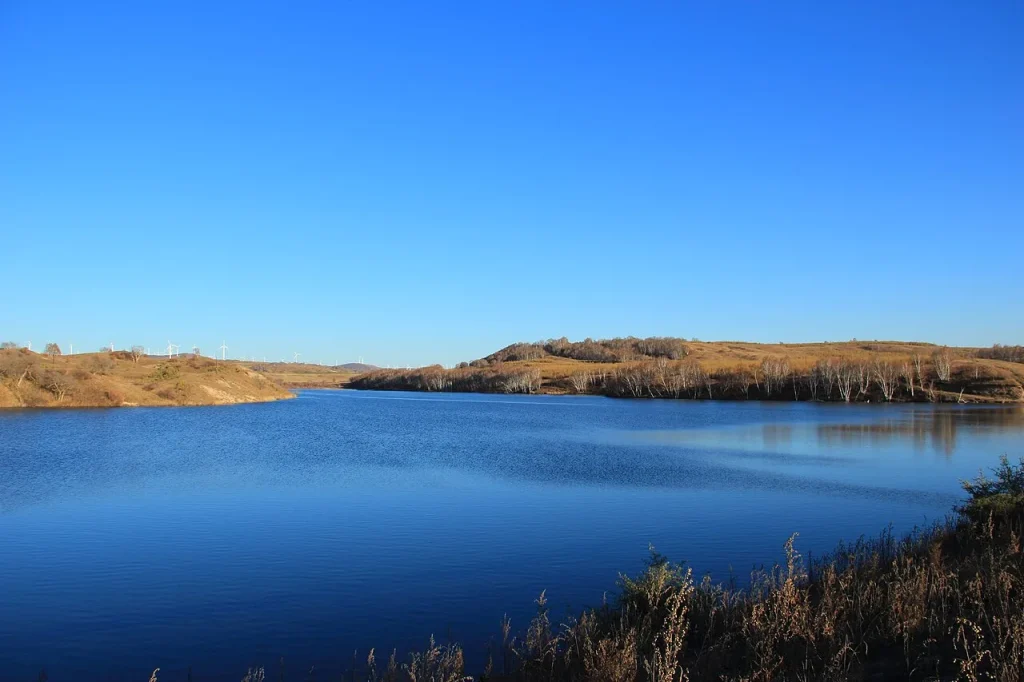
What to prioritize on a two-day visit
- Day one: use the Yudaokou side for broad grassland-and-forest landscapes. Keep the pace slow and choose a sunset area only after checking the day’s access and weather.
- Day two: give Saihanba enough time to feel different from the pastureland. Focus on forest, water, and short permitted walks rather than chasing distant viewpoints.
- At every stop: follow posted routes and keep a safe distance from livestock and wildlife. A quiet roadside view is not an invitation to drive onto grassland.
- Before departure: confirm entrance arrangements, road notices, weather warnings, and any photography restrictions through official local or scenic-area channels.
Photography without damaging the place
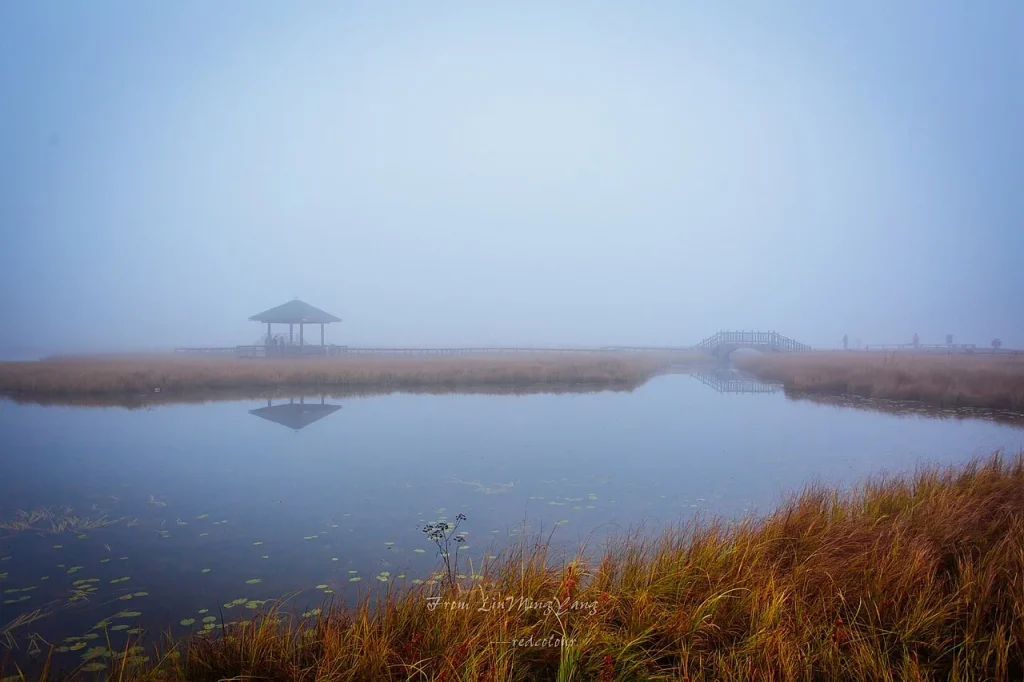
Mulan Paddock rewards patient photography more than staged images. Early and late light can reveal relief in the land; mist and a change in weather can be more interesting than a cloudless midday sky. Stay on hard ground or marked paths, avoid approaching animals, and never use a vehicle to make a fresh track across grassland. If an area is fenced or a sign restricts access, the correct photograph is the one taken from the public route.
Official references and current checks
For destination context, consult the Hebei tourism development plan and the Chengde tourism development plan, both of which identify the Weichang/Saihanba/Yudaokou cluster. The Ministry of Ecology and Environment profile of Weichang provides ecological context. For current local changes, check the Weichang county government update and the latest visitor notices before travelling.
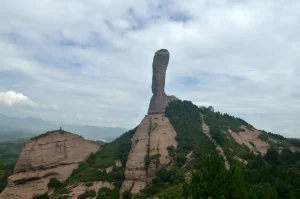
Qingchui Peak Chengde Guide: Hiking, Cable Car and Toad Rock
Plan a visit to Qingchui Peak in Chengde: see the rock pillar and Toad Rock, compare the walking…
Wulingshan National Nature Reserve Guide: Xinglong Forest Trails and Visitor Planning
Plan a Wulingshan visit in Xinglong with forest-and-waterfall context, reserve-minded hiking advice, current-access checks, and practical links for…
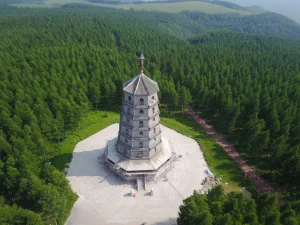
Saihanba National Forest Park Guide: Forests, Lakes and Chengde Grassland Route Tips
Plan Saihanba National Forest Park in Chengde with forest scenery, lakes, Mulan Paddock context, Beijing route choices, seasons,…
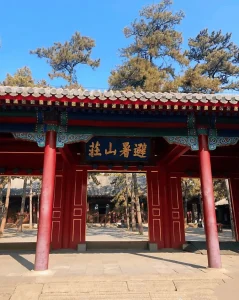
Chengde Mountain Resort Travel Guide: Route, Tickets and Outer Temples
Plan Chengde Mountain Resort with route timing, season, ticket checks, Outer Temple pairing, transport, hotel area, and practical…
Chengde Mountain Resort History: Qing Summer Palace and Outer Temples
Understand Chengde Mountain Resort history, Qing summer palace context, garden layout, Outer Temples, visitor pacing, and how to…
Fengning Bashang Grassland Guide from Beijing: Routes, Seasons and Chengde Weekend Tips
Plan Fengning Bashang Grassland from Beijing with route choices, best seasons, grassland scenery, Chengde links, hotels, weather, and…