
Saihanba National Forest Park Guide: Forests, Lakes and Chengde Grassland Route Tips
Saihanba National Forest Park is one of the strongest nature routes in northern Hebei, especially for travelers who want forest scenery, lake views, highland air, and a deeper Chengde-area trip beyond the Mountain Resort. It is in Weichang Manchu and Mongolian Autonomous County, north of Chengde city, and it usually needs more planning than a simple urban day trip.
The area is often linked with Mulan Paddock, grassland routes, and the modern story of large-scale forest restoration. For foreign visitors, that makes Saihanba useful in two ways: it is a scenic escape from Beijing or Chengde, and it also shows a very different side of Hebei from old cities, temples, and coastal routes. If you are comparing northern Hebei nature trips, read this together with the Fengning Bashang Grassland guide and the Zhangbei Grassland Road guide.
Why Saihanba Is Different from a Normal Park
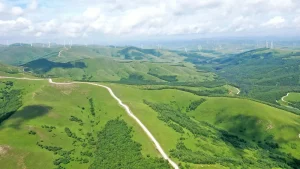
Saihanba is not a compact city park where you enter, walk one loop, and leave in two hours. It is a broad forest-and-grassland destination with viewpoints, lake areas, forest roads, seasonal color, and long distances between places. The best trip feels more like a road-based nature route than a single attraction checklist.
Its best-known modern identity is environmental recovery. International and Chinese official sources have highlighted Saihanba for turning degraded land into a large forested area over decades. That background matters for travelers because the scenery is not only about “pretty lakes”; it is also tied to forestry, restoration, and the changing ecology of northern Hebei.
Best Seasons to Visit Saihanba
Summer is the easiest first visit. The weather is cooler than Beijing, the forest is green, and the long daylight helps with road time. July and August are also busy, so weekday travel and advance hotel planning are better if your dates are flexible.
Early autumn can be excellent for color, clearer air, and quieter roads, but temperatures drop faster than many Beijing travelers expect. Late autumn and winter can be beautiful, yet they require more attention to road conditions, hotel operations, heating, and personal comfort. Do not assume a winter Saihanba trip works like a summer grassland weekend.
- Best first-time season: summer to early autumn.
- Best for color: autumn, depending on weather and leaf timing.
- Best trip length: one night minimum, two nights for a slower route.
- Main planning risk: underestimating distance between Chengde city and Saihanba.
What to See: Forests, Lakes and Open Roads
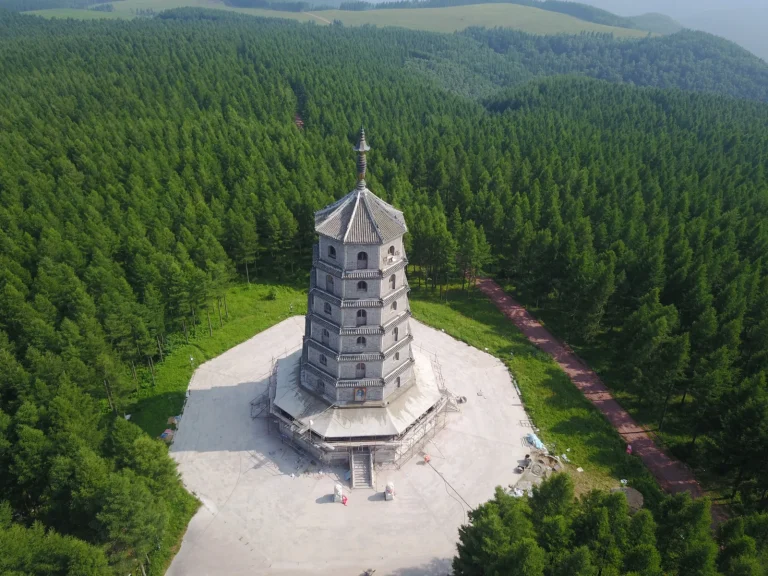
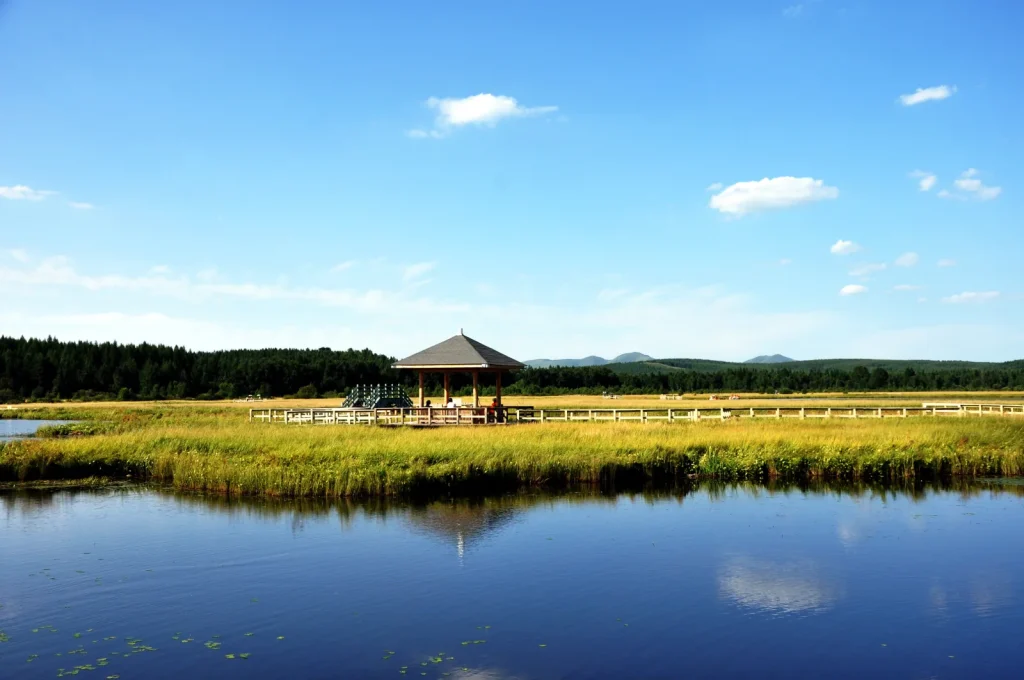
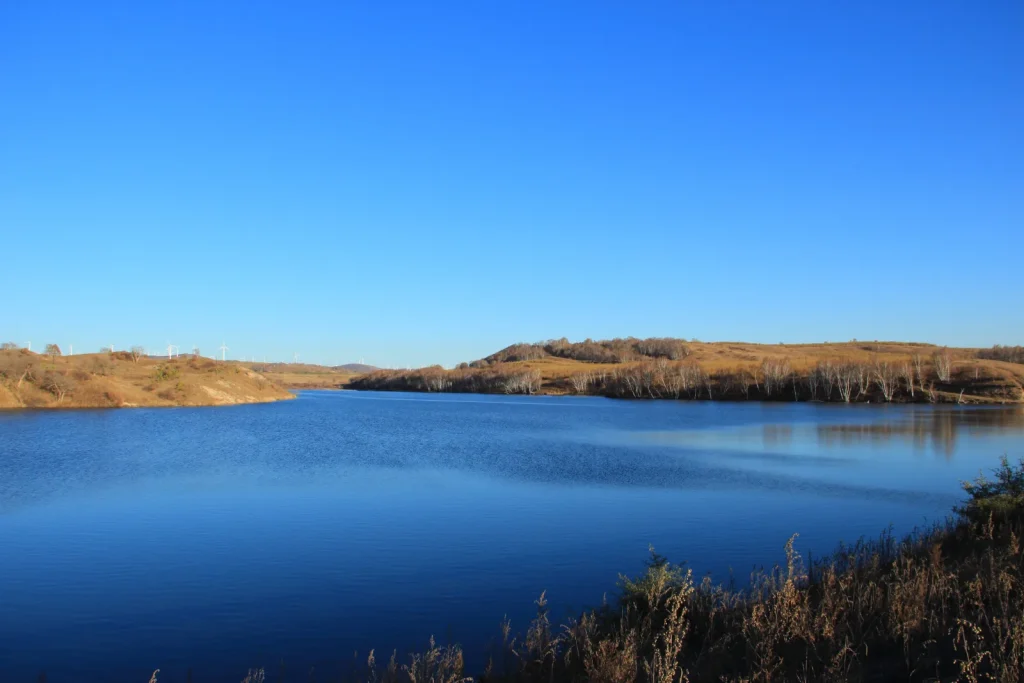
For a first Saihanba visit, focus on a small number of scenic zones instead of trying to see every named stop. Saihan Tower is useful for understanding the forest scale. Lake and wetland areas such as Qixing Lake are good for slower walks and photos. Open-road sections between forest and grassland scenery are often the most memorable part of the trip.
The exact order depends on where you stay and road conditions on the day. A sensible approach is to arrive in the afternoon, use nearby viewpoints before sunset, stay overnight, then visit lake or forest areas the next morning before starting the return journey. This avoids making the best scenery compete with a tired drive.
How to Plan the Route from Beijing or Chengde
From Beijing, Saihanba is best treated as a long road trip or as part of a longer Chengde-area route. High-speed rail can take you from Beijing to Chengde, but it does not remove the need for road transfer to Weichang and Saihanba. If you prefer rail for the first part, use the Beijing to Chengde high-speed train guide, then decide whether a car transfer makes sense for your schedule.
If this is your first Chengde trip, do not automatically combine Saihanba with the Mountain Resort and Outer Temples in the same short weekend. The Beijing to Chengde two-day itinerary is better for imperial history and temple sightseeing. Saihanba is better when your main goal is nature, cooler air, forest roads, and an overnight escape.
Suggested Two-Day Plan
A two-day plan gives you enough time to enjoy Saihanba without turning it into a drive-only trip. Keep the route simple, choose accommodation based on road access, and leave buffer time for weather. On a clear day, even a short stop can become worthwhile; in fog, rain, or wind, you may need to adjust the order.
- Day 1: Travel from Beijing or Chengde, reach Saihanba, check in, then use late afternoon for a nearby forest or viewpoint stop.
- Day 2 morning: Visit a lake or wetland area, then choose one forest-road viewpoint rather than several rushed stops.
- Day 2 afternoon: Return with daylight buffer, especially if driving back toward Beijing.
- Optional extension: Add another night if you want photography, slower walks, or a wider Mulan Paddock route.
Hotels, Weather and Practical Tips
Hotel choice matters because Saihanba is spread out. A hotel that looks acceptable online may still be inconvenient if it adds too much driving to your morning route. Confirm heating or cooling, hot water, meals, road access, parking, and check-in rules before arrival. The broader Hebei hotel guide for foreign tourists is useful when deciding whether to stay in Chengde city first or go directly toward the park area.
Pack layers even in summer. The altitude and open landscape can make mornings and evenings cooler than Beijing. Bring water, sun protection, comfortable shoes, offline maps, and enough battery for navigation. If you are not comfortable driving mountain or rural roads in China, use a reliable local driver rather than trying to improvise the route.
Who Should Choose Saihanba?
Choose Saihanba if you want a Chengde-area nature route with forests, lakes, and highland scenery. Choose Fengning Bashang if your priority is a Beijing weekend grassland escape. Choose central Chengde if you mainly want Qing imperial history and temples. All three are strong Hebei routes, but each solves a different travel problem.
The best Saihanba trip is slow enough to respect distance and weather. When planned well, it gives foreign travelers a clearer picture of northern Hebei than a city-only itinerary can provide.
Reference Checks Before You Go
Before booking, verify road, hotel, and scenic-area details close to your travel date. For background on Saihanba’s restoration story, see the UNEP profile of the Saihanba Afforestation Community and Xinhua’s report on Saihanba. Image source files are from Wikimedia Commons Saihanba.
Qingchui Peak Chengde Guide: Hiking, Cable Car and Toad Rock
Plan a visit to Qingchui Peak in Chengde: see the rock pillar and Toad Rock, compare the walking…
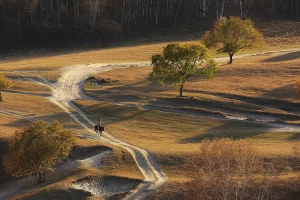
Mulan Paddock Weichang Guide: Grasslands, Yudaokou and Saihanba Route
Plan a thoughtful Mulan Paddock trip in Weichang: grassland and forest landscapes, Yudaokou and Saihanba route logic, seasonal…
Wulingshan National Nature Reserve Guide: Xinglong Forest Trails and Visitor Planning
Plan a Wulingshan visit in Xinglong with forest-and-waterfall context, reserve-minded hiking advice, current-access checks, and practical links for…
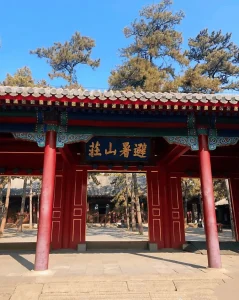
Chengde Mountain Resort Travel Guide: Route, Tickets and Outer Temples
Plan Chengde Mountain Resort with route timing, season, ticket checks, Outer Temple pairing, transport, hotel area, and practical…
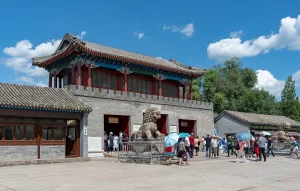
Chengde Mountain Resort History: Qing Summer Palace and Outer Temples
Understand Chengde Mountain Resort history, Qing summer palace context, garden layout, Outer Temples, visitor pacing, and how to…
Fengning Bashang Grassland Guide from Beijing: Routes, Seasons and Chengde Weekend Tips
Plan Fengning Bashang Grassland from Beijing with route choices, best seasons, grassland scenery, Chengde links, hotels, weather, and…