
Eastern Qing Tombs Guide: Zunhua Imperial Tombs, Sacred Way and Beijing Route Tips
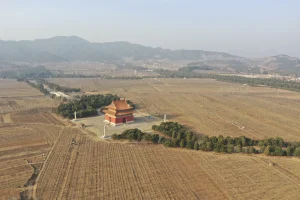
Eastern Qing Tombs, often called Qing Dongling, is the most important imperial heritage site in Zunhua, Tangshan. It is not a simple “one tomb and leave” stop. The site is a large Qing dynasty burial landscape with gates, spirit ways, stele pavilions, mausoleum compounds, mountain views, and long walking distances between key areas.
This guide is for travelers who want a practical day plan from Beijing, Tangshan, or a wider Hebei route. If you only need a broader day-trip frame, compare it with the Zunhua Eastern Qing Tombs day trip guide. If you are deciding between Qing tomb routes near Beijing, also compare the Western Qing Tombs route near Baoding.
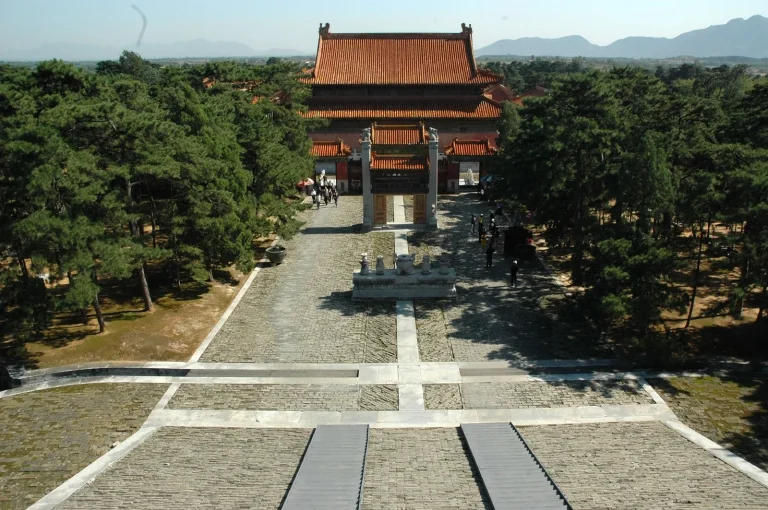
Why Eastern Qing Tombs Matter
UNESCO lists the Eastern Qing Tombs as part of the Imperial Tombs of the Ming and Qing Dynasties World Heritage property. The reason is not only the age of the tombs. The site shows how imperial mausoleums combined architecture, ceremonial approach roads, mountain-water landscape ideas, and Qing political symbolism into one planned burial environment.
For a first-time visitor, this changes how you should travel. Do not treat Eastern Qing Tombs as a quick roadside attraction between Beijing and Tangshan. The value is in the sequence: entering through the larger landscape, following the sacred approach, reading the stele and gate logic, then choosing which tomb compounds deserve your limited time.
Where It Is and Who Should Visit
Eastern Qing Tombs is in Zunhua, a county-level city under Tangshan in eastern Hebei. It is most realistic for visitors who already have a strong interest in Qing history, imperial architecture, Chinese world heritage sites, or day trips beyond Beijing’s city attractions. It also works well for repeat Beijing travelers who have already seen the Forbidden City, Temple of Heaven, and the Ming Tombs.
If your Hebei plan includes Tangshan, use the tombs as a serious heritage day before or after easier urban stops such as Tangshan Nanhu Park. If you are coming from Beijing, read transport timing carefully and do not assume every train or intercity transfer leaves you near the tomb entrance.
What to Prioritize Inside the Tomb Area
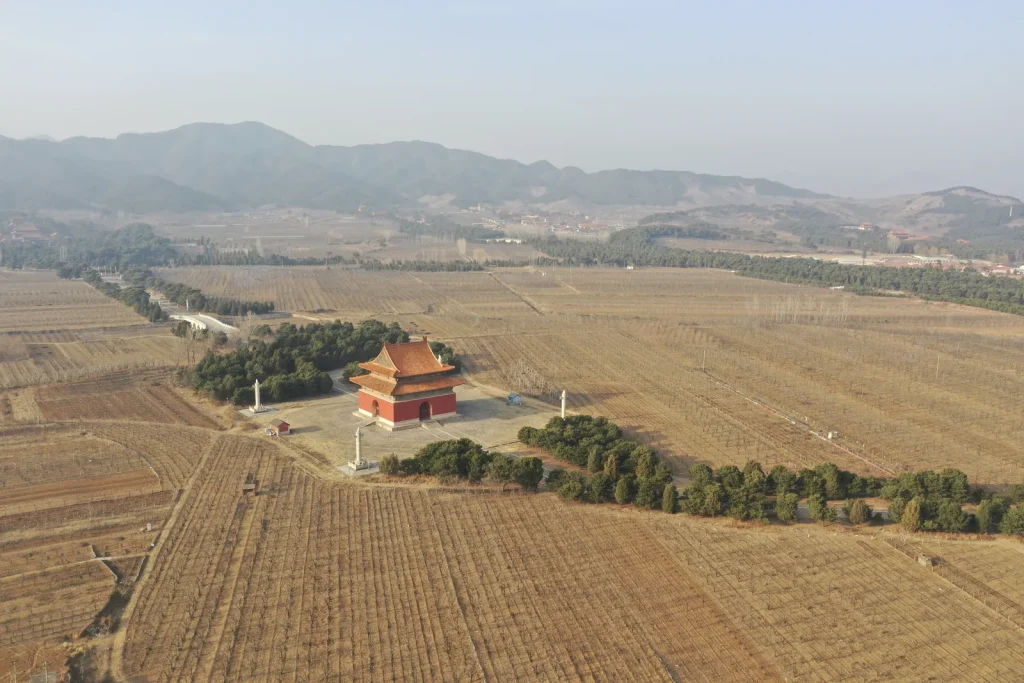
The tomb area is large, so the best visit is selective. Most travelers should prioritize the ceremonial landscape first, then one or two major tomb compounds, rather than trying to “collect” every name on the map.
- The Sacred Way and entrance sequence: this is the best way to understand the site as an imperial landscape rather than isolated buildings.
- Dabeilou and major stele structures: these help explain official memory, imperial legitimacy, and the formal language of Qing mausoleum architecture.
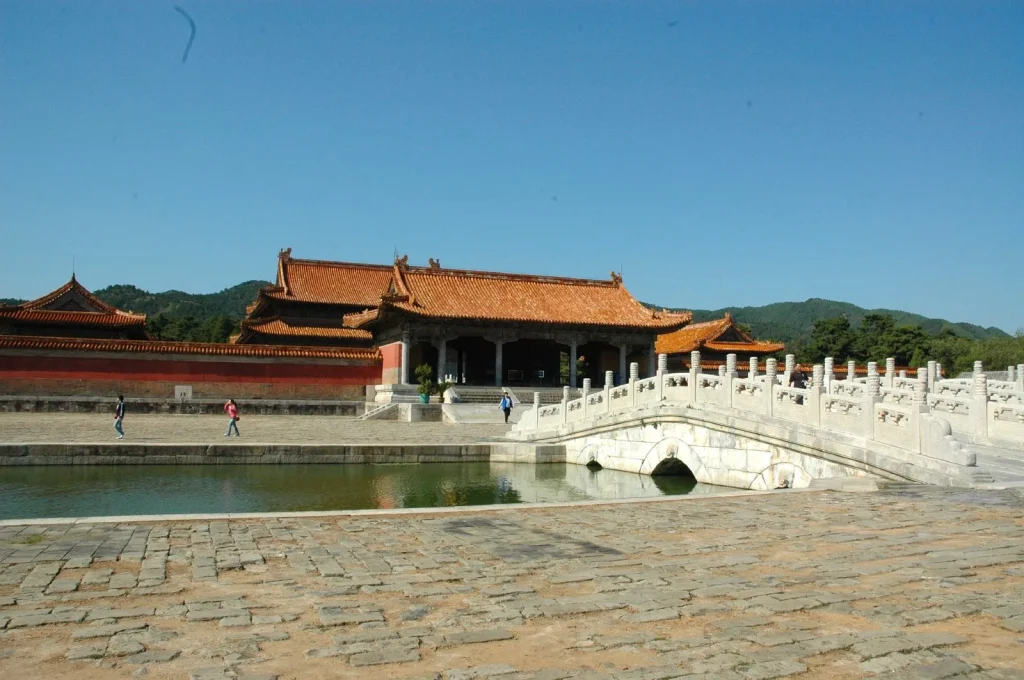
- Yuling-related areas: often associated with the Qianlong Emperor, useful for understanding high Qing imperial ambition and tomb artistry.
- Dingdongling and Cixi-related context: useful if you are interested in late Qing history, but it should be framed carefully as part of a broader historical site, not only as celebrity history.
How Long to Spend
- 2 hours: too short for most international travelers; only suitable if you are passing nearby and accept a surface-level visit.
- 3 to 4 hours: a practical minimum for the main approach, one major tomb area, photos, and short breaks.
- 5 hours or more: better for travelers who read history panels, compare architecture, and want a less rushed route between areas.
Because the site is spread out, the limiting factor is not only opening hours. It is transfer time inside and around Zunhua, weather, walking comfort, and how much historical context you want to absorb. In hot summer or windy winter, a slower route is usually better than forcing too many stops.
Beijing to Eastern Qing Tombs Route Logic
For most foreign travelers, Eastern Qing Tombs is easier by private car, hired car, or a carefully arranged local transfer than by a simple rail-only plan. Trains can help you move between Beijing and Tangshan or other nearby cities, but the tombs themselves are not a city-center station attraction. Check live transport before departure, especially if you are trying to return to Beijing the same evening.
If you are building the route through Tangshan, start with the Beijing to Tangshan train guide, then decide whether Zunhua is a same-day side trip or a separate heritage day. For broader transport decisions, the Beijing to Hebei travel guide is useful because many Hebei attractions need a last-mile transfer even when the main intercity train is fast.
Best Route for a First Visit
A balanced first visit should start with the main ceremonial approach, then focus on one emperor-related area and one late-Qing or architectural highlight. This gives you a readable story: landscape planning, imperial authority, tomb architecture, and later Qing memory.
- Arrive early enough to avoid turning the day into a rushed afternoon stop.
- Begin with the entrance sequence, Sacred Way, and major stele structures.
- Choose one main tomb compound where you spend real time instead of only taking exterior photos.
- Add a second focused stop if weather, walking distance, and closing time still allow it.
- Leave buffer time for the transfer back to Tangshan, Beijing, or your next Hebei base.
Eastern Qing Tombs vs Western Qing Tombs
Many travelers near Beijing ask whether they should visit Eastern Qing Tombs or Western Qing Tombs. The answer depends on route geography and interest. Eastern Qing Tombs works naturally with Tangshan, Zunhua, and northeastern Hebei. Western Qing Tombs works better with Baoding, Yi County, and some central Hebei routes. If your goal is a deep Qing tomb comparison, they can form a two-part theme across different Hebei trips, but they should not usually be forced into one rushed day.
For a first-time Hebei heritage route, pair Eastern Qing Tombs with one other major imperial or old-city context, not with every famous site in the province. Chengde, for example, is a powerful Qing-era comparison, but the Chengde Mountain Resort deserves its own trip plan rather than being treated as a quick add-on.
Practical Visitor Tips
- Check official opening hours, ticket rules, and any temporary closures before travel, especially around Chinese public holidays.
- Bring your passport if tickets or real-name checks require identity verification.
- Wear comfortable shoes; the experience includes courtyards, paved approaches, and spread-out stops.
- Carry water in hot months, but avoid planning the day as if summer walking conditions are the same as spring or autumn.
- Do not rely only on English signage. Save key Chinese names such as Qing Dongling, Zunhua, Yuling, Dingdongling, and Shenlu for map and driver communication.
- If you use a hired car, agree clearly whether waiting time, parking, tolls, and the return route are included.
How to Fit It Into a Hebei Itinerary
Eastern Qing Tombs is a strong fit for travelers who want more than the standard Beijing loop. It can anchor a Tangshan-Zunhua heritage day, extend a Beijing-based Qing history theme, or become one stop in a slower Hebei plan that also compares Chengde, Baoding, Zhengding, and Qinhuangdao. For a broader shortlist, use the must-see attractions in Hebei guide to decide whether your trip should lean toward imperial heritage, old towns, coast, mountains, or food.
The main planning mistake is trying to make the tombs a casual extra after a city morning. If you choose Eastern Qing Tombs, give it the respect of a real heritage day. That is when Zunhua becomes more than a dot on the map and the Qing imperial landscape starts to make sense.
References and Image Sources
Tangshan Earthquake Memorial Park Guide: Museum, Memorial Wall and 1976 Ruins
Visit Tangshan Earthquake Memorial Park with context: the memorial wall, preserved industrial ruins, the 2026 museum reopening and…
Kailuan National Mine Park Guide: Tangshan Industrial Heritage and Underground Visits
Plan a Kailuan National Mine Park visit in Tangshan with industrial-heritage context, underground-route expectations, current-access checks, and links…
Luanzhou Ancient City Tangshan Guide: Canal Streets, Night Walks and Route Tips
Plan Luanzhou Ancient City in Tangshan with canal-street views, reconstructed old-town context, night-walk ideas, Beijing route logic, and…
Zunhua Eastern Qing Tombs Day Trip from Beijing or Tangshan
Plan a Zunhua Eastern Qing Tombs day trip from Beijing, Tangshan or Chengde with route timing, imperial tomb…
Tangshan Nanhu Park Guide: Lake Walks, Urban Renewal and Beijing Train Tips
Plan Tangshan Nanhu Park with lake walks, urban renewal context, Beijing train links, best timing, city pairings, hotels,…

Beijing to Tangshan Train Guide: Stations, Tickets and Day Trip Planning
Plan a Beijing to Tangshan train trip with station checks, ticket tips, Tangshan day-trip ideas, Nanhu Park, the…