
Chengde Puning Temple and Putuo Zongcheng Temple Guide
Chengde’s Outer Temples are easy to under-plan because many travelers focus only on the Mountain Resort. That misses the point of Chengde. The city works best when the imperial summer residence and the surrounding temple landscape are read together. Puning Temple and Putuo Zongcheng Temple are the two temple stops most useful for a first serious Chengde temple day.
This guide expands the brief Outer Temples references in the Chengde trip planner and the Mountain Resort guide. It is meant for travelers who already know Chengde is worth visiting and now need a practical temple route.
Quick Planning Snapshot
- Best for: Qing dynasty frontier history, Tibetan Buddhist architecture, temple photography, and deeper Chengde heritage.
- Best base: Chengde city, preferably with at least one overnight stay.
- Time needed: one focused temple day, or a half day if you choose only one temple.
- Before going: verify tickets, opening hours, combined-ticket rules, shuttle/taxi timing, and whether halls are under maintenance.
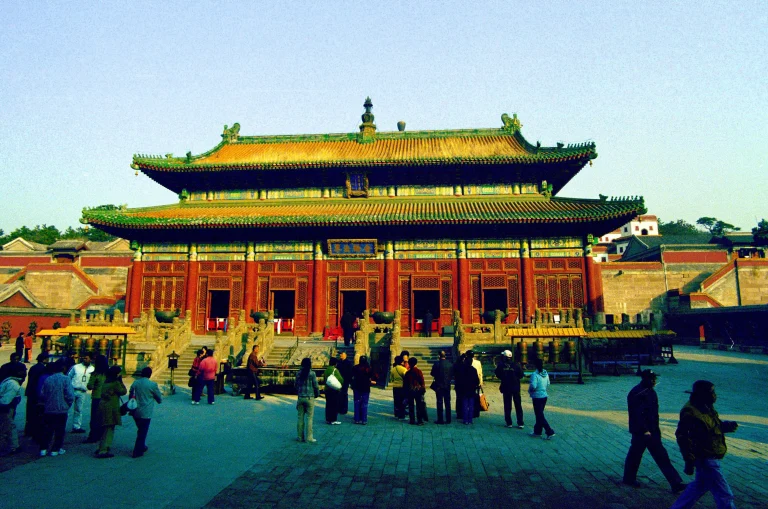
Puning Temple
Puning Temple is often the best first temple stop because it is substantial, visually clear, and easier to understand as a living Buddhist and imperial-era site than a small isolated building. Give it time. The value is not only the main hall or a single famous image; it is the progression of courtyards, scale, religious function, and the way Chengde connected imperial power with Tibetan Buddhist forms.
Foreign travelers should dress and behave as they would at an active religious site: keep voices low, follow photo restrictions, and do not assume every interior can be photographed. Use a translation app for signs, but read before entering rather than blocking narrow routes.
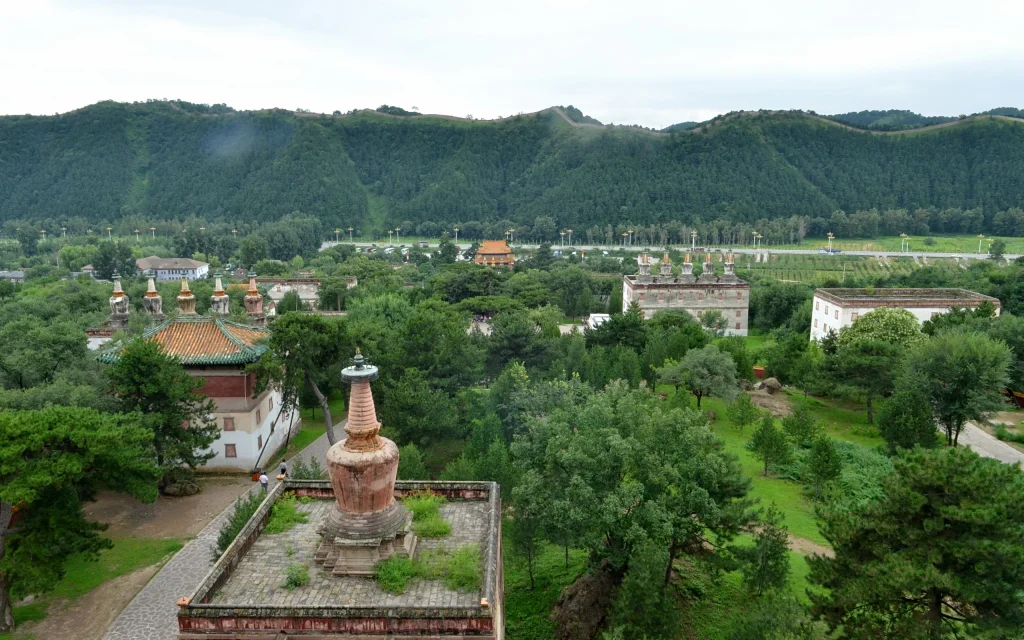
Putuo Zongcheng Temple
Putuo Zongcheng Temple is the temple that makes many visitors understand Chengde’s scale. It is not just another stop after the Mountain Resort; it is a statement of architecture, politics, and religious symbolism. The hillside setting, massing, and palace-like forms make it especially useful for photography and for explaining why Chengde became a World Heritage city.
Suggested Temple Day
- Morning: visit Puning Temple first while energy is high and crowds are lighter.
- Midday: eat near the route rather than returning across town.
- Afternoon: visit Putuo Zongcheng Temple, allowing time for stairs, viewpoints, and exterior photography.
- Evening: return to the city center or pair the next day with the Mountain Resort.
How It Fits with the Mountain Resort
If you only have one day in Chengde, the Mountain Resort usually comes first. If you have two days, make the second day an Outer Temples day. Trying to combine the full resort and both temples in one day is possible only as a surface visit and is not ideal for content depth or real travel value. The better route is slower: one day for the resort, one day for Puning and Putuo Zongcheng.
Which Temple First?
Start with Puning Temple if you want a more direct temple experience and clearer ritual sequence. Start with Putuo Zongcheng Temple if your priority is exterior architecture, hillside scale, and photography. Most first-time visitors should put Puning first, because it gives the day a more grounded religious and historical context before the more monumental visual impact of Putuo Zongcheng.
Do not treat the Outer Temples as a simple add-on after a rushed Mountain Resort morning. The temples are not interchangeable buildings. They express how Qing imperial power worked with Tibetan Buddhist forms, frontier diplomacy, and symbolic architecture. That is exactly why Chengde is stronger than a normal old-city destination: the resort and temple landscape explain each other.
Practical Visitor Notes
Use taxis or confirmed local transport between temple areas; do not assume everything is an easy walk from the Mountain Resort gate. Carry your passport, check whether combined tickets are still available, and confirm same-day opening before setting out. In winter, shorter daylight can make a two-temple day feel tighter. In summer, heat and stairs make pacing important.
For foreign travelers, the main challenge is interpretation. Read basic Qing and Tibetan Buddhist context before you go, then use the site to understand scale, placement, and imperial messaging. The content should avoid claiming certainty about current ticket packages or hall access, because those details change; it should instead teach travelers what to prioritize and what to verify before arrival.
References and Current Checks
Before traveling, verify current temple access through official Chengde or scenic-area channels and use UNESCO’s Mountain Resort and its Outlying Temples page for heritage context. Image licenses can be checked on Wikimedia Commons for Puning Temple and Putuo Zongcheng Temple.
Pule Temple Chengde Guide: Xuguang Pavilion, Terrace Views and Visit Planning
Explore Pule Temple in Chengde through its circular Xuguang Pavilion, painted ceiling and hillside terraces, with a practical…
Xumi Fushou Temple Chengde Guide: Great Red Terrace, Panchen Lama History and Respectful Visits
Plan a thoughtful Xumi Fushou Temple visit in Chengde: Great Red Terrace architecture, historical context, nearby Outer Temples,…
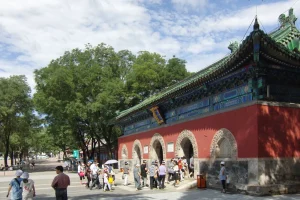
Puning Temple Chengde Guide: Big Buddha Temple, Guanyin Statue and Outer Temple Route
Plan Puning Temple in Chengde with Big Buddha Temple context, the giant wooden Guanyin statue, route timing, transport,…
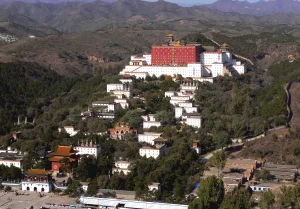
Putuo Zongcheng Temple Chengde Guide: Little Potala Palace, Route and Visitor Tips
Plan Putuo Zongcheng Temple in Chengde with Little Potala Palace context, route timing, photo viewpoints, outer temple links,…
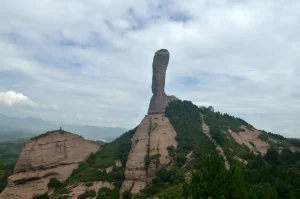
Qingchui Peak Chengde Guide: Hiking, Cable Car and Toad Rock
Plan a visit to Qingchui Peak in Chengde: see the rock pillar and Toad Rock, compare the walking…
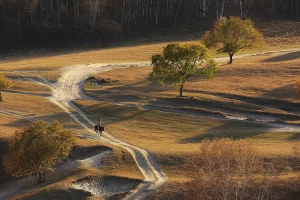
Mulan Paddock Weichang Guide: Grasslands, Yudaokou and Saihanba Route
Plan a thoughtful Mulan Paddock trip in Weichang: grassland and forest landscapes, Yudaokou and Saihanba route logic, seasonal…