
Xingtai Grand Canyon Guide: Taihang Sandstone Cliffs, Trail Pacing and Visitor Planning
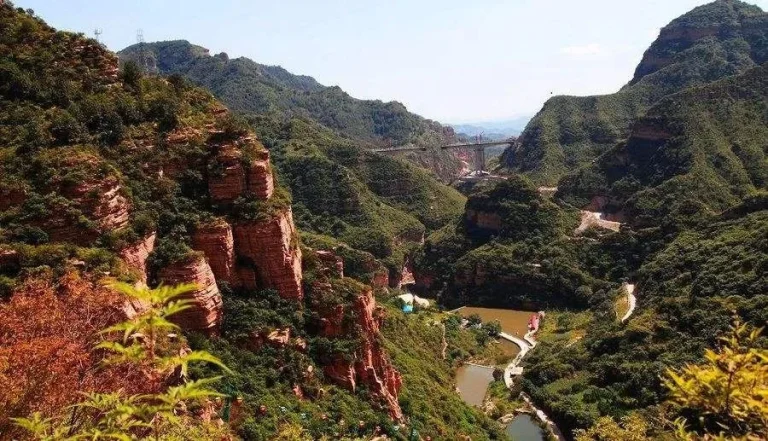
Xingtai Grand Canyon, also known as the Xingtai Gorge Group or Taihang Qixia, is a canyon landscape in the western mountains of Xingtai. The reason to come is not to collect one landmark, but to move through a landscape of red and grey sandstone walls, narrow passages, water-worn rock, forest cover, and changing light. It is a stronger choice for travelers who want a true mountain day than for visitors trying to squeeze one more attraction into a city itinerary.
The scale is easy to underestimate from a map. The visitor experience depends on the route currently open, the weather, and how slowly you are willing to walk on uneven ground. Plan the canyon as its own day, keep your footwear and return transport practical, and confirm operating details immediately before travelling rather than relying on an older timetable or ticket price.
What makes the Xingtai Gorge Group distinctive
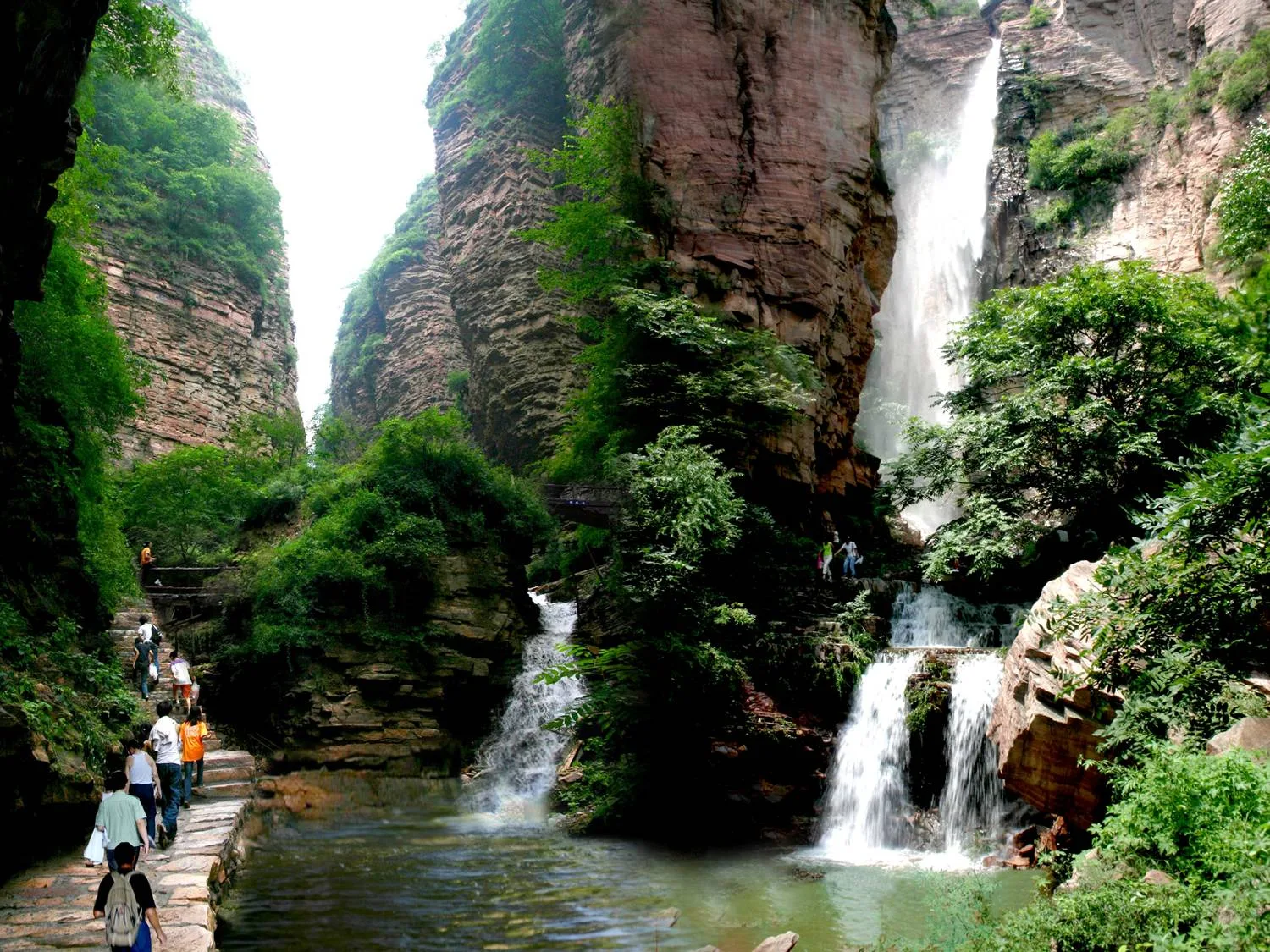
This is a canyon group rather than a single slot canyon. Provincial and local tourism descriptions identify a network of 24 gorges, with high sandstone walls, streams, waterfalls, and secondary forest forming the character of the wider scenic area. Longzui Gorge, Liushui Gorge, Huangchao Gorge, Zhuhui Gorge, and Laoren Gorge are names often used in descriptions of the visitor area, but do not treat an old list as a promise that every section will be open or connected on your day.
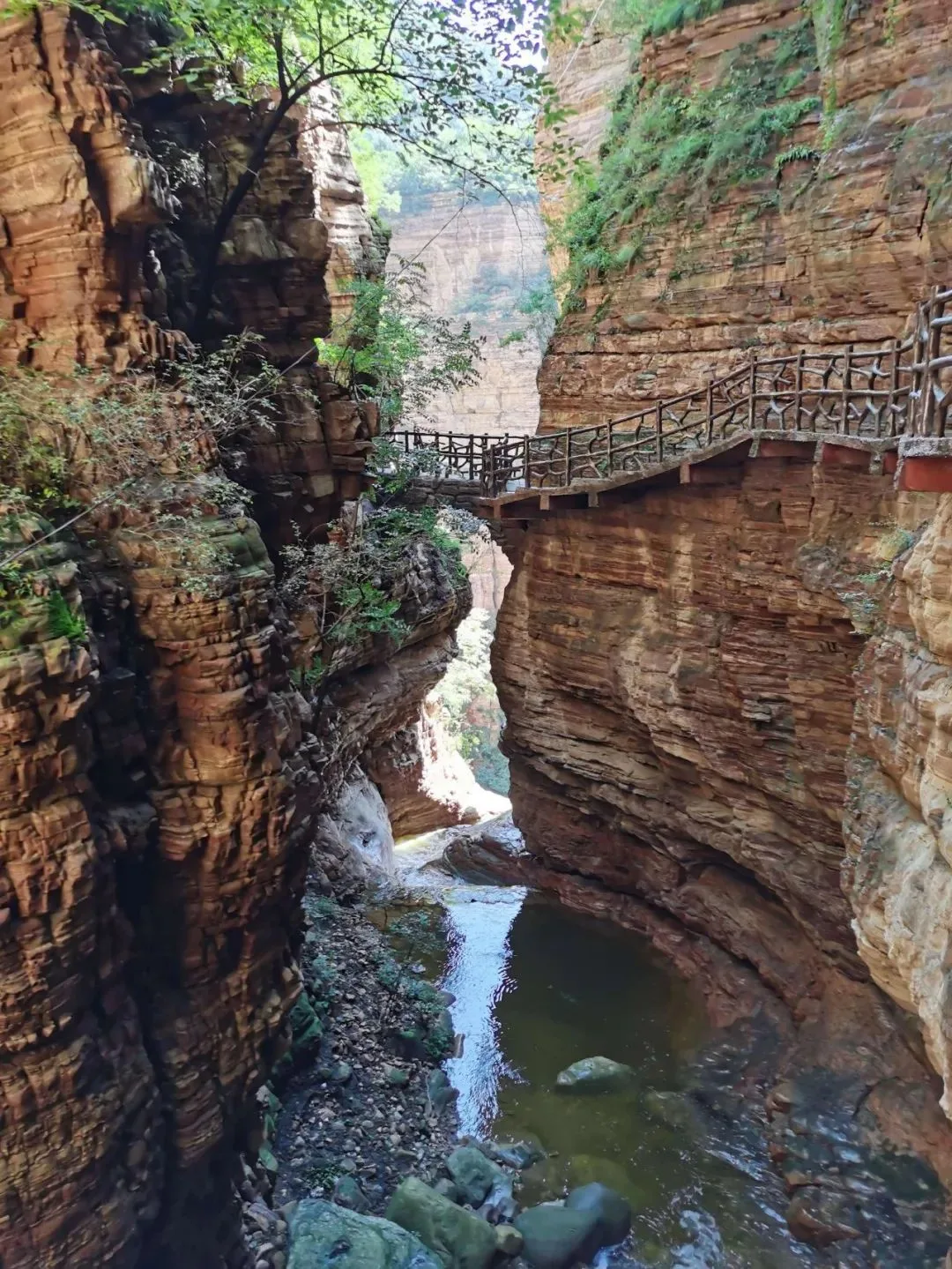
The geology is part of the visit. The walls are associated with quartz sandstone and the wider Zhangshiyan landform of the Taihang region. Layered rock, joints, water erosion, and changes in slope explain why one section can feel open and bright while another becomes shaded, narrow, and cool. That contrast is the visual reward; it also means the ground may be wet, slippery, or slower than it looks in a promotional photo.
Plan the walking day, not a rushed checklist
Start with a current-access check
Before leaving Xingtai, confirm the entrance in use, admission arrangements, shuttle operation if any, weather warnings, and the latest return options. Canyon routes can be adjusted for heavy rain, maintenance, fire-prevention measures, or crowd management. In particular, do not head into a narrow valley during unstable weather or assume a route described by a blog is still available.
Leave enough daylight
A four-hour visit is a reasonable planning baseline only if access, transport, and the chosen route are straightforward. Add time for the drive from the city, ticketing, pauses at viewpoints, and a conservative walk back. The official regional descriptions emphasize the canyon system rather than a quick lookout, so the best pace is one that lets you enjoy the rock formations without turning the last part of the day into a race for a ride home.
Wear shoes for wet stone
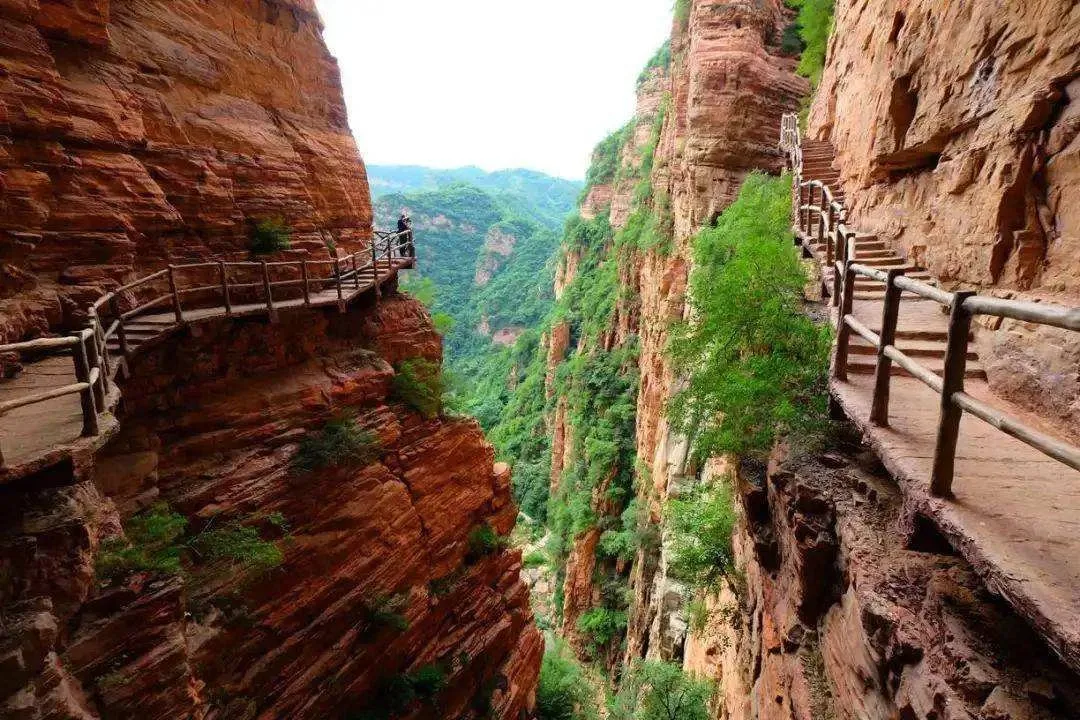
Use closed shoes with a reliable tread, not smooth-soled casual footwear. Carry water, a light rain layer, sun protection for open sections, and a small amount of food. Keep both hands free where railings, steps, or uneven rock require balance. Do not climb beyond signed routes for a photo, and avoid entering watercourses or closed sections.
Getting there from Xingtai and Beijing
The canyon lies west of the urban area near Hejiaping Village in Luluo Town, Xindu District. It is a mountain transfer, not a walkable extension of Xingtai railway stations. A private car, driver, or verified local transport plan is usually the least stressful choice, especially if you need to leave before dusk. Confirm the exact meeting point and return pickup before you begin the route.
For travelers starting from the capital, begin with the Beijing to Xingtai high-speed train guide, then allow a separate local transfer and a full day for the canyon. Do not schedule a same-day Beijing return unless you have checked the last practical connection and have a reliable way back to the station. A city-based first day can be better served by the Xingtai one-day itinerary, leaving the canyon for the following morning.
How it fits a wider Xingtai trip
Xingtai Grand Canyon pairs well with another nature-focused stop only when you have more than one day and separate transport. The Kongshan Baiyun Cave guide is a useful contrast: it is a karst cave experience, while the canyon is about open-air sandstone walls and valley walking. They are different landscapes, not two short stops to force into one day.
For a simple two-day rhythm, use one day for the canyon and another for Xingtai city or the cave area. This reduces pressure on transport, lets the weather influence the mountain day, and makes room for the local food and old-city elements that otherwise get lost in a rushed mountain schedule.
When Xingtai Grand Canyon is the right choice
Choose Xingtai Grand Canyon when you want a full outdoor day, enjoy changing rock-and-valley scenery, and are comfortable adapting to mountain conditions. It is less suitable for travelers who have only a few hours in Xingtai, cannot confirm a reliable return transfer, or expect an all-weather urban attraction. With a current check, enough daylight, and a modest walking plan, the Taihang sandstone landscape offers one of the most distinctive natural experiences in southern Hebei.
Official references and current checks
For destination background and the canyon-group geography, see the Hebei Department of Culture and Tourism overview. The Great Wall Network Xingtai feature documents the location and canyon landscape. Both are useful background sources, but check the attraction’s current official visitor notice for opening arrangements, route availability, weather restrictions, and transport before travel.
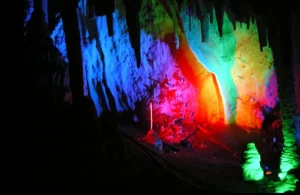
Kongshan Baiyun Cave Xingtai Guide: Lincheng Karst Cave, Route and Visitor Tips
Plan Kongshan Baiyun Cave in Lincheng, Xingtai, with karst cave highlights, 17C cave temperature notes, route logic, timing,…
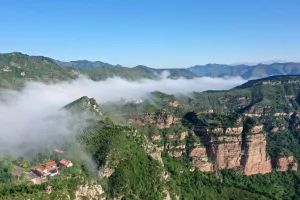
Beijing to Xingtai High-Speed Train Guide: East Station, Old City and Taihang Mountain Tips
Use this Beijing to Xingtai high-speed train guide to plan Xingtai East Station arrivals, city-center transfers, old-city stops,…
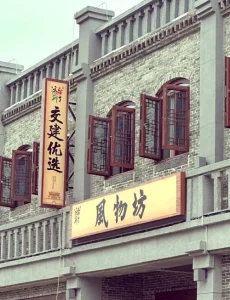
Xingtai One-Day Itinerary: Old Streets, Local Food and City Stops
Plan a realistic Xingtai one-day itinerary with a compact city walk, local food, afternoon stop, transport logic, and…
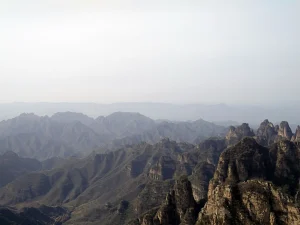
Langya Mountain Yixian Guide: Hiking, Cable Car and Memorials
Plan a respectful Langya Mountain visit in Yixian with Taihang views, hiking and cable-car choices, Five Heroes memorials,…
Qingchui Peak Chengde Guide: Hiking, Cable Car and Toad Rock
Plan a visit to Qingchui Peak in Chengde: see the rock pillar and Toad Rock, compare the walking…
Mulan Paddock Weichang Guide: Grasslands, Yudaokou and Saihanba Route
Plan a thoughtful Mulan Paddock trip in Weichang: grassland and forest landscapes, Yudaokou and Saihanba route logic, seasonal…