
Kongshan Baiyun Cave Xingtai Guide: Lincheng Karst Cave, Route and Visitor Tips
Kongshan Baiyun Cave is one of the better Xingtai topics for travelers who want a specific nature stop rather than another old-city walk. The cave is in Lincheng County, not central Xingtai, and official tourism sources describe it as a rare karst cave landscape in northern China. For an English itinerary, the useful search terms are Kongshan Baiyun Cave, Baiyun Cave Lincheng, Xingtai cave, and 崆山白云洞.
This is not a major international-name attraction like Chengde Mountain Resort or Shanhaiguan. Its value is more practical: it gives Xingtai a natural indoor sight, works in hot or rainy weather better than an exposed mountain route, and adds a different geology-focused stop to a southern Hebei trip.
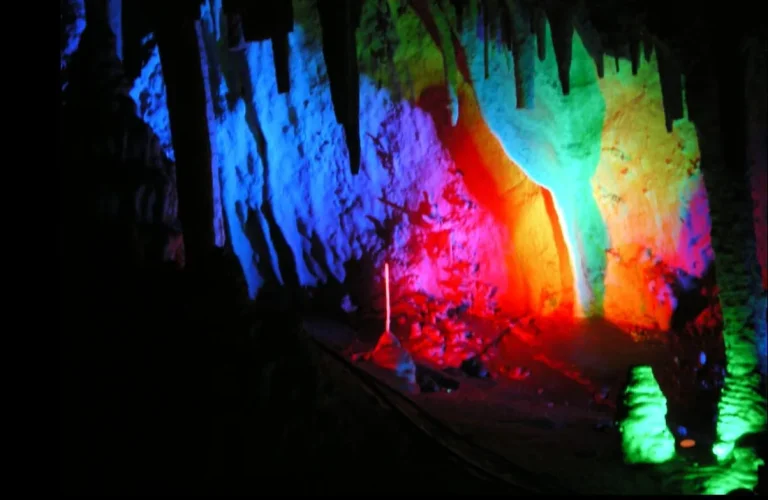
Why Kongshan Baiyun Cave Matters
Hebei tourism information places Kongshan Baiyun Cave in Lincheng County, about 56 kilometers from Xingtai and about 86 kilometers from Shijiazhuang. The cave is described as a national key scenic area, national geopark, and national 4A-level scenic area. Official sources also state that the cave formed in the Middle Cambrian period and keeps a roughly 17C temperature inside.
The most useful way to understand it is as a compact karst cave visit with several themed chambers. Government and tourism pages describe five main halls often translated by theme as human world, heaven, underworld, dragon palace, and maze. The names are scenic and theatrical, but they help visitors remember that each section has a different visual rhythm.
- Best for: cave formations, geology, indoor scenery, family travel, and a weather-flexible Xingtai side trip.
- Less ideal for: travelers who dislike stairs, dim spaces, wet ground, or colored scenic lighting.
- Good season: summer and warm months are comfortable because the cave stays cool.
- Planning warning: it is outside the city, so transfer time matters more than the cave walk itself.
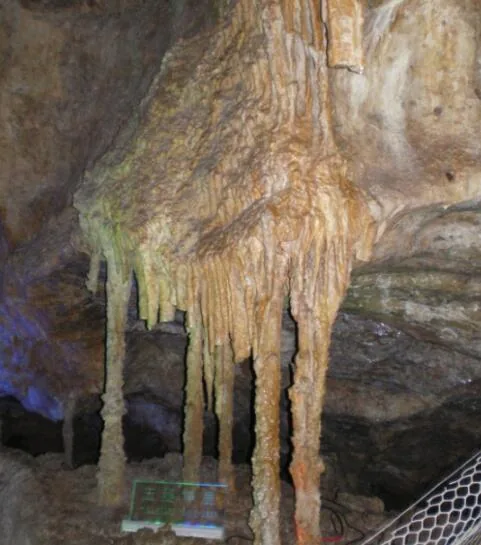
What to See Inside the Cave
The appeal is not one single landmark. It is the sequence of stone forms: stalactites, stalagmites, stone curtains, stone pillars, stone flowers, and shaped deposits that official pages describe through named scenic features. Some areas use strong colored lighting, so photographs may look more dramatic than the natural rock color. That is normal for many Chinese cave scenic areas.
The cave halls
Rather than rushing to the end, treat the route as a series of chambers. Bigger halls help you understand scale; smaller passages are better for close details. If you only take wide photos, you miss much of the cave’s texture.
Stone curtains and pillar forms
Look for hanging curtains, pillar-like deposits, and places where water has left layered mineral forms. These are the formations that make the cave more than a short novelty stop.
Lighting and photography
Use the lighting as part of the atmosphere, but do not assume every photo shows natural color. A steady hand matters more than flash. Follow any posted photography rules, especially in narrow or wet areas.
How to Plan the Route
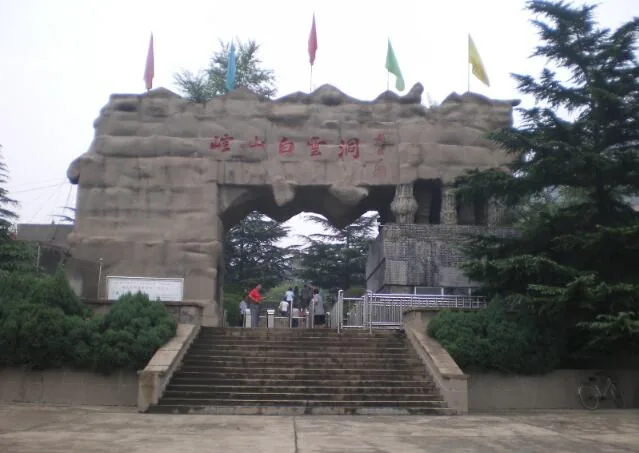
If you are starting in Beijing, use the Beijing to Xingtai train guide first and decide whether Xingtai city or Shijiazhuang makes a better base. Kongshan Baiyun Cave is closer to the Shijiazhuang-Xingtai corridor than to some western Taihang mountain routes, but it is still a county transfer, not a downtown attraction.
For a simple first visit, build the day around one main cave stop instead of trying to add too many distant sights. If you want a city-based plan, compare it with the Xingtai one-day itinerary. If you are already exploring south of Shijiazhuang, the Zhaoxian day trip from Shijiazhuang and Cangyan Mountain day trip show how nearby county trips can work with different travel styles.
| Route choice | How it works | Best for |
|---|---|---|
| From Xingtai | Use the city as the transport base, then go to Lincheng | Travelers already staying in Xingtai |
| From Shijiazhuang | Possible as a county day trip if transfer timing is clear | Visitors based in the provincial capital |
| From Beijing | Use high-speed rail first, then local transfer | Longer weekend planners, not a rushed short day |
| With Taihang routes | Pair only when distances are realistic | Travelers building a southern Hebei nature itinerary |
Practical Visitor Tips
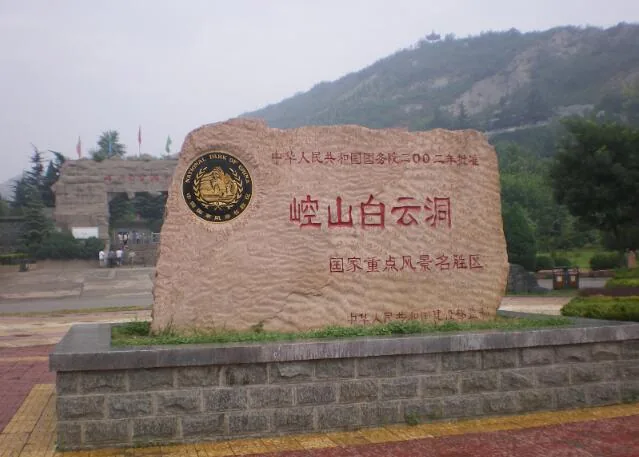
- Use the Chinese name 崆山白云洞 in map apps. English transliteration varies, and some apps may not index the English name well.
- Bring a light layer. Official sources describe the cave as about 17C, so it can feel cool after hot outdoor weather.
- Wear shoes with grip. Cave routes can be damp, uneven, and stair-heavy.
- Avoid a tight last-train plan. County transfers can take longer than expected, especially if you rely on taxis or local buses.
- Check current opening and ticket details before leaving. Cave scenic areas can adjust access for maintenance, weather, or crowd control.
- Do not overpack the same day. A cave visit rewards slow looking, not a checklist pace.
How It Compares with Other Hebei Nature Stops
Kongshan Baiyun Cave is different from Hebei’s mountain and grassland routes. Zhangbei and Fengning are about open landscapes; Yesanpo is about canyons and outdoor scenery; Cangyan Mountain is about cliff temples and hiking. Kongshan Baiyun Cave is more controlled, indoor, and geology-focused.
If you are making a first province-wide shortlist, compare it with the must-see attractions in Hebei. It may not be a first-choice stop for every foreign visitor, but it is a strong supporting article for Xingtai and Lincheng search coverage.
Bottom Line
Kongshan Baiyun Cave is worth considering when you want a specific Xingtai-area nature attraction with a clear theme. It is not a famous international landmark, but it gives southern Hebei a useful cave-and-geology article, helps visitors understand Lincheng beyond a map name, and works especially well when weather makes outdoor routes less comfortable.
References Checked
Xingtai Grand Canyon Guide: Taihang Sandstone Cliffs, Trail Pacing and Visitor Planning
Plan a Xingtai Grand Canyon visit with sandstone-canyon context, a realistic walking pace, weather-aware preparation, and practical links…
Beijing to Xingtai High-Speed Train Guide: East Station, Old City and Taihang Mountain Tips
Use this Beijing to Xingtai high-speed train guide to plan Xingtai East Station arrivals, city-center transfers, old-city stops,…
Xingtai One-Day Itinerary: Old Streets, Local Food and City Stops
Plan a realistic Xingtai one-day itinerary with a compact city walk, local food, afternoon stop, transport logic, and…
Langya Mountain Yixian Guide: Hiking, Cable Car and Memorials
Plan a respectful Langya Mountain visit in Yixian with Taihang views, hiking and cable-car choices, Five Heroes memorials,…
Qingchui Peak Chengde Guide: Hiking, Cable Car and Toad Rock
Plan a visit to Qingchui Peak in Chengde: see the rock pillar and Toad Rock, compare the walking…
Mulan Paddock Weichang Guide: Grasslands, Yudaokou and Saihanba Route
Plan a thoughtful Mulan Paddock trip in Weichang: grassland and forest landscapes, Yudaokou and Saihanba route logic, seasonal…