
Xiangtangshan Grottoes Handan Guide: Northern Qi Buddhist Caves, Route and Visitor Tips
Xiangtangshan Grottoes are one of the strongest reasons to take Handan seriously as a cultural travel base. Many visitors know Hebei for Chengde, Shanhaiguan, Beidaihe, or Zhengding, but the Buddhist caves in the Fengfeng Mining District show a different side of the province: Northern Qi art, cliff-cut worship spaces, damaged but powerful stone sculpture, and a mountain setting south of Handan city.
The English name appears in several forms: Xiangtangshan Grottoes, Xiangtangshan Caves, Xiangtang Temple Grottoes, or “Mountain of Echoing Halls.” In Chinese, search for 响堂山石窟. The name matters because map apps and ticket pages may not use the same English wording.
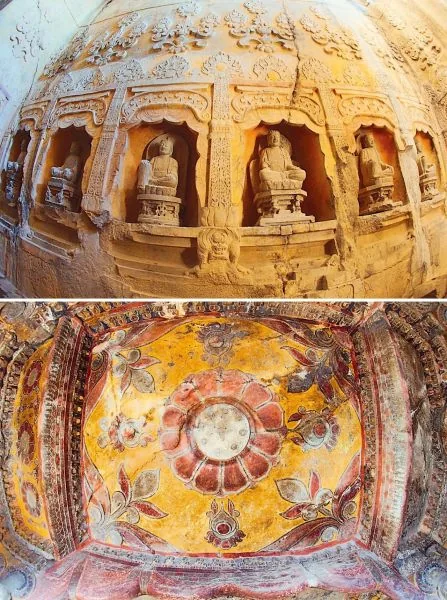
Why Xiangtangshan Matters
Xiangtangshan is closely associated with the Northern Qi period, when the Ye area around modern Handan and Linzhang was a major political and cultural center. The caves are not as internationally famous as Longmen or Yungang, but that is exactly why they are useful for a deeper Hebei itinerary. They let you see Buddhist cave art in the landscape where Northern Qi power and religious patronage were active.
Official and academic descriptions emphasize cave temples carved into limestone cliffs, Buddhist sculpture, murals, inscriptions, and later conservation issues. For a traveler, the key point is simple: Xiangtangshan is not only a photo stop. It is a place where the route, the dim interiors, the damaged figures, and the remaining detail all need time.
- Best for: Buddhist art, Northern Qi history, archaeology, and serious culture travel.
- Location logic: Fengfeng Mining District, outside central Handan.
- Plan type: a focused half-day or a longer Handan cultural day.
- Pair with: Handan city, Guangfu Ancient City, or Wahuang Palace only if your transfer timing is realistic.

North, South and Smaller Cave Groups
The site is usually discussed in relation to northern and southern cave groups, with smaller associated caves also part of the broader Xiangtangshan cultural landscape. Do not assume every cave area is equally easy to visit on the same schedule. If you are using a taxi or hired car, confirm the exact entrance and route before leaving Handan.
For first-time visitors, the better question is not “which cave has the biggest statue?” but “how much time do I need to look properly?” The details are often high, dim, damaged, or partly hidden by the cave geometry. Slow looking is more useful here than rushing from one checklist item to another.
What to Look For Inside
Cave layout and central space
Stand back before studying the sculpture. Xiangtangshan is cave architecture, not a collection of isolated museum objects. The carved niches, ceiling, walls, pillars, and main figure positions were planned as a worship environment.
Sculpture style and surviving detail
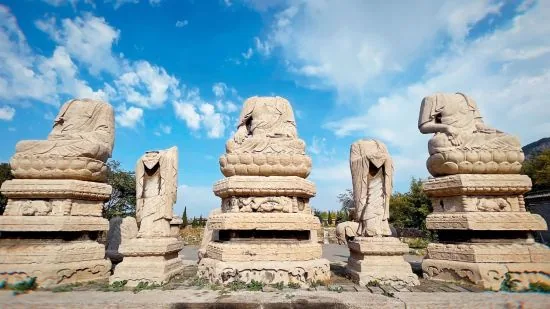
Look for body posture, robe lines, halo shapes, small attendant figures, and decorative carving. Some figures have lost heads or hands, and some surfaces have been damaged over time. That can feel disappointing at first, but it also reveals why Xiangtangshan has become important in cultural heritage research and object-reconstruction projects.
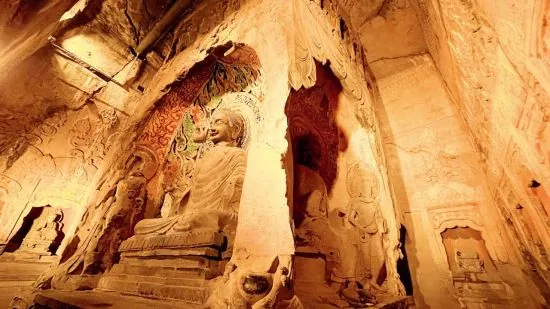
Color, ceiling and inscriptions
Do not only photograph the main Buddha. Check ceilings, side walls, and smaller niches when allowed. Surviving color and carved ornament can explain the cave better than a single front-facing image.
How to Fit It into a Handan Trip
If you are arriving from Beijing, start with the Beijing to Handan train guide and decide whether you want a city-based Handan trip or a county-and-mountain culture route. Xiangtangshan is not as simple as walking out of a high-speed rail station and sightseeing nearby.
A practical first Handan trip might use one day for Guangfu Ancient City in Handan and local city stops, then give Xiangtangshan a separate half day. If you are comparing southern Hebei cultural sites, Wahuang Palace in Shexian is the natural companion article: Wahuang Palace is stronger for Nuwa culture and mountain temple atmosphere, while Xiangtangshan is stronger for Buddhist cave art and Northern Qi history.
| Choice | Better for | Planning note |
|---|---|---|
| Xiangtangshan Grottoes | Buddhist cave art, Northern Qi sculpture, archaeology | Needs slow viewing and transport buffer |
| Wahuang Palace | Nuwa culture, cliff pavilion, mountain temple route | Better as a Shexian-focused trip |
| Guangfu Ancient City | Old-town walking, walls, water-town scenery | Easier for a first Handan day |
| Handan city route | Shorter transfer time, food, museums, urban stops | Use the Handan one-day itinerary first |
Suggested Visit Plan
- Confirm the exact cave area and entrance. Chinese names and English names can vary, so use 响堂山石窟 when checking maps.
- Leave central Handan with buffer time. Do not plan the cave visit against a tight same-day train departure.
- Start with the overview of the mountain setting. It helps you understand why this is not just a small cave room.
- Slow down inside the main cave spaces. Give your eyes time to adjust before taking photos or moving on.
- Compare details, not only scale. Xiangtangshan rewards visitors who look at robes, halos, ceiling patterns, and damage traces.
- Check rules before photographing. Avoid flash and follow any conservation notices.
Who Should Prioritize It?
Choose Xiangtangshan if you already like cave temples, Buddhist sculpture, conservation stories, or under-visited cultural sites. If your goal is an easy first-time Hebei trip, start with the broader must-see attractions in Hebei overview and decide whether Handan belongs in your route. Xiangtangshan is more specialized than Chengde Mountain Resort or Shanhaiguan, but that specialization is also its SEO and travel value: it answers a very specific search need.
For a stronger southern Hebei plan, build around Handan rather than adding the grottoes as an afterthought. A rushed visit can make the caves feel like a small damaged site. A careful visit makes them read as a rare Northern Qi survival in a province that is often underrated by foreign travelers.
References Checked
Jingniang Lake Travel Guide: Wu’an, Handan Routes and Boat Views
Plan Jingniang Lake near Wu'an and Handan with lake-and-cliff views, boat-area expectations, transport logic, weather advice and nearby…
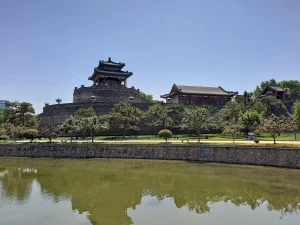
Congtai Park Handan Guide: Wuling Terrace, Seven Sages Shrine and City Walk
Explore Congtai Park in central Handan: Wuling Terrace, the Seven Sages Shrine, lake paths, Zhao history and a…
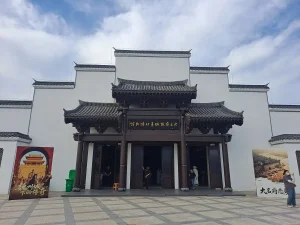
Daming Ancient City Museum Guide: Archaeology, Song-Era Context and a Thoughtful Handan Visit
Plan a thoughtful Daming County visit in Handan: Daming Ancient City Site Museum, archaeology, Song-era context, local streets,…
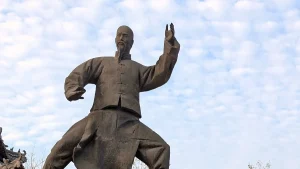
Guangfu Taijiquan Guide: Yang Luchan, Ancient City and Respectful Practice Visits
Visit Guangfu Ancient City in Handan for the Yang-style Taijiquan story: Yang Luchan context, city walls, cultural etiquette,…
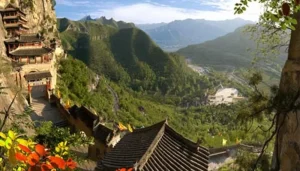
Wahuang Palace Handan Guide: Nuwa Temple, Cliff Pavilion and Shexian Route Tips
Plan a Wahuang Palace visit in Shexian, Handan, with Nuwa culture, cliff pavilion highlights, carved scriptures, transport logic,…
Guangfu Ancient City Guide in Handan: Water Town Walls, Tai Chi Roots and Beijing Train Tips
Plan Guangfu Ancient City in Handan with old walls, water-town scenery, Tai Chi heritage, Beijing train links, timing,…