
Guangfu Taijiquan Guide: Yang Luchan, Ancient City and Respectful Practice Visits
Guangfu Ancient City in Yongnian, Handan, is a useful destination for travellers who know Yang-style tai chi as a global practice and want to understand one of its northern Chinese settings. The city is more than a backdrop for a few slow movements: its walls, water, lanes, memorial sites, and everyday visitors give the subject a local scale. Come to learn where the story is rooted, not to expect a stage-managed performance or a guaranteed lesson.
The place is often called Guangfu, Guangfu Ancient City, or Guangfu Town in English. Keep the Chinese name 广府古城 and Yongnian District, Handan, on your phone when checking a map or arranging transport. This guide concentrates on cultural context, a calm walking route, and respectful ways to observe or join public activity. Timetables, tickets, demonstrations, and access to individual memorial buildings can change, so treat those details as current checks rather than permanent facts.
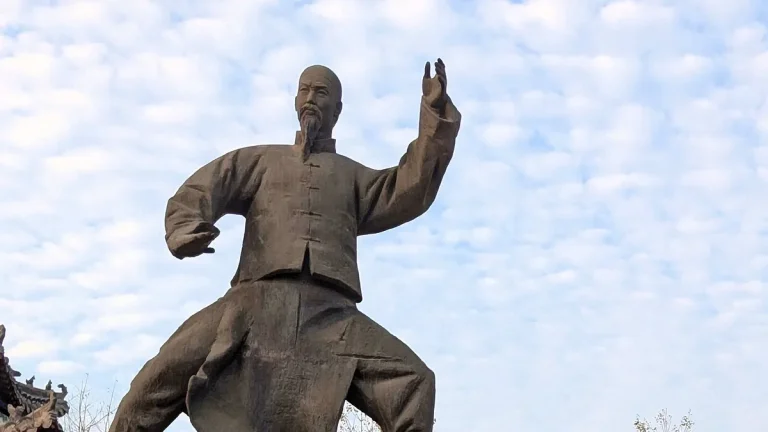
Why Guangfu matters to Tai Chi visitors
Yang-style Taijiquan is associated with Yang Luchan, who was born in Yongnian and is widely identified with Guangfu Ancient City. The Hebei Department of Culture and Tourism describes Yongnian Yang-style Taijiquan as having originated in Guangfu and credits Yang Luchan with its Qing-era development. The General Administration of Sport of China likewise identifies Yongnian as a place associated with both Yang and Wu styles. Those are meaningful local heritage links, but visitors should avoid reducing a living practice to a single birthplace claim or treating every tai chi school worldwide as identical.
UNESCO placed Taijiquan on the Representative List of the Intangible Cultural Heritage of Humanity in 2020. Its description emphasizes relaxed circular movement, breath regulation, the five steps and eight techniques, routines, and partner work. It also notes that Taijiquan developed into several schools named for families or masters. That wider framework helps explain why Guangfu matters: it is a place to encounter one important lineage story while respecting that Tai Chi has many communities, teachers, and ways of learning.
Start with the ancient city, not a lesson booking
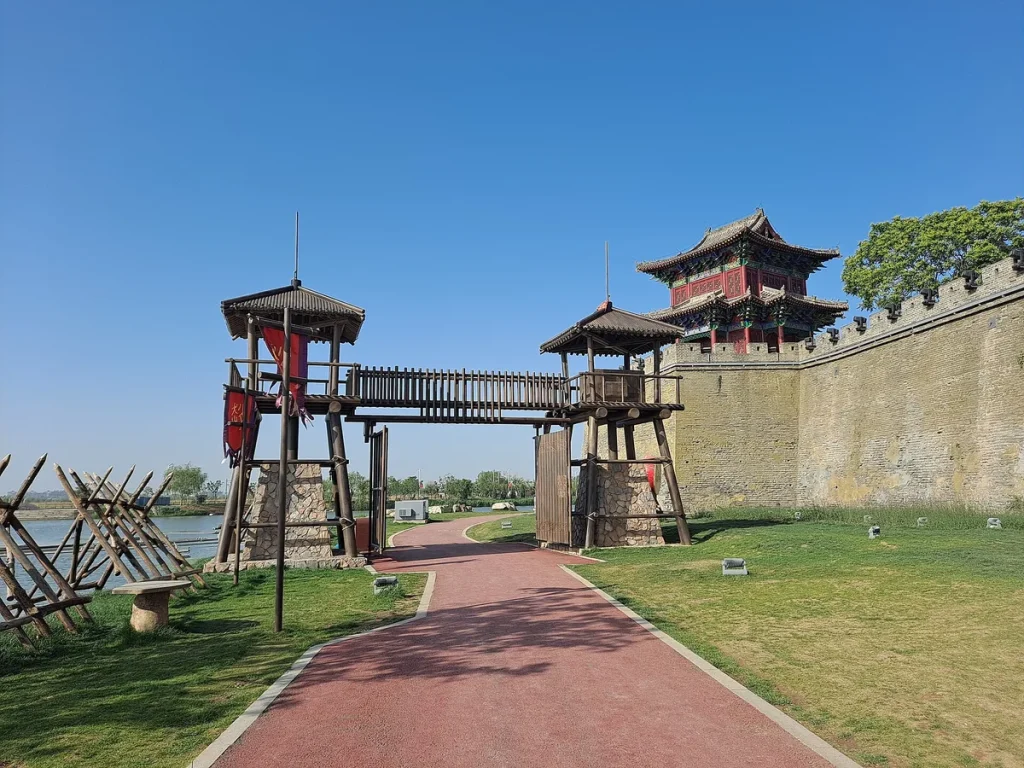
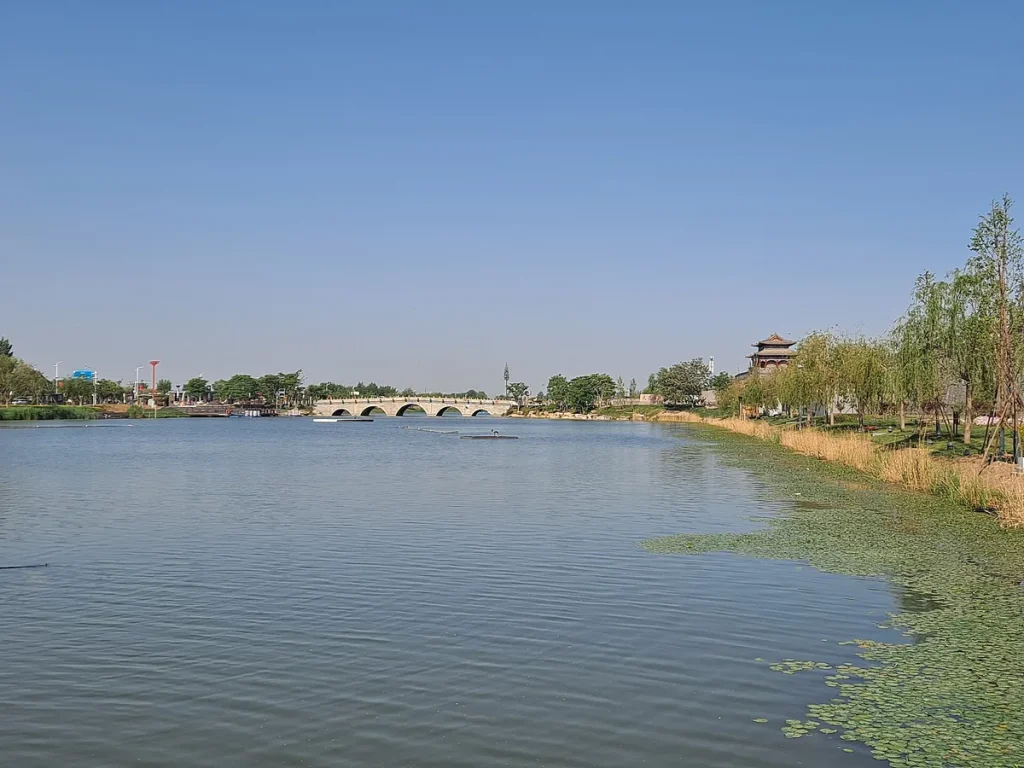
First-time visitors get more from Guangfu by seeing the city as a whole. Begin outside the walls or at a gate area, then slow down as the water and ramparts come into view. The city’s compact historic fabric creates a different rhythm from a modern fitness studio: a wall-top view, an old street, a public square, and a small memorial space can all be part of the same walk. The Guangfu Ancient City guide is the practical companion for the wider wall-and-water route.
Do not plan a rigid sequence around a promise that strangers will be practising at a particular hour. You may see individuals or groups moving in a square, park, or lane, especially earlier in the day, but public practice is not a tourist performance. Watch from a comfortable distance. Ask before taking close photographs, avoid walking through a group, and do not imitate a form in the middle of someone else’s practice space. A small greeting and patient observation are more appropriate than trying to collect a video clip.
A respectful route through Guangfu
- Arrive with the names saved: use Guangfu Ancient City and Yongnian District rather than assuming an English-only map result will pinpoint the entrance you want.
- Walk the city edge first: the walls and water make the setting legible and keep the visit from becoming a rushed search for one statue or plaque.
- Visit heritage sites quietly: follow any entrance signs, tickets, barriers, and photography rules at memorial residences or exhibition rooms.
- Observe public practice without interrupting: ask before a portrait, do not join an organised group uninvited, and accept a polite refusal.
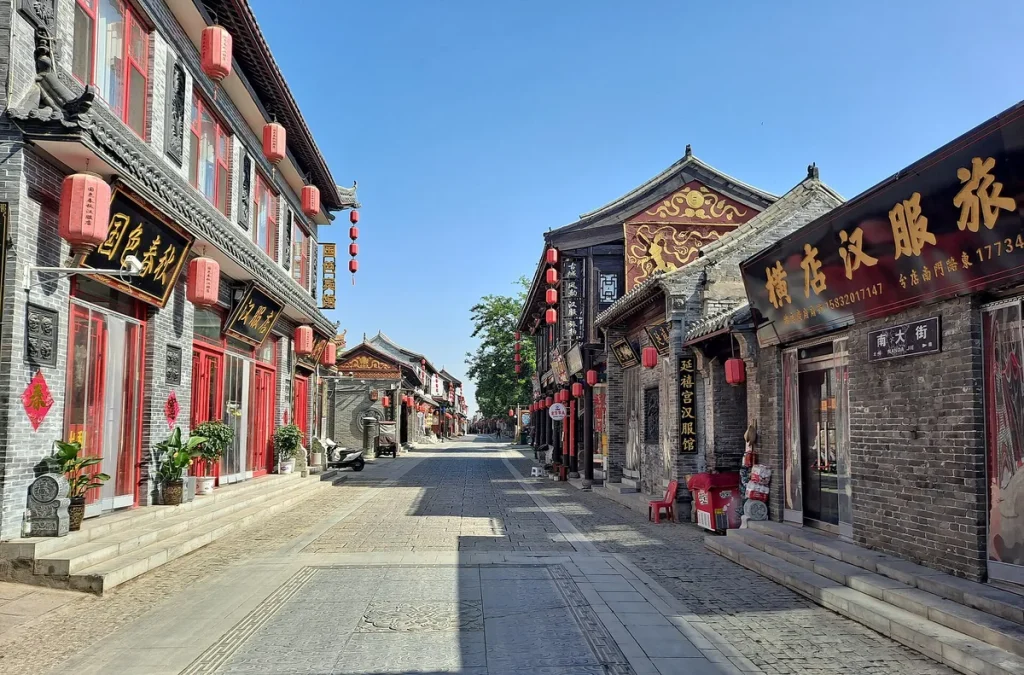
- Leave time for ordinary streets: the old-city experience includes local circulation, small shops, and the transition between monumental walls and lived-in lanes.
For travellers arriving from Beijing or another major rail hub, Guangfu works better as part of a Handan area day than as a rushed same-day detour from the capital. The Beijing to Handan train guide explains the rail framework, while the Handan one-day itinerary helps you decide whether Guangfu should be the central stop. Build in road-transfer time from Handan rather than treating the city name and the ancient-city gate as the same point.
What to look for beyond the famous name
The most rewarding details are often architectural and social rather than martial. From a wall or waterside path, look at how bridges, gateways, towers, and water define the city’s boundary. Inside, notice the difference between lanes used by visitors and ones that remain everyday routes. These observations provide the setting for a heritage tradition that is learned through people, not simply displayed by buildings.
If you encounter an exhibition about Yang Luchan, read it as a local interpretation of a much larger practice. It can be a valuable introduction, but it does not replace sustained learning with a qualified teacher. Be wary of anyone who promises that a few minutes in a birthplace can certify skill, health outcomes, or lineage. A responsible cultural visit makes room for both history and the limits of what a short trip can teach.
How to join a class responsibly
Guangfu is a better place to ask thoughtful questions than to make spontaneous commitments. If you want instruction, first establish who is teaching, which style they teach, how long the session lasts, what the fee includes, and whether translation is available. Request the details in writing. A serious instructor should be comfortable explaining the level of the class and should not pressure visitors to make claims about lineage, health, or future travel plans.
For a short visit, a simple observation session or introductory class can be enough. Wear comfortable clothes, arrive on time, follow safety guidance, and do not force low stances, stretches, or partner exercises. Tai chi has many purposes for different practitioners, and travel writing should not turn it into medical advice. Pause if you feel pain, and seek professional guidance for any personal health question.
Pair Guangfu with another Handan cultural stop
Guangfu combines naturally with the city’s other history-focused places only when transport time is realistic. The Xiangtangshan Grottoes guide offers a very different Northern Qi Buddhist-art focus; it should be a separate half-day or day priority, not a hurried add-on after a long Guangfu walk. For a scenic counterpoint rather than another heritage enclosure, the Jingniang Lake guide covers a water-and-cliff destination west of Handan.
The useful planning principle is contrast, not box-ticking. Choose Guangfu for Taijiquan context, walls, and slower streets. Choose Xiangtangshan for sculpture and cave architecture. Choose Jingniang Lake for open landscape. This makes internal travel time visible and leaves the content of each place intact rather than selling every Handan attraction as interchangeable.
Use current information carefully
Opening hours, tickets, road access, museum-room availability, festivals, and organised practice opportunities are all changeable. Check official local notices close to departure, save a Chinese-language screenshot when possible, and confirm any paid class directly with its organiser. Do not rely on old social posts for a wall-top route or the opening of a memorial residence. A heritage conservation project, seasonal event, weather warning, or local management decision can change access without changing the city’s underlying value.
Official references
The Hebei Department of Culture and Tourism profile of Yang-style Taijiquan gives the Guangfu and Yang Luchan context. The General Administration of Sport of China report on the Yongnian Guangfu Taijiquan meeting identifies Yongnian with the Yang and Wu traditions. For the wider intangible-heritage context, use the UNESCO Taijiquan listing. These sources establish historical and cultural context; check current local official notices separately for access and event details.
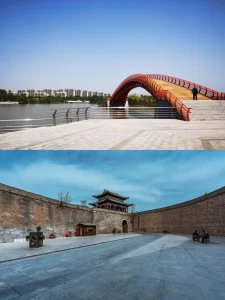
Handan One-Day Itinerary: Guangfu Ancient City, Culture and Food
Plan a focused Handan one-day trip with Guangfu Ancient City, Wa Palace or Xiangtangshan choices, local food, route…
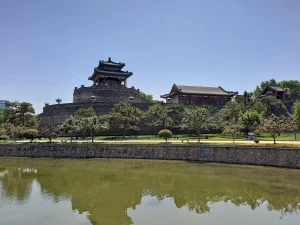
Congtai Park Handan Guide: Wuling Terrace, Seven Sages Shrine and City Walk
Explore Congtai Park in central Handan: Wuling Terrace, the Seven Sages Shrine, lake paths, Zhao history and a…
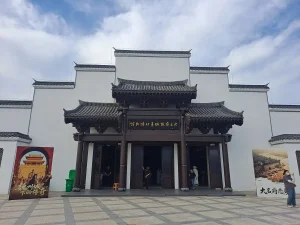
Daming Ancient City Museum Guide: Archaeology, Song-Era Context and a Thoughtful Handan Visit
Plan a thoughtful Daming County visit in Handan: Daming Ancient City Site Museum, archaeology, Song-era context, local streets,…
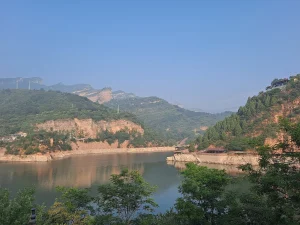
Jingniang Lake Travel Guide: Wu’an, Handan Routes and Boat Views
Plan Jingniang Lake near Wu'an and Handan with lake-and-cliff views, boat-area expectations, transport logic, weather advice and nearby…

Xiangtangshan Grottoes Handan Guide: Northern Qi Buddhist Caves, Route and Visitor Tips
Plan Xiangtangshan Grottoes in Handan with Northern Qi Buddhist cave history, Fengfeng route logic, cave highlights, timing, photo…
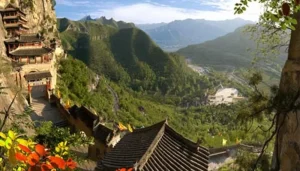
Wahuang Palace Handan Guide: Nuwa Temple, Cliff Pavilion and Shexian Route Tips
Plan a Wahuang Palace visit in Shexian, Handan, with Nuwa culture, cliff pavilion highlights, carved scriptures, transport logic,…