
Daming Ancient City Museum Guide: Archaeology, Song-Era Context and a Thoughtful Handan Visit
Daming County sits in the southeast of Handan, near the historic routes that once linked the North China Plain with the Grand Canal world. It is a worthwhile stop for travellers interested in urban archaeology, but the key is to understand what is actually on view. The Daming Ancient City Site Museum interprets a buried historic city through objects, archaeology, and a large model; it is not a walk through an intact Song-dynasty streetscape.
That distinction makes the visit more rewarding. Rather than searching for an imaginary lost city above ground, you can use the museum to understand layers of settlement, flood history, and reconstruction, then look at the modern county’s streets and small heritage markers with a clearer eye. Keep the Chinese name 大名府古城遗址博物馆 saved on your phone when checking a map or confirming transport.
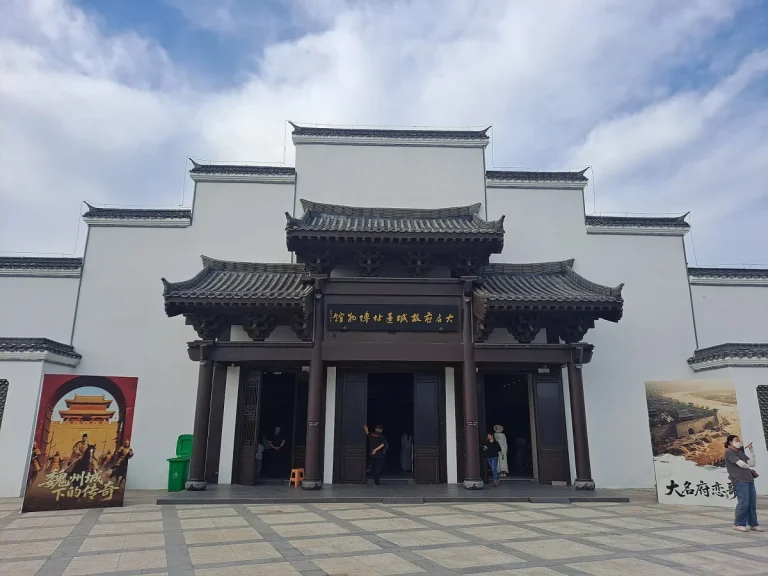
What the museum helps you understand
The Hebei Provincial Cultural Relics Bureau states that the museum opened to the public in 2024 and includes displays on historical Daming, the ancient-city model, archaeology, reconstruction, and public education. That is a useful starting point for international visitors because English-language material on Daming is limited and online descriptions often blur three different things: the archaeological site, the current county town, and newly created visitor-oriented streets.
Inside, start with the model before looking at individual cases. The model makes it easier to follow the scale of a regional city, its walls, central areas, and street pattern, and it gives objects in display cases a spatial setting. Then move from the broad sequence to excavated ceramics, building material, stone, and other evidence. Read labels slowly and photograph only where current rules allow. A museum is not a substitute for the archaeological record, but it is the clearest public gateway to it.
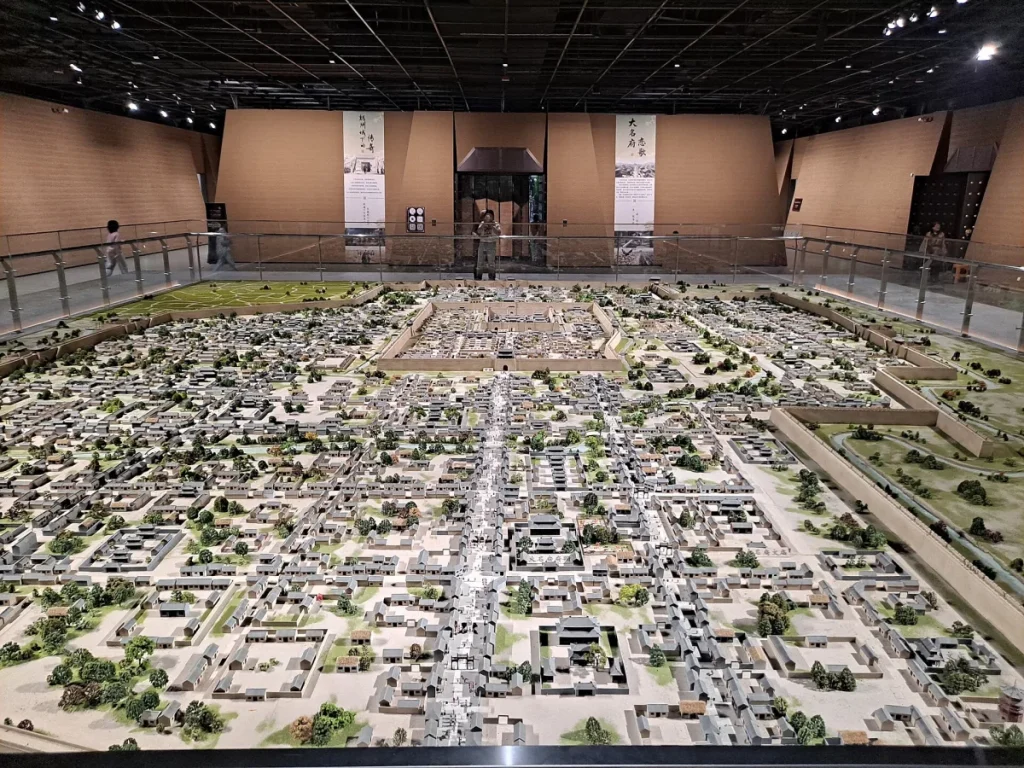
Daming in Song-era context
Daming was an important northern city in several periods, and it became especially prominent in the Northern Song. The local museum’s official profile describes a long settlement and administrative history, including periods when Daming served as a major prefectural and regional centre. The most useful travel takeaway is modest: this was not a remote rural outpost. Its history was shaped by transport corridors, political geography, water management, and the movement of goods and people across the North China Plain.
It is tempting to call the old city a Chinese Pompeii because its earlier urban layers were affected by catastrophic flooding, but that shortcut creates a false expectation of exposed streets and preserved houses. A Hebei culture-and-tourism account says the old Daming city was heavily buried after a flood in 1401 and notes continuing archaeology at the core area. Use the comparison only as a reminder that water can preserve and transform an urban landscape, not as a promise of the same kind of visible ruins found in Italy.
How to read an archaeological city museum
Archaeology is often less dramatic than a palace facade, but it can reveal more about how a city worked. When you look at a ceramic vessel, brick, roof tile, or small metal object, ask three simple questions: where was it found, how was it dated, and what does it add to the larger map? A labelled find has value because it is connected to a context. The museum’s model and wall panels help visitors move between a single object and the wider sequence of streets, walls, watercourses, and rebuilding.
This approach also prevents an easy error in travel writing: treating an excavation result as though it were a complete, visible reconstruction. Archaeological work changes as new evidence is recorded and interpreted. Use cautious language such as “the museum presents” or “the excavations indicate” when the evidence is being explained to visitors. Do not claim that every part of the historic city has been uncovered, or that a scale model reproduces every lost building exactly. The appeal of Daming lies in learning how researchers build a picture from incomplete but meaningful evidence.
How to visit without mistaking new streets for old fabric
Some areas of present-day Daming use historical architectural language, and a street name may reference the Song period. These can be pleasant for an evening walk, a snack, or a pause between transport connections. They should not be presented as excavated Song streets. The stronger itinerary is to give the museum first priority, then use the surrounding town to see how a current county centre frames its long history.
- Begin at the museum: read the city model and chronology before photographing decorative gateways or retail streets.
- Separate evidence from atmosphere: excavated objects, the site interpretation, and documented stelae are historical evidence; rebuilt facades are contemporary visitor infrastructure.
- Allow an unhurried pace: a museum visit and a local walk work better than trying to combine Daming with distant Handan attractions on the same rushed day.
- Check the day’s rules: opening hours, identity requirements, photography, temporary galleries, and access can change.
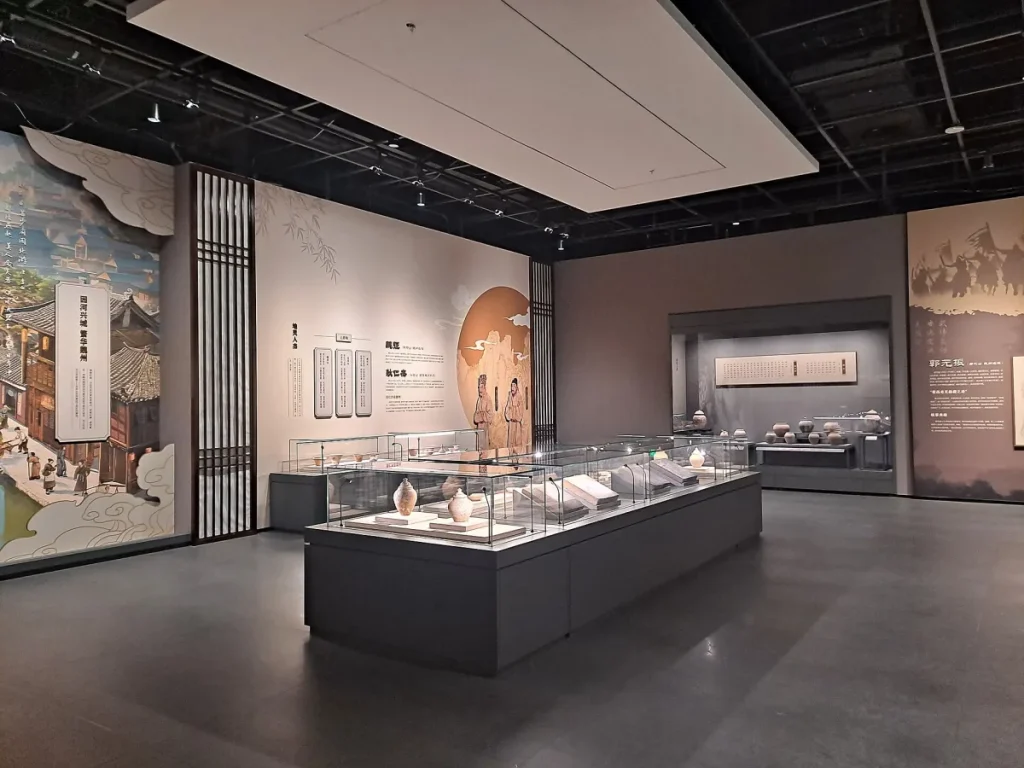
Plan the journey from Handan realistically
Daming is part of Handan municipality, but it is not a quick walk from Handan’s central rail station. Treat the onward road transfer as a distinct part of the day. The Beijing to Handan train guide is useful for the intercity rail leg, while the Handan one-day itinerary gives the city-centre context. Once you leave the rail hub, confirm the current bus, car, or driver arrangement rather than relying on a copied travel-time claim.
For most visitors, Daming should be its own focus or a calm overnight extension, especially if archaeology and local history are the reason for travelling. Pairing it with another remote county site is usually a false economy. If you have a separate day in the Handan area, the Guangfu Ancient City guide offers walls, water, and a different kind of historic-city experience, while the Xiangtangshan Grottoes guide focuses on Northern Qi cave art. They deserve separate blocks of time.
A simple half-day structure
- Arrive and verify access: confirm the museum’s current entrance, opening status, and any registration requirement.
- Spend time with the model: it is the best orientation tool before you move through the archaeological cases.
- Read one display closely: choose ceramics, building material, or a map rather than trying to absorb every label at speed.
- Take a short local walk: treat Song Street and other contemporary historical-themed spaces as present-day public places, not excavated remains.
- Leave room for return transport: do not plan the last departure around a museum closing time you have not confirmed that morning.
What the real photographs show
The real photographs in this guide show the museum entrance, its large city model, an interior gallery, and a current Song Street scene. They deliberately do not claim to show the buried historic city itself. That difference is important for visitors and for search quality: a modern museum can make archaeology legible, while a themed street can create a useful local atmosphere, but neither should be mislabeled as standing Song-dynasty fabric.
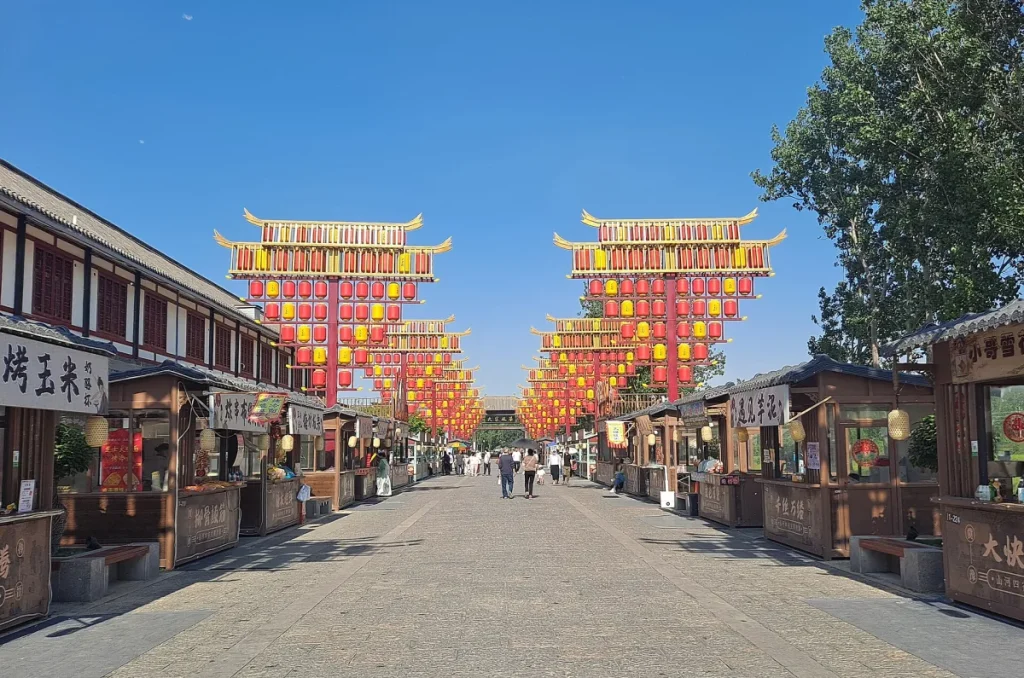
Current information matters
The museum’s address, transport connection, opening schedule, temporary exhibition plan, and visitor requirements are operational details that can change. Verify them through current official museum or cultural-relics channels close to departure. This is especially important for a smaller county destination: an old social-media post or a travel-platform listing is not a reliable substitute for a same-week notice.
A careful Daming visit is therefore less about ticking off an “ancient city” and more about reading how a historic capital, flooding, archaeology, and a living county town fit together. That makes it an unusually thoughtful Handan-area stop for travellers who value evidence over a staged photo opportunity.
Who will enjoy Daming most
Daming is strongest for travellers who enjoy museums, Chinese urban history, archaeology, and unhurried county-scale travel. It may feel less satisfying for someone looking only for a fully preserved old town, a dense row of famous monuments, or a tightly scheduled day trip from Beijing. Setting that expectation early is useful: the museum provides interpretation and evidence, while the surrounding town provides contemporary context. Together, they make a more honest and more memorable visit than a generic “ancient city” label.
Official references
For the museum’s location, opening background, and exhibition scope, see the Hebei Provincial Cultural Relics Bureau profile of Daming Ancient City Site Museum. The bureau’s Daming County Museum profile provides broader county-history and collection context. For flood history, canal connections, and heritage interpretation, consult the Hebei Department of Culture and Tourism account of Daming. Check current local notices separately before travel.
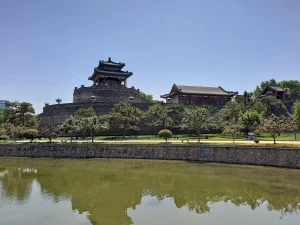
Congtai Park Handan Guide: Wuling Terrace, Seven Sages Shrine and City Walk
Explore Congtai Park in central Handan: Wuling Terrace, the Seven Sages Shrine, lake paths, Zhao history and a…

Wahuang Palace Handan Guide: Nuwa Temple, Cliff Pavilion and Shexian Route Tips
Plan a Wahuang Palace visit in Shexian, Handan, with Nuwa culture, cliff pavilion highlights, carved scriptures, transport logic,…

Guangfu Taijiquan Guide: Yang Luchan, Ancient City and Respectful Practice Visits
Visit Guangfu Ancient City in Handan for the Yang-style Taijiquan story: Yang Luchan context, city walls, cultural etiquette,…
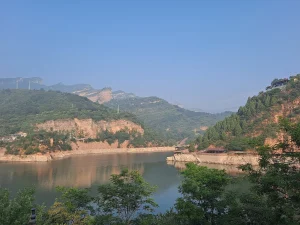
Jingniang Lake Travel Guide: Wu’an, Handan Routes and Boat Views
Plan Jingniang Lake near Wu'an and Handan with lake-and-cliff views, boat-area expectations, transport logic, weather advice and nearby…

Xiangtangshan Grottoes Handan Guide: Northern Qi Buddhist Caves, Route and Visitor Tips
Plan Xiangtangshan Grottoes in Handan with Northern Qi Buddhist cave history, Fengfeng route logic, cave highlights, timing, photo…
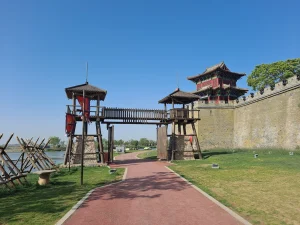
Guangfu Ancient City Guide in Handan: Water Town Walls, Tai Chi Roots and Beijing Train Tips
Plan Guangfu Ancient City in Handan with old walls, water-town scenery, Tai Chi heritage, Beijing train links, timing,…