
Hengshui Lake Travel Guide: Wetlands, Birdwatching and Day Trip Tips
Hengshui Lake is the nature stop that makes a Hengshui itinerary feel different from a normal city break. Instead of temples, shopping streets, or another museum-heavy day, the lake gives travelers open water, reed beds, birdwatching points, quiet boardwalks, and a slower look at the wetland landscape of southern Hebei.
The site is best planned as a half-day or full-day trip from Hengshui city. It can also fit into a wider Hebei route if you are moving between Beijing, Shijiazhuang, Cangzhou, or Jinan by train. The main value is not one single landmark. It is the combination of freshwater scenery, wetland ecology, seasonal birds, and a calm local atmosphere that is hard to find in bigger North China cities.
Why Hengshui Lake Is Worth Visiting
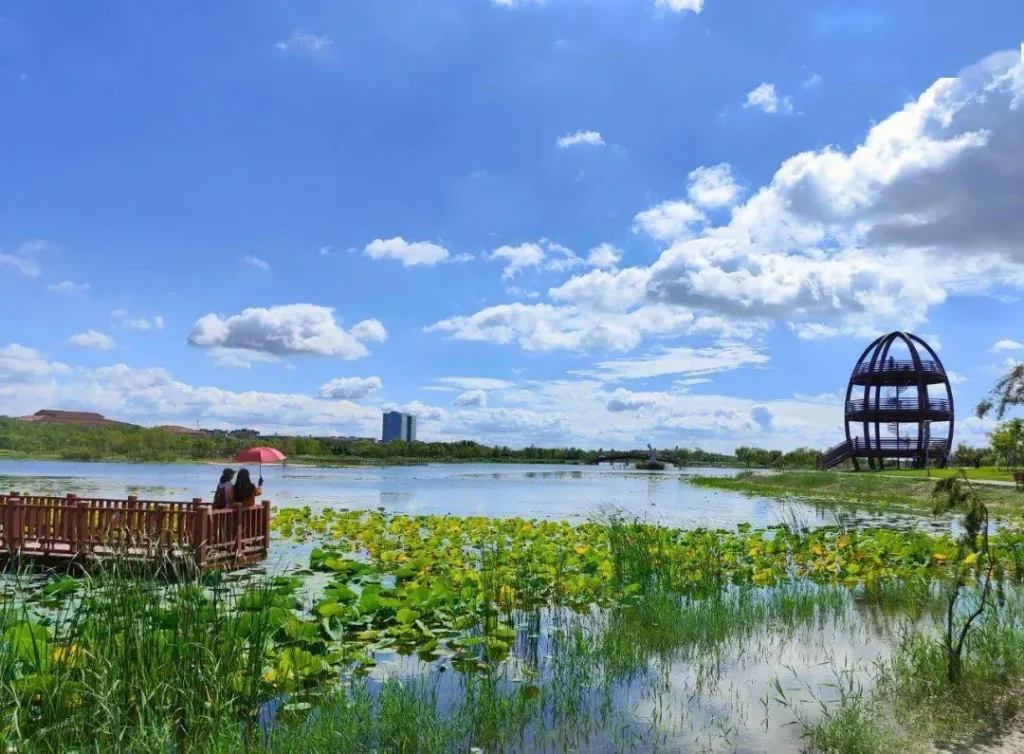
Hengshui Lake National Nature Reserve is widely described as a complete wetland system on the North China Plain, with water, reed beds, mudflats, meadows, and woodland habitats. That variety is why the lake is more interesting than a simple waterfront park. Visitors can see different views within a relatively compact route: open lake surfaces, quieter reed areas, observation platforms, and walking sections where the scenery changes with light and season.
For ordinary travelers, the easiest way to understand the site is to treat it as a soft outdoor day: arrive early, walk slowly, use the viewing areas, take a boat only if conditions and local rules make sense that day, and leave enough time for Hengshui city food or another nearby stop. If you are building a broader Hengshui plan, pair this article with our things to do in Hengshui guide and the local roundup of must-visit spots in Hengshui.
Birdwatching: The Main Reason to Go Early
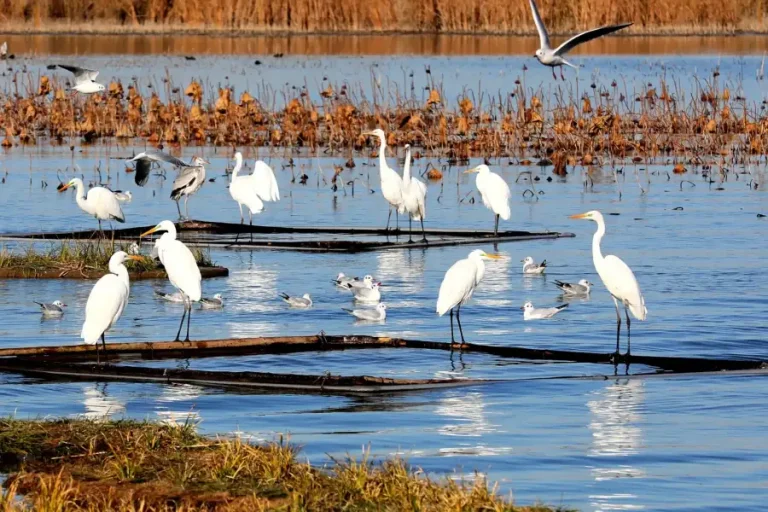
Birdwatching is the lake’s strongest travel theme. Recent public reports describe Hengshui Lake as an important stopping and wintering place for migratory birds on the East Asian-Australasian Flyway, and the reserve has recorded more than 300 bird species. That does not mean every visitor will see rare birds in one short walk, but it does mean the lake is worth treating as a serious birding location rather than a decorative city park.
For the best experience, go in the morning, keep noise low, and bring binoculars if birdwatching matters to you. A phone camera is usually enough for scenery, but it is rarely enough for distant birds. Spring and autumn are strong migration periods, summer gives greener wetland scenery and lotus views, and winter can be rewarding for patient visitors who want a quieter lake and seasonal bird activity. Always check current opening hours, weather, and access rules before you go because wetland management, boating, and bird-protection areas can change by season.
Suggested Half-Day Route
A simple half-day plan works better than trying to rush every corner of the lake. Start from the main visitor area, walk toward the lakefront viewpoints, continue to the boardwalk or observation area that is open on the day, and keep the pace slow enough for photos and birdwatching. If boat services are operating, ask locally about the route, duration, price, and whether the boat enters quieter scenery or only covers a short tourist loop.
- Morning: arrive early for cooler light, fewer visitors, and better birdwatching chances.
- Midday: stay near shaded walking areas or take a shorter boat route if available and appropriate.
- Afternoon: return to Hengshui city for food, the liquor museum, or another short stop from the city guide.
How to Get There
Most independent travelers should first reach Hengshui by train, then use a taxi, ride-hailing app, or local bus depending on where they are staying. Train times and stations change often enough that it is better to verify the exact route on the day you book rather than relying on old travel-blog prices. Our Beijing to Hebei train guide explains the wider planning logic for using rail routes into Hebei.
If you are already in Shijiazhuang or another Hebei city, Hengshui can work as a separate stop rather than a long detour. For first-time visitors, the most comfortable plan is to stay one night in Hengshui, visit the lake in the morning, and then continue toward your next city in the afternoon or evening. This avoids making the lake feel like a rushed checklist item.
What to Bring
- Binoculars: useful if you care about birds; optional if you only want scenery.
- Sun protection: parts of the lakefront can feel exposed in warmer months.
- Comfortable shoes: the visit is mostly walking, viewing, and waiting rather than intense hiking.
- Water and simple snacks: do not assume every viewing section has convenient shops.
- A flexible schedule: wetlands are weather-dependent, and bird activity is never guaranteed.
How It Fits Into a Hebei Itinerary
Hengshui Lake is strongest for travelers who want a quieter nature day. It is not a substitute for major heritage sites such as Zhengding, Chengde, or Zhaozhou Bridge, but it balances them well. If your Hebei route already includes city history and temples, the lake adds landscape variety and gives the itinerary a more relaxed rhythm.
For more route planning, continue with the Hebei destinations hub if you are choosing cities, or the Hebei attractions hub if you want to compare scenic and cultural stops across the province.
References and Current Checks
For current birdwatching and reserve context, check recent official or state-media updates before traveling: Hengshui Lake scenic area information, Xinhua on Hengshui Lake’s all-season birdwatching map, and China Daily government portal coverage.
8 Places to Visit in Hengshui: Lake, Culture and Local Stops
Compare accurate Hengshui places to visit, including Hengshui Lake, Jizhou history, Luli Ancient Town, Laobaigan, inner painting, city…

Beijing to Hengshui Train Guide: Hengshui Lake, Birdwatching and City Route Tips
Use this Beijing to Hengshui train guide to plan station choices, Hengshui Lake transfers, birdwatching timing, city culture…

Things to Do in Hengshui: Lake, Laobaigan and Local Culture
Plan a Hengshui city visit with Hengshui Lake, Laobaigan liquor culture, inside-painted snuff bottles, one-day and two-day itinerary…
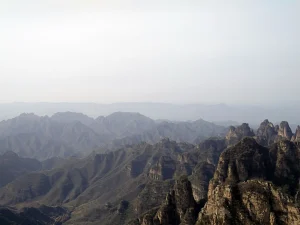
Langya Mountain Yixian Guide: Hiking, Cable Car and Memorials
Plan a respectful Langya Mountain visit in Yixian with Taihang views, hiking and cable-car choices, Five Heroes memorials,…

Qingchui Peak Chengde Guide: Hiking, Cable Car and Toad Rock
Plan a visit to Qingchui Peak in Chengde: see the rock pillar and Toad Rock, compare the walking…
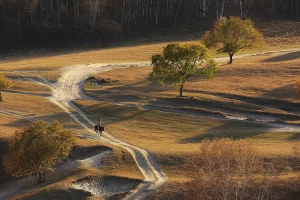
Mulan Paddock Weichang Guide: Grasslands, Yudaokou and Saihanba Route
Plan a thoughtful Mulan Paddock trip in Weichang: grassland and forest landscapes, Yudaokou and Saihanba route logic, seasonal…