
Yesanpo Travel Guide: Explore Hebei’s Natural Gem
Nestled in the western part of Hebei Province, just a 2.5-hour drive from Beijing, Yesanpo is a hidden paradise where towering karst peaks, crystal-clear rivers, and lush forests converge. Far from the bustle of big cities, this scenic area—recognized as a UNESCO Global Geopark—offers a diverse range of experiences: hiking through mist-shrouded mountains, rafting on gentle rapids, exploring ancient villages, and even marveling at natural rock formations that look like they’re straight out of a fairy tale. Whether you’re an adventure seeker, a nature lover, or someone craving a peaceful escape, Yesanpo has something to captivate you. This guide will help you make the most of your visit to this underrated Chinese treasure.
Why Yesanpo? What Makes It Special
Yesanpo stands out among China’s scenic spots for its “three treasures”: unique geology, rich culture, and accessible location. Unlike the crowded national parks in other regions, it retains a laid-back, uncommercialized vibe—where you can chat with local farmers, taste home-cooked meals, and wake up to the sound of birdsong. Its geopark status means you’ll see rare rock formations formed over 1 billion years, while its proximity to Beijing makes it an ideal day trip or weekend getaway. Plus, with four distinct seasons, each time of year brings a new face to Yesanpo: cherry blossoms in spring, cool streams in summer, fiery foliage in autumn, and snow-dusted peaks in winter.
Best Time to Visit
The best time to visit depends on what you want to experience:
- Spring (April–May): Temperatures range from 10–20°C (50–68°F). The hills are covered with pink peach blossoms and white apricot flowers, and the air is fresh—perfect for hiking and photography. This is a great time for those who prefer mild weather and fewer crowds.
- Summer (June–August): The hottest months, but temperatures only reach 25–30°C (77–86°F)—much cooler than Beijing or Tianjin. This is the peak season for rafting on the拒马河 (Juma River) and camping by the riverbanks. It’s ideal for families and water sports enthusiasts, but book accommodation in advance.
- Autumn (September–October): The golden season of Yesanpo. The leaves turn vibrant shades of red, orange, and yellow, and the sky is clear. Temperatures are 15–25°C (59–77°F), making it perfect for long hikes and exploring the ancient villages. This is also the harvest season—you can taste fresh persimmons and chestnuts from local markets.
- Winter (November–March): Cold (0–10°C/32–50°F) and quiet. The Juma River freezes over, and the mountains are covered in a light layer of snow. It’s a magical time for photographers and those who love serene, winter landscapes. Some hiking trails may be closed, but you can enjoy hot springs nearby.
How to Get There
Yesanpo is most easily accessible from Beijing, the main gateway for international visitors:
- Private Car/Taxi: The most convenient option, especially if you’re traveling with a group. A taxi from Beijing costs around 800–1,000 CNY one-way, and the drive takes 2.5–3 hours (via the Beijing-Shijiazhuang Expressway). You can also rent a car in Beijing (international driver’s license is accepted) for more flexibility.
- Bus: The most budget-friendly choice. Buses depart from Beijing’s Liuliqiao Long-Distance Bus Station to Yesanpo Bus Station every hour from 6:30 AM to 5:00 PM. The journey takes 3–3.5 hours, and tickets cost 80–100 CNY. Be sure to buy tickets in advance during peak season.
- Train + Bus: Take a high-speed train from Beijing West Station to Baoding East Station (40 minutes, 60 CNY), then transfer to a bus to Yesanpo (1.5 hours, 50 CNY). This is a good option if you want to break up the journey, but it’s less direct than the other two methods.
Top Attractions to Explore
Yesanpo is divided into several scenic areas, each with its own unique charm. Here are the must-visit spots:
1. Baili Gorge (Bailixia) – The “Grand Canyon of North China”
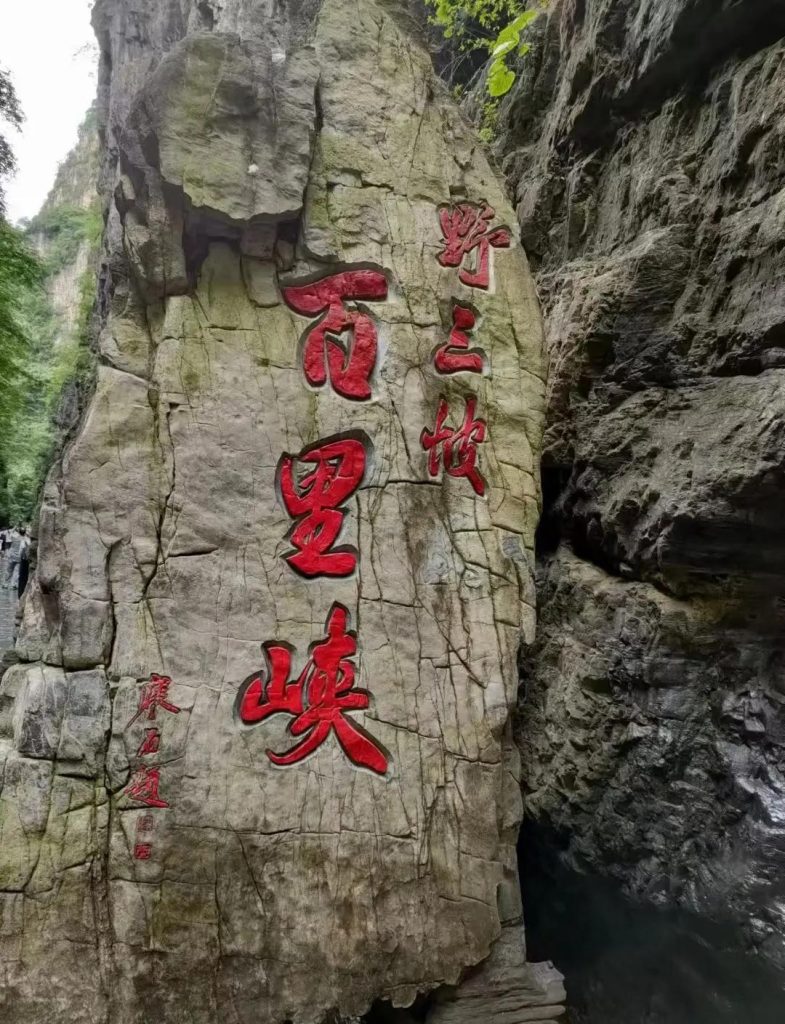
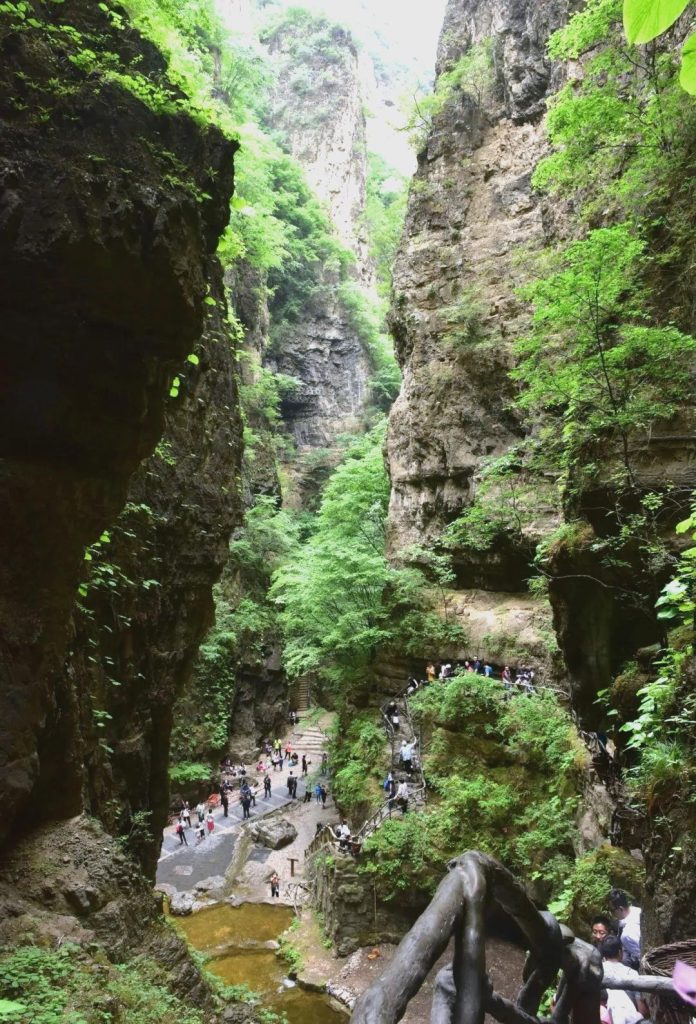
Baili Gorge is the crown jewel of Yesanpo, a 50-kilometer (31-mile) canyon with steep cliffs, waterfalls, and winding trails. The most iconic sight is the “Sky Ladder”—a 200-step stone staircase carved into the cliffside, offering panoramic views of the canyon below. Along the way, you’ll pass natural wonders like the “One-Line Sky” (where the canyon narrows to just 1 meter wide) and the “Flying Waterfall” (a 30-meter waterfall that sprays cool mist in summer). You can hike the canyon (3–4 hours) or take a cable car (one-way 80 CNY, round-trip 150 CNY) for a bird’s-eye view. Don’t forget to bring a hat and water—shade is limited in some sections.
2. Juma River Rafting – Fun for the Whole Family
The Juma River winds through Yesanpo, and rafting here is a must-do activity, especially in summer. The rapids are gentle enough for children (ages 6+) but still exciting, with clear water that splashes coolly on hot days. Rafts hold 4–6 people, and the 10-kilometer route takes about 1.5 hours. Along the way, you’ll pass lush forests and local villages, and you can even stop to swim in calm sections of the river. Rafting tickets cost 150 CNY per person, and life jackets are provided. Book in advance during weekends in summer—lines can be long.
3. Diaowo Village – Step Back in Time
Diaowo Village is an ancient stone village that’s over 500 years old. Perched on a hillside, it’s known for its unique “diaowo” (earthen cave houses) and well-preserved folk culture. Walk through the narrow stone lanes, visit the village museum to learn about local history, and watch artisans make traditional handicrafts like woven baskets and clay pots. The village is also famous for its “stone houses with courtyards”—many of which have been converted into cozy guesthouses where you can stay overnight. Don’t miss the village square, where locals often perform traditional folk dances in the evening.
4. Tianshengqiao Scenic Area – Natural Bridges and Waterfalls
Tianshengqiao (which means “Natural Bridge”) is named after a 10-meter-wide natural rock arch that spans a valley. The area is known for its seven waterfalls, the most impressive being the “Silver Curtain Waterfall”—a 60-meter waterfall that looks like a silver curtain hanging from the cliff. Hiking trails here are easier than Baili Gorge, making it a good choice for families or those who prefer a leisurely walk. You can also take a boat ride on the lake at the foot of the waterfall for a different perspective. Admission is 90 CNY per person.
5. Yesanpo Hot Springs – Relax After a Day of Hiking
After exploring the mountains, unwind at one of Yesanpo’s hot spring resorts. The hot springs here are rich in minerals like sulfur and calcium, which are said to be good for the skin and joints. The most popular resort is the Yesanpo Hot Spring Hotel, which has indoor and outdoor pools with different temperatures. Some guesthouses also have private hot spring tubs in the rooms. A hot spring ticket costs around 120 CNY per person, and it’s the perfect way to relax in winter or after a long day of hiking.
Practical Tips for Your Trip
Accommodation
Yesanpo has a wide range of accommodation options, from luxury resorts to budget guesthouses:
- Luxury: Yesanpo State Guesthouse – Set by the Juma River, with spacious rooms, a spa, and outdoor dining. Prices start at 800 CNY per night.
- Mid-Range: Diaowo Village Guesthouses – Cozy stone houses with modern amenities, home-cooked meals, and village views. Prices start at 300 CNY per night.
- Budget: Camping – Many areas along the Juma River offer camping sites (50 CNY per tent) with access to toilets and showers. It’s a great option for adventure seekers in summer.
Food to Try
Yesanpo’s cuisine is simple but flavorful, focusing on fresh local ingredients. Don’t miss these dishes:
- Braised Juma River Fish: Fresh fish caught from the Juma River, braised with ginger and garlic. Tender and savory—try it at local restaurants by the river.
- Wild Vegetable Pancakes: Pancakes made with wild vegetables like dandelion and spinach, served with soy sauce. A healthy and tasty snack.
- Chestnut Porridge: Creamy porridge made with local chestnuts—warm and comforting, perfect for cold mornings.
- Persimmon Cake: A sweet dessert made with dried persimmons, a local specialty in autumn.
Entry Tickets & Transportation Within Yesanpo
Most scenic areas in Yesanpo have separate tickets:
- Baili Gorge: 150 CNY (peak season), 120 CNY (off-season)
- Tianshengqiao: 90 CNY (peak), 70 CNY (off-season)
- Diaowo Village: 50 CNY (year-round)
- Rafting: 150 CNY per person
You can buy combined tickets online via the official Yesanpo Scenic Area website (English version available) or at the ticket offices. Within Yesanpo, the scenic areas are spread out—you can take local buses (10–20 CNY per ride) or rent an electric scooter (50 CNY per day) to get around. Taxis are also available, but be sure to agree on the fare before getting in.
What to Pack
- Comfortable hiking shoes (essential for trails in Baili Gorge)
- Sunscreen, hat, and sunglasses (summer)
- Warm jacket, scarf, and gloves (winter)
- Swimsuit (for rafting and hot springs)
- Camera (to capture the stunning landscapes)
- Portable charger (for your phone—trails have limited power outlets)
Sample Itineraries
1-Day Trip (From Beijing)
8:00 AM: Depart Beijing by private car/taxi 10:30 AM: Arrive at Baili Gorge, start hiking 12:30 PM: Lunch at a local restaurant near the canyon 2:00 PM: Continue hiking or take the cable car 4:00 PM: Head to Juma River for a short rafting session 6:00 PM: Depart Yesanpo, return to Beijing
2-Day Trip
Day 1: 9:00 AM: Depart Beijing by bus 12:00 PM: Arrive at Yesanpo, check into accommodation 1:00 PM: Lunch at a local restaurant 2:30 PM: Explore Tianshengqiao Scenic Area 6:00 PM: Dinner with Juma River fish 7:30 PM: Relax at the hot springs or watch folk dances in Diaowo Village
Day 2: 8:00 AM: Breakfast at the guesthouse 9:00 AM: Hike Baili Gorge 12:00 PM: Lunch at a canyon restaurant 2:00 PM: Rafting on the Juma River 4:00 PM: Visit Diaowo Village to buy souvenirs 5:30 PM: Depart Yesanpo, return to Beijing
Final Thoughts
Yesanpo is a place where nature and culture collide, offering a refreshing break from China’s busy cities. Whether you’re hiking through its grand canyons, rafting on its clear rivers, or relaxing in its ancient villages, you’ll leave with memories that last a lifetime. What makes it truly special is its authenticity—no over-the-top attractions, no crowds of tourists, just pure natural beauty and warm local hospitality. So pack your bags, leave the city behind, and discover the magic of Yesanpo for yourself.