
Pigeon Nest Park Beidaihe Guide: Sunrise, Birdwatching and Qinhuangdao Coast Tips
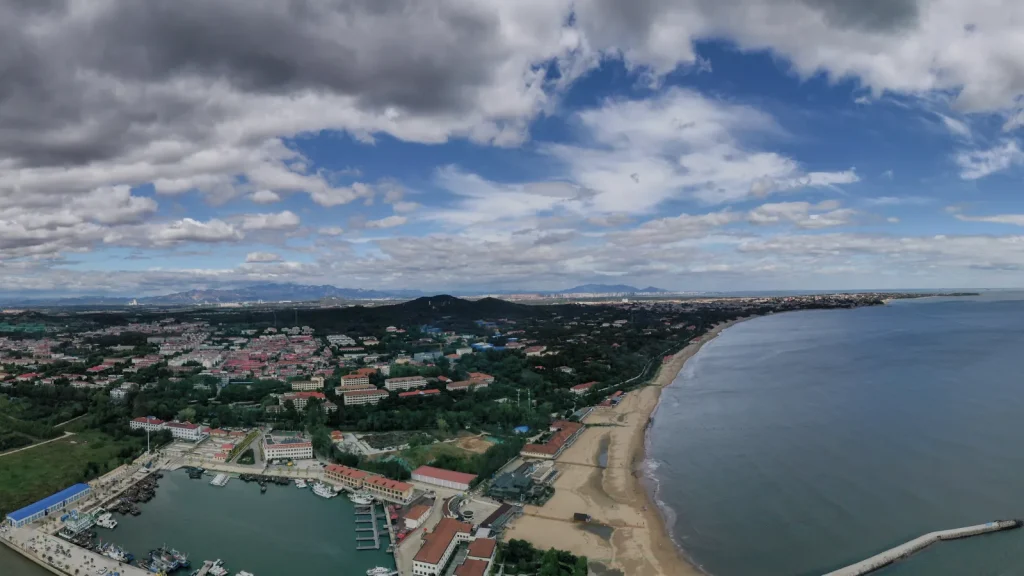
Pigeon Nest Park, often searched as Geziwo Park, is one of the most useful short stops in Beidaihe for travelers who care about sunrise, sea views, and birdwatching rather than only beach time. It sits on the Qinhuangdao coast and works well as a focused half-day plan, especially if you are already staying in Beidaihe or building a coastal route toward Shanhaiguan.
The park is not a substitute for the whole Beidaihe beach experience. It is better understood as a lookout and nature stop: arrive early for light, use the coast and wetland setting slowly, then connect it with a beach walk, seafood meal, or a wider Qinhuangdao route. For the broader area, start with the Beidaihe beach guide from Beijing and the Beijing to Qinhuangdao and Beidaihe train guide.
Why Pigeon Nest Park Is Worth a Separate Stop
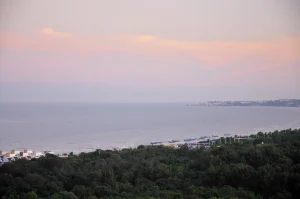
Many Beidaihe visitors only think about beaches and hotels, but Pigeon Nest Park has a different role. It is one of the classic places to watch the sun rise over the Bohai Sea, and it also sits within the wider Beidaihe birdwatching landscape. That combination makes it more interesting than a generic seaside promenade.
For foreign travelers, the strongest reason to go is clarity. You can understand the site quickly: sea horizon, morning light, coastal rocks, wetland edges, and seasonal birds. It does not require a full day, but it does reward better timing than an unplanned midday visit.

Best Time: Sunrise, Spring Birds and Autumn Birds
If sunrise is the priority, check the local sunrise time the night before and arrive early enough to walk in, find a viewpoint, and wait without rushing. Summer sunrise is early, so staying in Beidaihe is much easier than trying to come from Qinhuangdao city center at the last minute.
Birdwatching is seasonal. Beidaihe has long been known among birders because it sits on a migration route along the Bohai coast. Spring and autumn are usually more meaningful than midsummer for bird interest, while summer is stronger for family beach holidays. If birds are your main reason to visit, bring binoculars and keep expectations flexible because weather and timing matter.
- Best for sunrise: Clear mornings, with arrival before the sun reaches the horizon.
- Best for birdwatching: Spring and autumn migration periods.
- Best for beach-style travel: Summer, paired with other Beidaihe stops.
- Avoid: Treating it as a random midday stop if the goal is atmosphere or birds.
How to Add It to a Beidaihe Day
The simplest plan is to sleep in Beidaihe, visit Pigeon Nest Park at sunrise, return for breakfast, then use the rest of the day for beach time or a coast route. If you are coming by train, choose your hotel carefully so the early start is realistic. The Qinhuangdao hotel-area guide can help you decide whether Beidaihe, Shanhaiguan, or the city center fits your route.
Suggested Half-Day Route
A half-day is enough if you keep the route tight. Start with Pigeon Nest Park at sunrise, then continue with breakfast and a beach walk. If you want a fuller coastal day, connect the morning with Laohushi Marine Park, a seafood meal, or the wider Qinhuangdao travel guide. If your day continues east, use the Beidaihe to Shanhaiguan itinerary to avoid overloading the route.
- Early morning: Pigeon Nest Park for sunrise, coastal views, and birdwatching if conditions are good.
- Breakfast: Return to Beidaihe town or your hotel area.
- Late morning: Beach walk, coffee break, or another nearby coastal viewpoint.
- Afternoon option: Continue toward Shanhaiguan only if transport and energy allow it.
Transport and Practical Notes
Beidaihe Railway Station is useful for visitors coming from Beijing or Tianjin, but the park itself still requires a local transfer. Taxis or ride-hailing are the most practical choice for many foreign visitors, especially before sunrise. If you are using public buses, check current routes locally because early-morning service may not match sunrise timing.
Bring a light jacket outside midsummer, because sea wind can make early morning cooler than expected. For birdwatching, bring binoculars instead of relying only on a phone camera. For photography, avoid overpacking: a stable phone or light camera is enough for most travelers, and the best improvement is arriving early.
Who Should Choose Pigeon Nest Park?
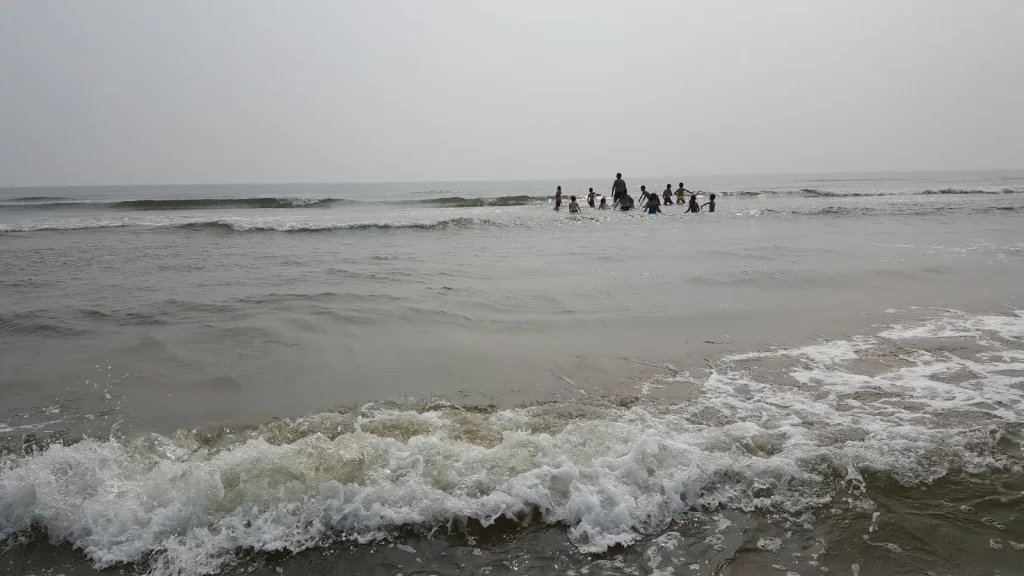
Choose Pigeon Nest Park if you want sunrise, coastal views, seasonal birdwatching, and a slower morning in Beidaihe. Choose Laolongtou and Shanhaiguan if your priority is Great Wall history by the sea. Choose a beach hotel area if your main goal is swimming, seafood, and family relaxation.
The best version of this visit is simple: sleep nearby, wake early, give the weather a chance, then build the rest of the day around the Qinhuangdao coast. That is how Pigeon Nest Park becomes more than just another stop on a Beidaihe checklist.
Reference Checks Before You Go
Opening arrangements, ticketing and local transport can change, so confirm details close to your travel date. For background, see the Visit Beijing feature on Pigeon Nest Park, China Daily’s coverage of birdwatching in Beidaihe, and the Wikimedia Commons Beidaihe image category.

Nandaihe vs Beidaihe: Which Qinhuangdao Beach Base Fits Your Trip?
Compare Nandaihe and Beidaihe for a Qinhuangdao coast trip, with practical advice on beach atmosphere, overnight base, transport…
Beidaihe to Shanhaiguan Itinerary: Qinhuangdao Coast and Great Wall
Use this Beidaihe to Shanhaiguan itinerary to combine Qinhuangdao beach time, seafood, Laolongtou, First Pass, old town history,…

Beijing to Qinhuangdao and Beidaihe Train Guide: Beach, Great Wall and Coast Routes
Plan Beijing to Qinhuangdao or Beidaihe by train with station choices, beach access, Shanhaiguan routes, ticket checks, and…
Beidaihe Beach Guide from Beijing: Beaches, Hotels, Seafood and Train Tips
Plan a Beidaihe beach trip from Beijing with beach areas, train timing, where to stay, seafood tips, seasons,…
Qinhuangdao Travel Guide: Beidaihe Beaches, Laolongtou and Seafood
Plan Qinhuangdao by zone: Beidaihe beaches, Shanhaiguan and Laolongtou Great Wall history, seafood meals, train stations, hotels, and…
Where to Stay in Qinhuangdao: Beidaihe, Shanhaiguan or City Center?
Choose where to stay in Qinhuangdao by travel style, including Beidaihe beaches, Shanhaiguan Great Wall history, city-center rail…